
Natural Sleep Support Review
What Really Supports Healthy Sleep?

Choosing a Sleep Support Formula or Routine
Healthy sleep depends on a network of interconnected biological systems, including stress regulation, brain energy, metabolism, circadian rhythm, memory consolidation, immune function, and emotional balance. When sleep is disrupted, these systems may become less efficient, affecting daytime energy, cognitive performance, and overall well-being. Because sleep is influenced by many factors, no supplement alone can address every underlying cause of poor rest. Before choosing a sleep support formula or bedtime routine, look for transparent ingredients, evidence-informed formulations, quality manufacturing, and realistic claims. Equally important are healthy lifestyle habits, such as maintaining a consistent sleep schedule, exercising regularly, eating a balanced diet, managing stress, and limiting evening screen exposure.
Natural Sleep Support: Understanding the Science Behind Better Rest
Why More People Are Looking Beyond Prescription Solutions
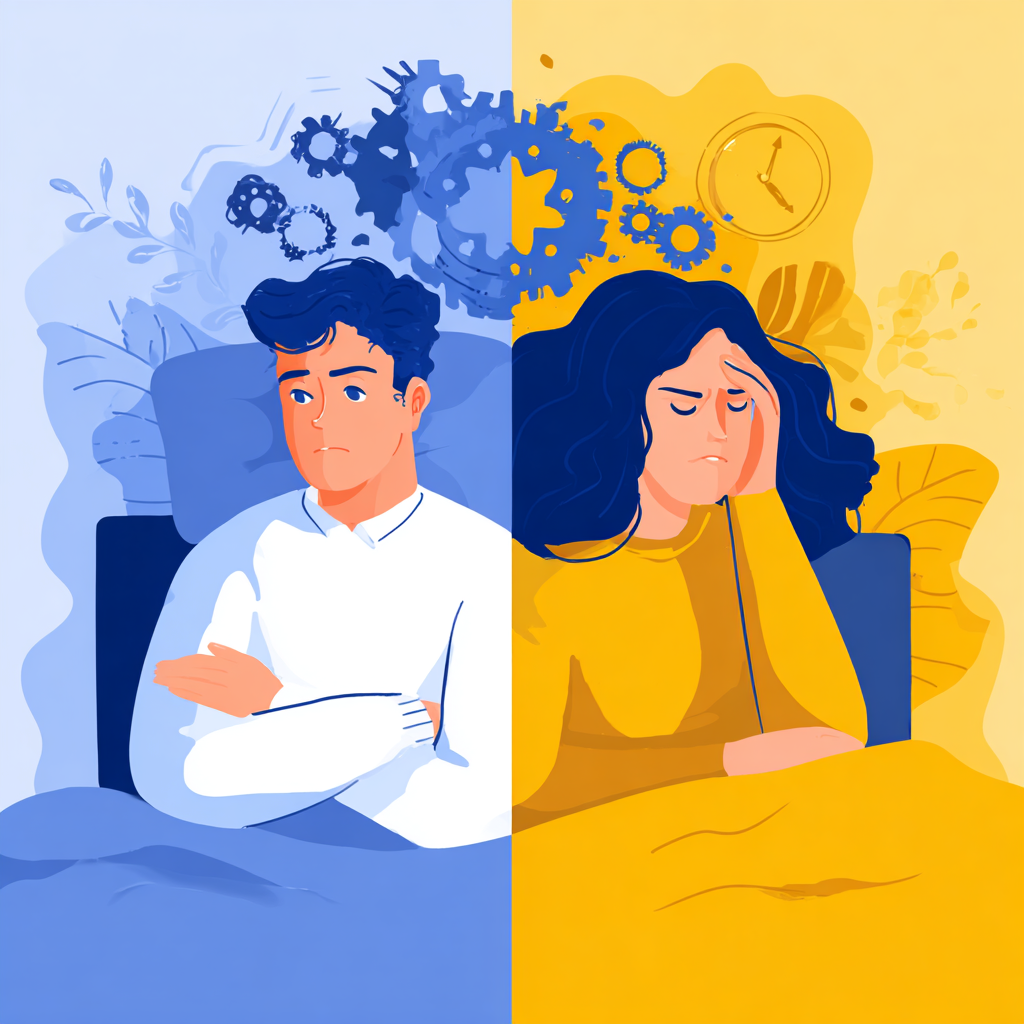
Natural sleep support products have become increasingly popular as more people search for non-prescription approaches to relaxation and sleep quality. Rather than seeking instant sedation, many individuals are looking for gentle ways to help the body transition into its natural sleep cycle while supporting long-term wellness habits. Modern life presents numerous challenges to healthy sleep. Stress, excessive screen time, irregular schedules, late-night eating, and constant digital stimulation can all interfere with the body’s internal clock. As a result, millions of people experience difficulty falling asleep, staying asleep, or waking feeling refreshed.
Natural sleep support products often combine ingredients such as herbal extracts, amino acids, minerals, or calming nutrients that are traditionally associated with relaxation. While scientific evidence varies between formulations, many users appreciate these products as part of a broader bedtime routine rather than as standalone solutions. The most effective approach to better sleep usually extends beyond supplements alone. Consistent sleep schedules, limiting evening light exposure, maintaining a comfortable sleep environment, engaging in stress-management practices, and avoiding excessive caffeine or alcohol all contribute to healthier sleep patterns.
What Many Sleep Support Products Aim to Do
Different sleep-support formulations may focus on different mechanisms, including:
- Supporting relaxation
- Promoting calmness
- Supporting melatonin pathways
- Encouraging healthy sleep cycles
- Supporting nervous system balance
- Reducing nighttime overstimulation
Some products focus on short-term relaxation, while others emphasize broader sleep and recovery support.
Why Natural Sleep Matters?
What Many Sleep Support Products Aim to Do
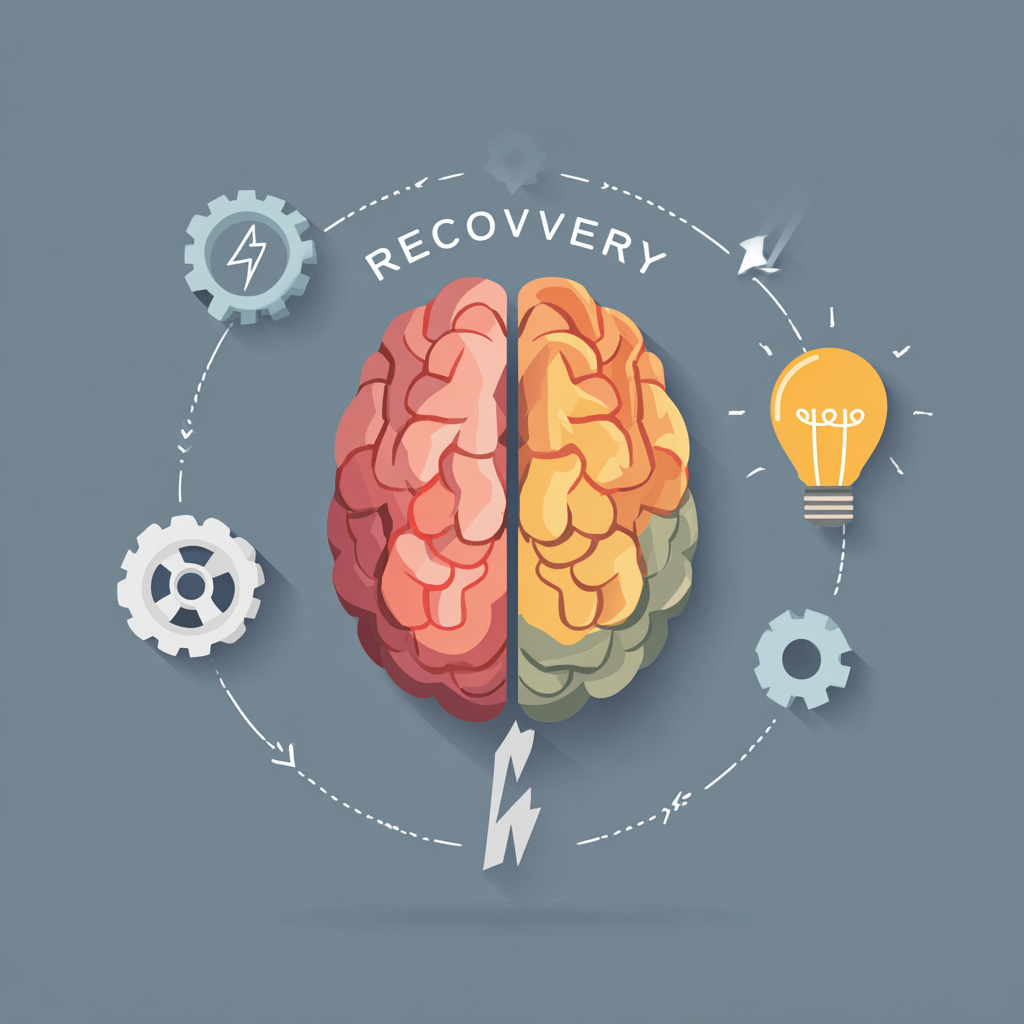
Natural sleep support products are designed to complement the body’s existing sleep processes rather than force sleep through heavy sedation. Different formulations may emphasize different biological pathways, but most share the goal of promoting a calmer mental and physical state that is more conducive to restorative rest.
Many products include ingredients intended to support relaxation, helping individuals transition away from the heightened alertness that often accompanies busy modern lifestyles. Others focus on promoting calmness, encouraging a sense of emotional ease that may make it easier to unwind before bedtime. Some formulations are designed to support melatonin pathways, working alongside the body’s natural circadian rhythm to reinforce healthy sleep–wake timing. Others emphasize encouraging healthy sleep cycles, recognizing that sleep quality depends not only on falling asleep but also on maintaining normal patterns throughout the night. Many sleep-support products also aim to support nervous system balance, helping the body shift from a state of constant stimulation toward one associated with rest and recovery. By reducing the effects of everyday stress and sensory overload, these approaches may contribute to a more peaceful bedtime experience.
What to Look for in a Sleep Support Formula?

Common Sleep Support Ingredients
Sleep support formulas often combine ingredients that have been studied for their potential roles in relaxation, stress management, and healthy sleep. Common examples include magnesium, which supports normal nerve and muscle function; melatonin, a hormone involved in regulating the sleep–wake cycle; L-theanine, an amino acid associated with calmness; and herbal ingredients such as chamomile, valerian root, lemon balm, and ashwagandha, which have traditionally been used to promote relaxation. Not every ingredient works the same way, and individual responses may vary. Before choosing a product, review the ingredient list, dosage transparency, manufacturing quality, and available scientific evidence. Sleep supplements are generally intended to complement—not replace—healthy sleep habits and a consistent bedtime routine.
It is also worth remembering that more ingredients do not necessarily mean a better formula. A well-designed sleep support product should provide clearly labeled dosages, use evidence-informed ingredients, and avoid exaggerated marketing claims. Choosing products from reputable manufacturers that follow quality testing standards can help consumers make more informed decisions. When combined with healthy lifestyle habits, a thoughtfully formulated supplement may become one component of a broader strategy for supporting relaxation, restorative sleep.
What to Look For
Before choosing a sleep-support product, many consumers consider:
✔ Ingredient transparency
✔ Evidence-based formulation
✔ Third-party testing
✔ Reasonable dosage levels
✔ Company reputation
✔ Clear labeling
✔ Realistic health claims
Avoid products that promise:
- “Instant cures”
- Guaranteed results
- Unrealistic medical claims
Why Sleep Habits Matter More Than Supplements?
Lifestyle Still Matters
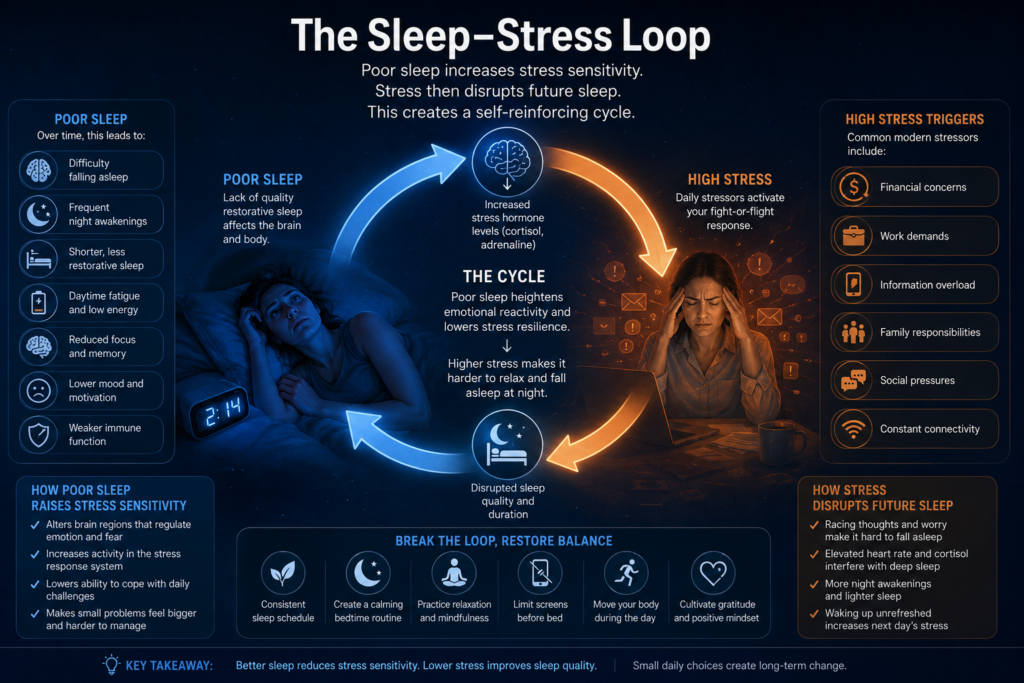
Even the highest-quality sleep support supplement cannot replace the foundations of healthy sleep. Daily habits strongly influence how well your body relaxes, falls asleep, and stays asleep throughout the night. Factors such as consistent bedtimes, limiting caffeine late in the day, reducing evening screen exposure, managing stress, and creating a cool, quiet sleep environment all play important roles. Regular physical activity and balanced nutrition also support healthy circadian rhythms and overall nervous system function. While sleep-support formulas may complement these habits, they are unlikely to overcome the effects of chronic stress, irregular schedules, excessive alcohol use, or persistent sleep deprivation. A comprehensive approach that combines evidence-informed lifestyle practices with appropriate nutritional support is more likely to promote restful sleep, better daytime energy, and long-term sleep wellness than relying on supplements alone.
You Can’t Supplement Your Way Out of Poor Sleep Habits

Lifestyle Still Matters
Even the highest-quality sleep-support products cannot fully compensate for habits that consistently disrupt the body’s natural sleep rhythms. Sleep is a complex biological process influenced by the interaction of the brain, nervous system, hormones, metabolism, and daily behaviors. Supplements may provide support, but lasting improvement is built on a healthy lifestyle foundation.
Chronic stress keeps the body in a heightened state of alertness, increasing stress hormones that make it difficult to relax at bedtime. Incorporating mindfulness, gentle stretching, breathing exercises, or quiet reading can help signal that it is time to rest.
Excessive nighttime screen exposure is another common challenge. Bright light and constant digital stimulation may interfere with the body’s natural circadian signals, making it harder to feel sleepy.
Poor sleep schedules also disrupt internal biological clocks. Going to bed and waking up at consistent times—even on weekends—helps reinforce healthy sleep–wake cycles and improves overall sleep quality over time. High caffeine intake, especially later in the day, may prolong alertness and reduce the ability to fall asleep.
Understanding sleep science is the first step toward making informed wellness decisions. Whether you’re comparing sleep-support formulas, exploring how sleep affects recovery and hormone balance, or learning the biology of healthy sleep, the educational resources below provide evidence-based information to help you navigate your options with greater confidence.
👉 View evidence-based sleep support options and compare ingredients, approaches, and product styles below.
Medical Disclaimer
This content is for educational purposes only and is not intended to diagnose, treat, cure, or prevent any disease. Always consult a qualified healthcare professional regarding sleep-related concerns.