
The Hearing Support Guide
Natural Hearing Wellness
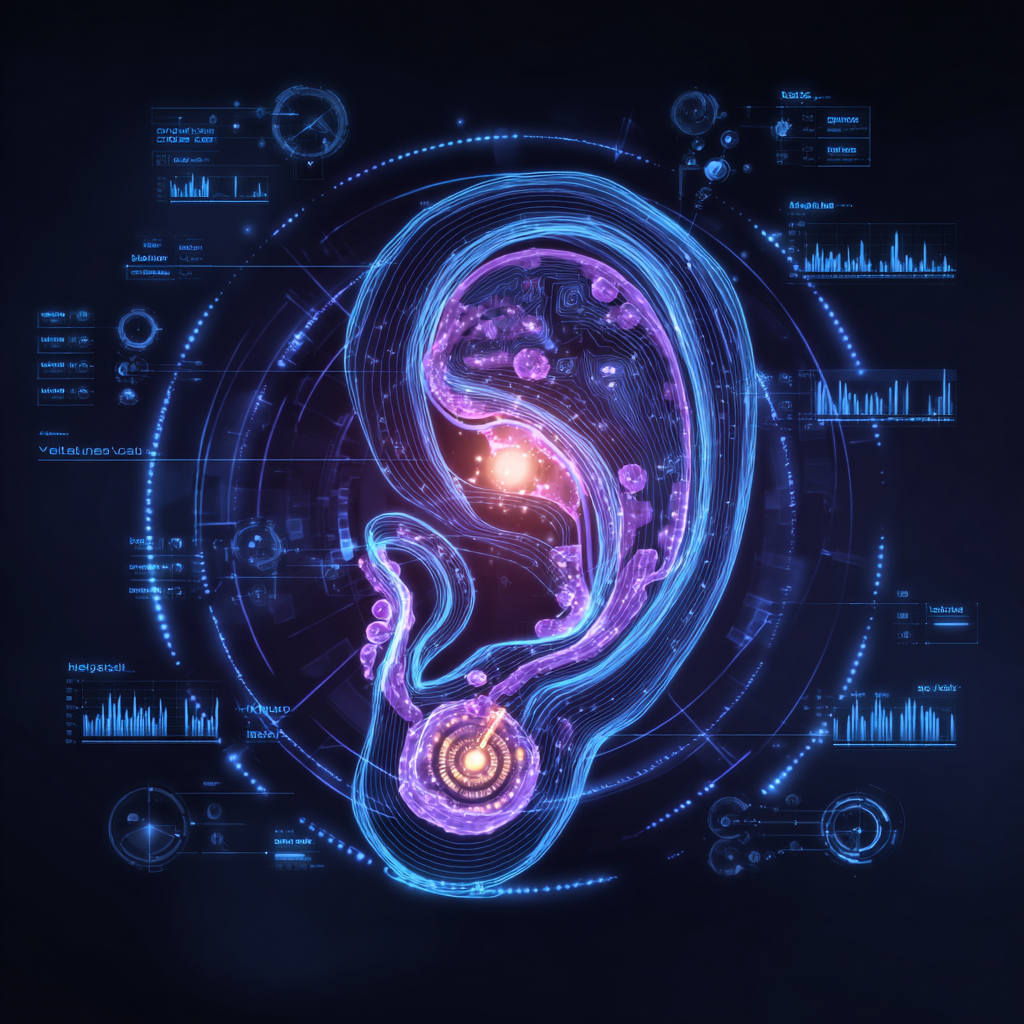
Hearing depends on far more than the ears alone. It is a dynamic process involving the inner ear, auditory nerves, brain, circulation, cellular energy production, and the nervous system working together to interpret sound and maintain balance. Every conversation, piece of music, and environmental cue relies on this intricate network functioning smoothly. Modern lifestyles, however, often expose people to chronic noise, prolonged headphone use, poor sleep, stress, inflammation, and metabolic challenges that may gradually influence auditory wellness over time.
While age-related changes are a natural part of life, healthy daily habits can help support the biological systems that contribute to long-term hearing function. This educational guide explores the science of hearing from a systems-based perspective, highlighting the roles of circulation, brain health, nutrition, stress management, and lifestyle choices. Rather than focusing on a single solution, it encourages a comprehensive approach that supports overall wellness while promoting healthy auditory function and lifelong communication.
Understanding Hearing Health, Auditory Aging, and
Why Hearing Health Matters
Healthy hearing influences:
- Communication
- Cognitive performance
- Social interaction
- Emotional well-being
- Environmental awareness
- Quality of life
Research suggests that hearing changes may develop gradually across decades, often beginning long before noticeable symptoms appear.


Common Factors Associated With Hearing Changes
Several biological and environmental factors may contribute to age-related auditory decline:
Aging and Cellular Stress
As the body ages, delicate structures inside the inner ear may become more vulnerable to oxidative stress and reduced cellular repair capacity.
Noise Exposure
Chronic exposure to loud environments, headphones, traffic, machinery, and entertainment systems may place stress on auditory pathways.
Circulatory Support
The inner ear relies on microcirculation and oxygen delivery. Reduced vascular efficiency may influence auditory resilience.
Inflammation and Oxidative Stress
Researchers continue studying how chronic inflammation and free radical activity may affect auditory tissues and neural signaling.
Nervous System and Brain Processing
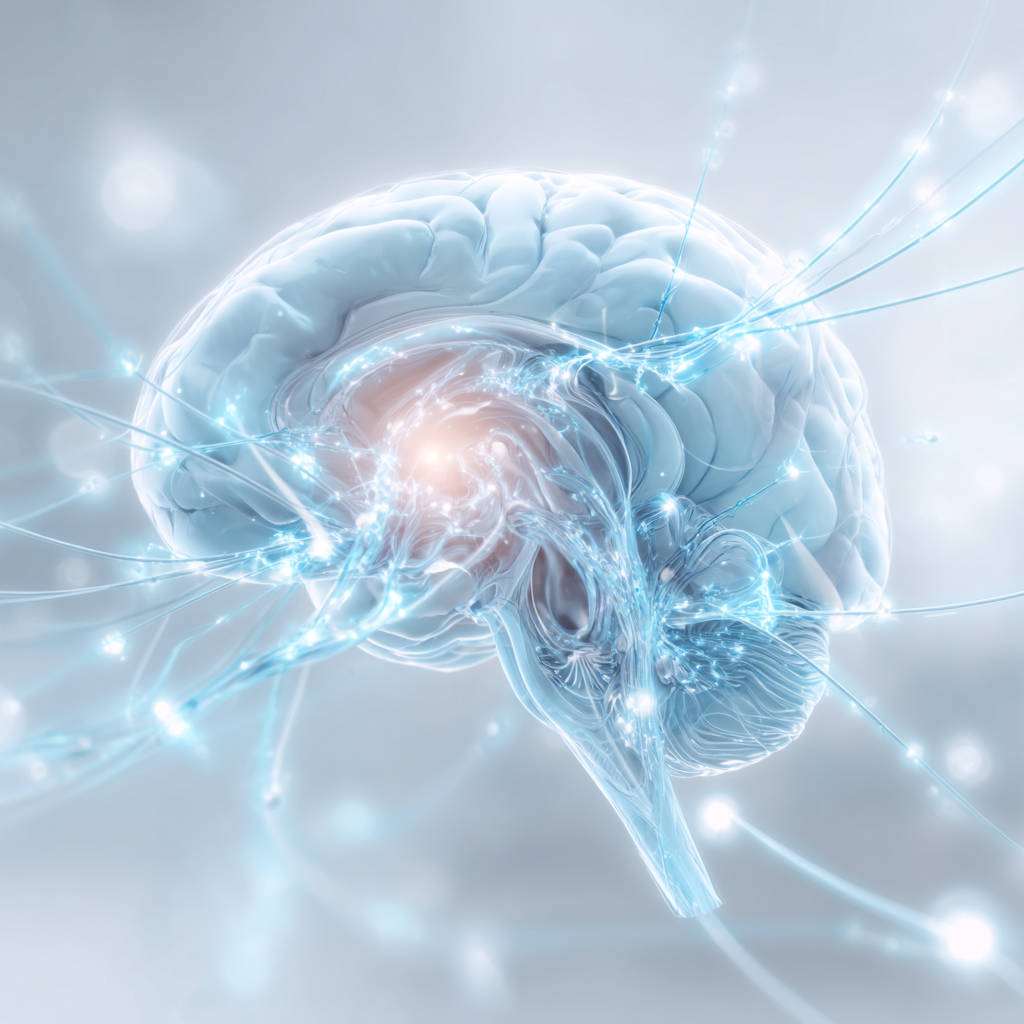
Hearing is not only about the ears. The brain plays a central role in sound interpretation, auditory memory, and sensory integration.
The Brain–Ear Connection
Modern hearing science increasingly recognizes the close relationship between auditory processing and cognitive function.
The auditory system involves:
- Hair cells in the cochlea
- Auditory nerves
- Brainstem pathways
- Cortical sound processing centers
This systems-based perspective helps explain why hearing wellness may involve more than a single isolated structure.
Lifestyle Habits That May Support Hearing Wellness
Although no supplement or routine can guarantee hearing outcomes, many wellness strategies aim to support overall auditory health:
- Managing chronic noise exposure
- Supporting circulation
- Prioritizing sleep recovery
- Reducing chronic stress
- Maintaining metabolic health
- Supporting antioxidant defenses
- Following nutrient-dense dietary patterns

Understanding Hearing Support Supplements
Many hearing wellness supplements contain ingredients associated with:
- Antioxidant support
- Circulatory support
- Mitochondrial function
- Nervous system support
- Cellular resilience
Consumers should approach hearing supplements as supportive wellness tools rather than medical treatments or cures.

Final Thoughts
Hearing health is deeply connected to aging, circulation, brain function, oxidative balance, and long-term lifestyle patterns. A systems-based approach may help individuals better understand the broader biological factors involved in auditory wellness.
Continue Exploring Hearing Wellness
Understand the science behind circulation support, oxidative balance, mitochondrial function, and auditory wellness.