Understanding Cartilage, Inflammation, Circulation, and Mobility Biology
Joint Health Is More Than Bones and Cartilage
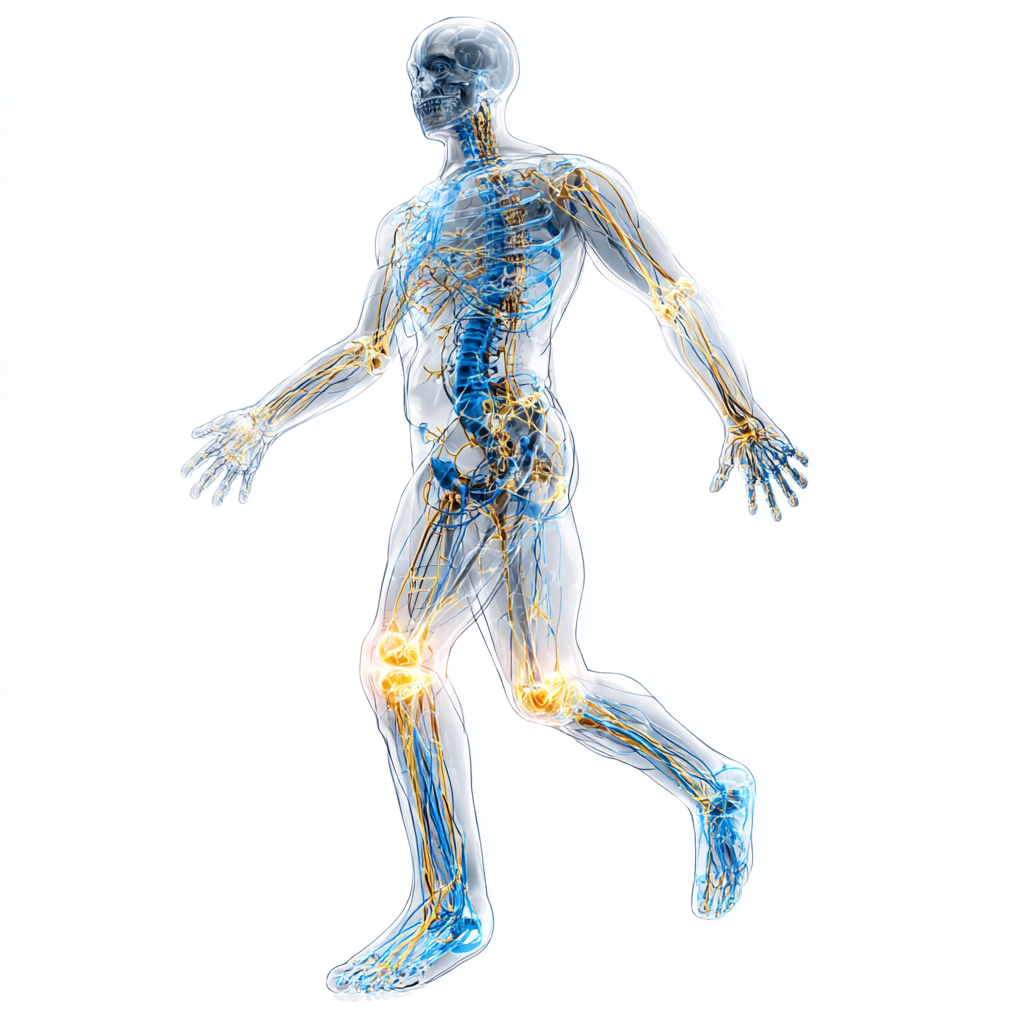
Healthy joints are supported by far more than bones and cartilage alone. Every step, stretch, and lift depends on the coordinated function of muscles, tendons, ligaments, connective tissue, nerves, blood vessels, and the body’s natural repair systems. When these biological networks work together efficiently, movement feels smoother, stronger, and more comfortable.
Modern research increasingly views joint wellness through a systems-based perspective. Regular physical activity helps nourish joint tissues, healthy circulation delivers oxygen and nutrients, and balanced inflammation supports normal recovery after daily use. Quality sleep, stress management, adequate hydration, and nutrient-dense eating patterns also contribute to the body’s ability to maintain resilient connective tissues over time.
Rather than focusing on a single structure or quick solution, long-term mobility is built through consistent healthy habits that support the entire movement system.
Cartilage and Connective Tissue
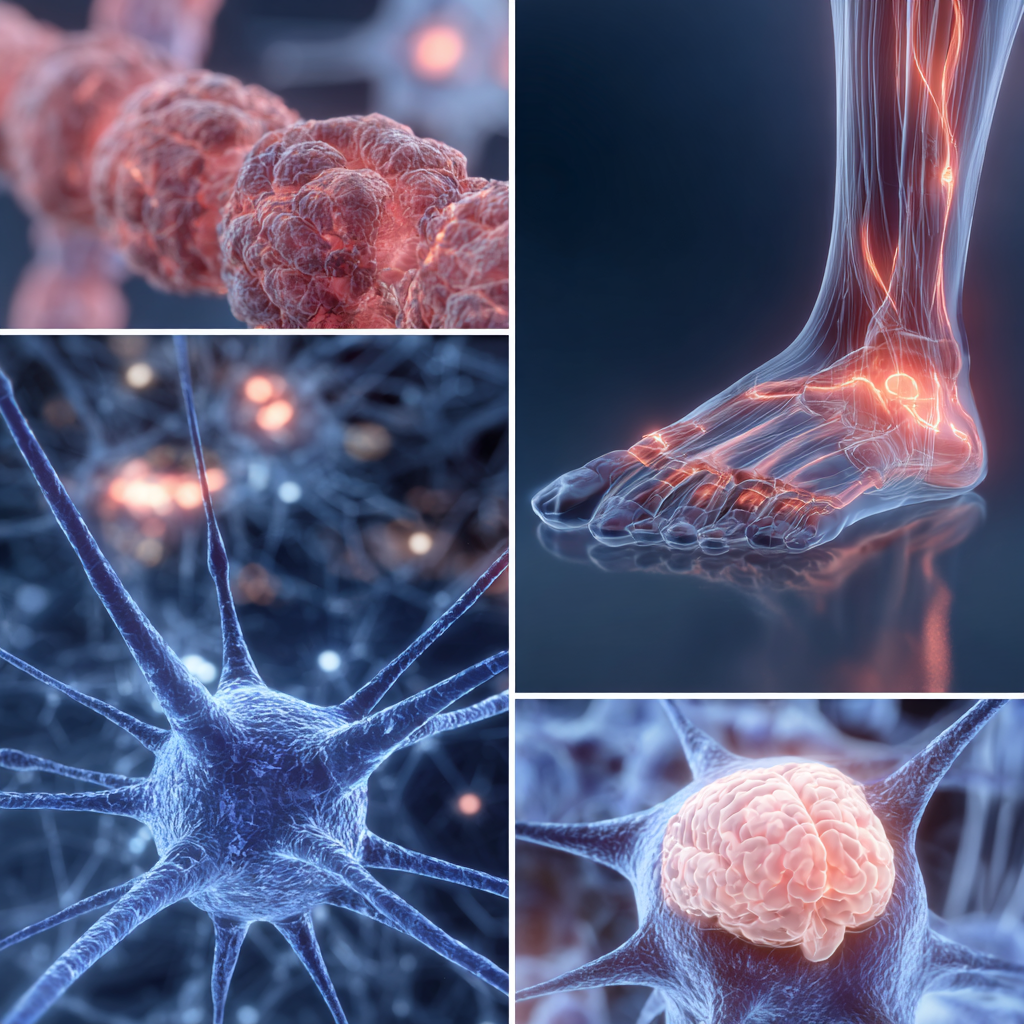
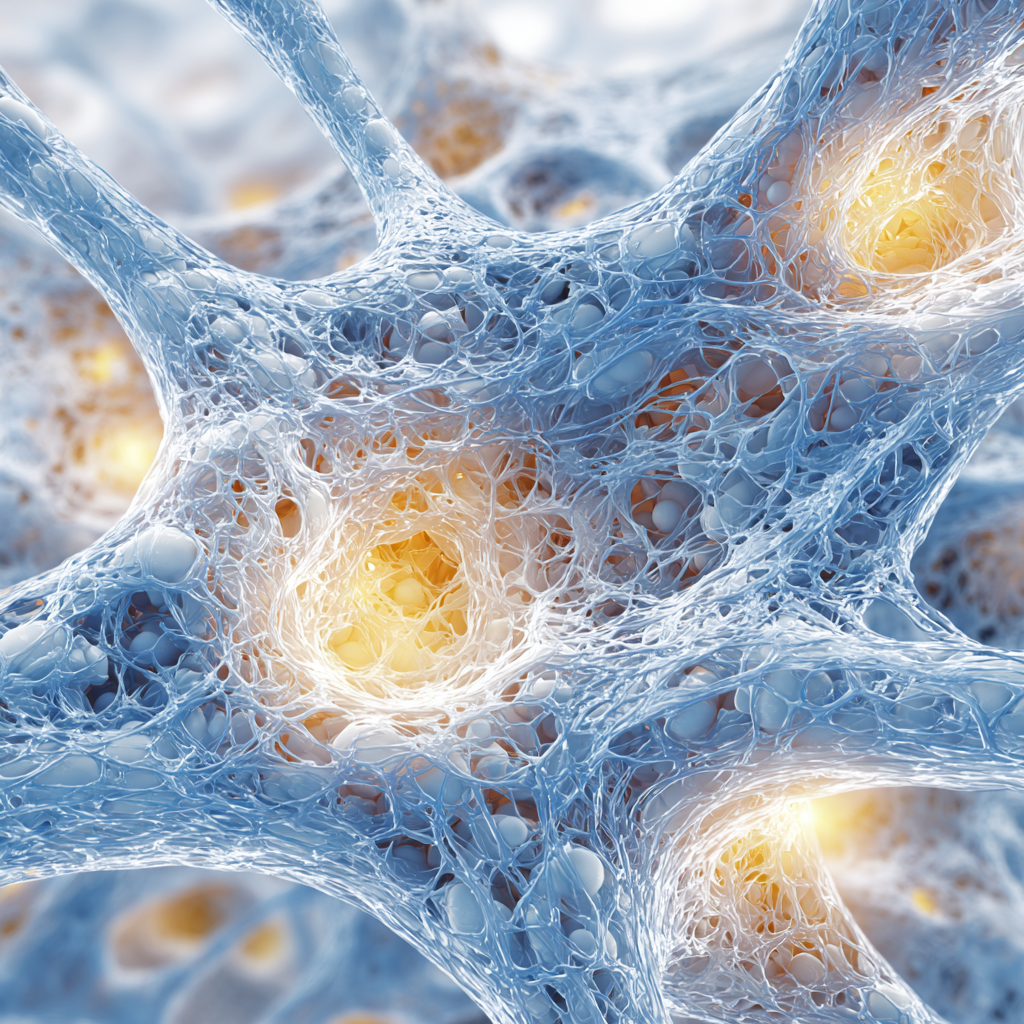
Cartilage functions as a cushioning surface between bones.
Healthy cartilage depends on:
- Collagen integrity
- Hydration
- Synovial fluid circulation
- Nutrient delivery
- Mechanical balance
Because cartilage has limited blood supply, movement itself helps support nutrient exchange inside joints.
Inflammation and Recovery
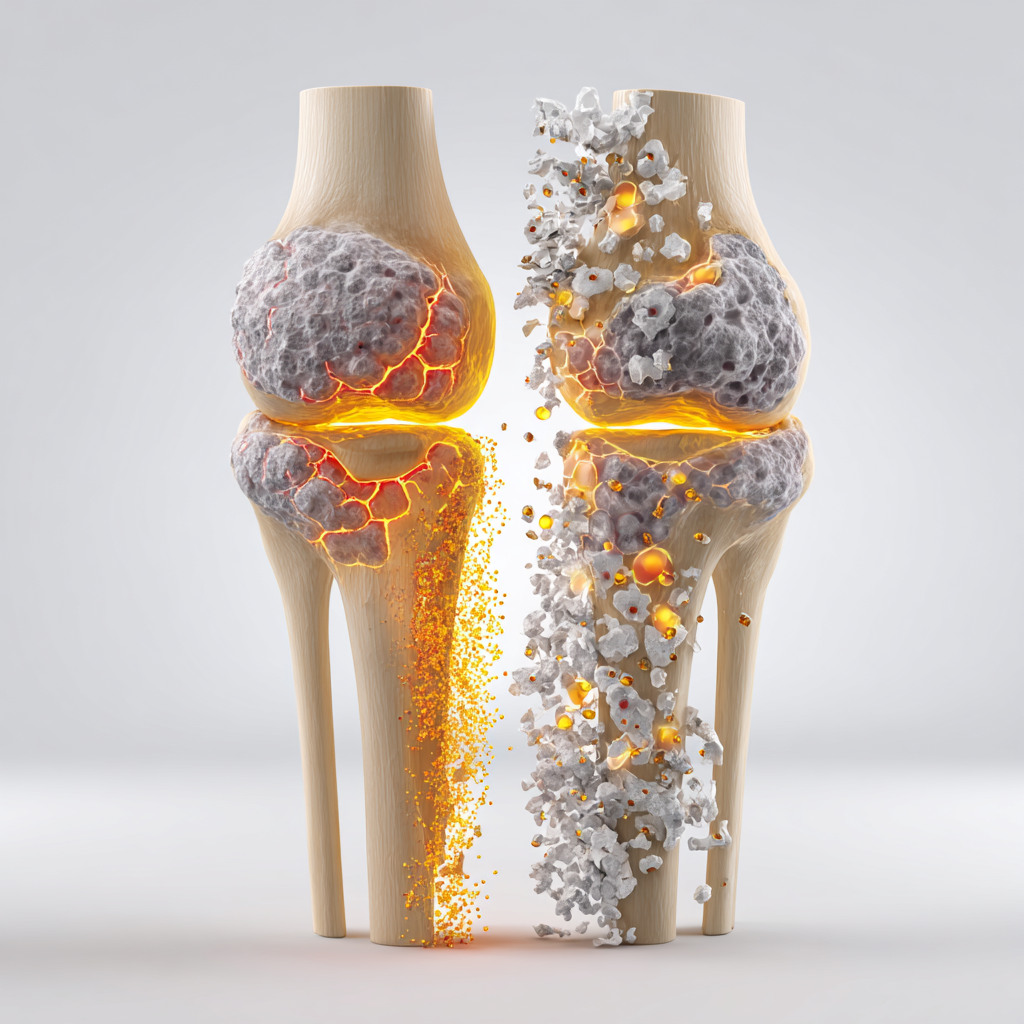
Inflammation is a natural part of tissue repair.
However, chronic low-grade inflammation may influence:
- Connective tissue stress
- Recovery capacity
- Joint stiffness
- Mobility decline
Lifestyle factors affecting inflammation may include:
- Poor sleep
- Sedentary behavior
- Stress
- Metabolic dysfunction
- Nutritional imbalance
Circulation and Joint Nourishment
Healthy circulation supports:
- Oxygen delivery
- Nutrient transport
- Tissue repair
- Synovial fluid movement
- Cellular recovery
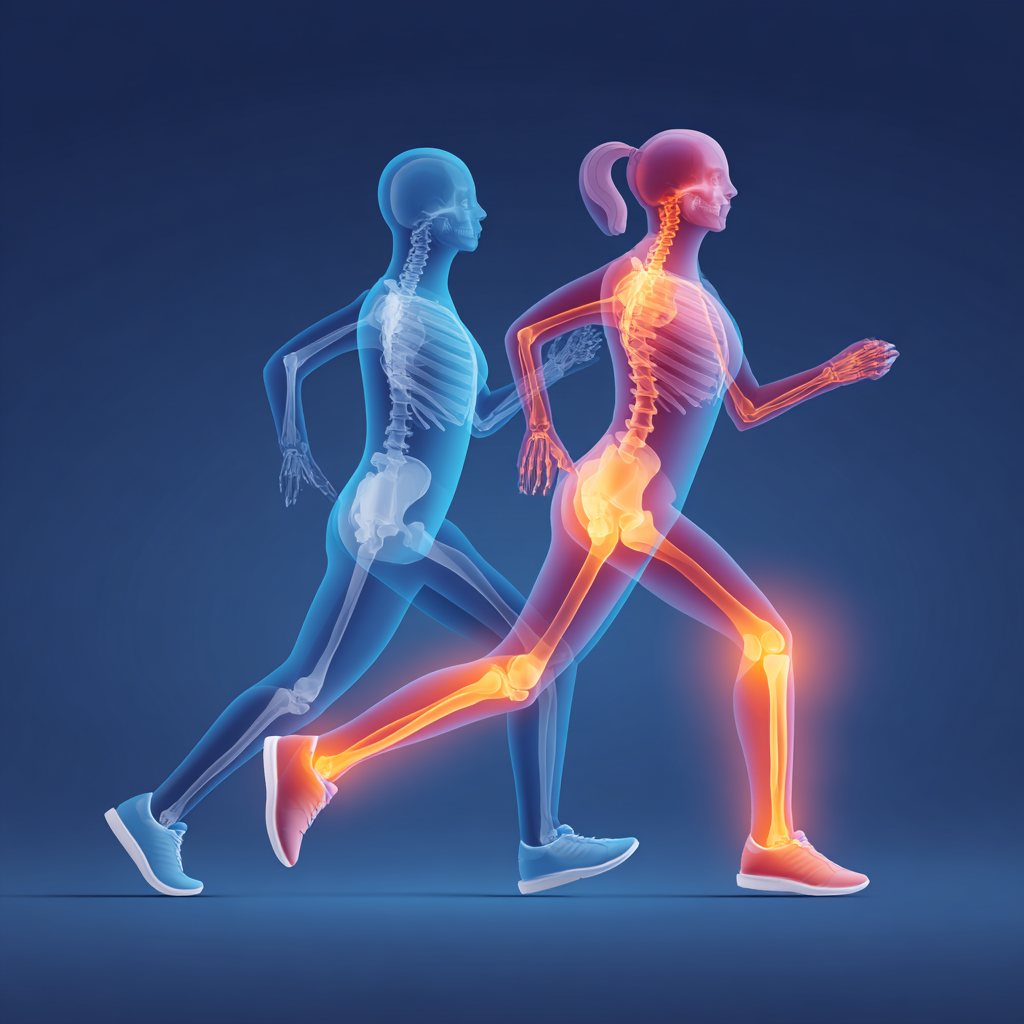
Walking and regular movement may help stimulate circulation and support mobility maintenance.
Understanding how these interconnected processes work together empowers people to make informed lifestyle choices that promote flexibility, strength, independence, and active aging throughout every stage of life.
Connective Tissue Support Ingredients
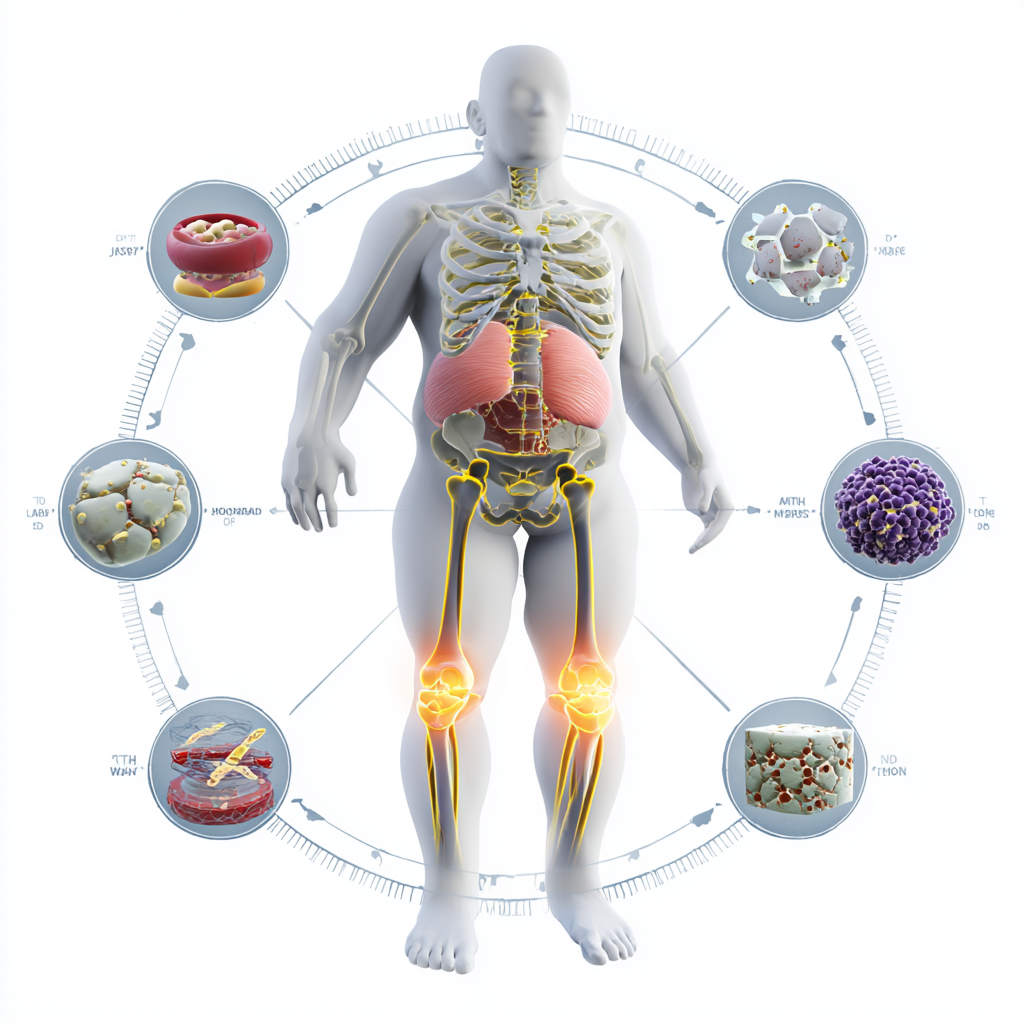
Some formulations contain ingredients associated with connective tissue biology, including:
- Glucosamine
- Chondroitin
- Collagen peptides
- Hyaluronic acid
- Curcumin
- Boswellia
These ingredients are often discussed in relation to:
- Cartilage structure
- Joint lubrication
- Recovery support
- Inflammatory balance
Movement and Long-Term Mobility
The body adapts to movement over time.
Long-term mobility strategies often emphasize:
- Strength training
- Flexibility and mobility work
- Balance training
- Recovery and sleep
- Sustainable physical activity
Healthy movement is not about perfection.
It is about preserving resilience, adaptability, and quality of life across the lifespan.
Compare Joint Support Formulas and Ingredients
When comparing joint support supplements, looking beyond marketing claims can help consumers make more informed decisions. Ingredient transparency is an important starting point. Products that clearly disclose the amount and form of each ingredient allow for easier evaluation and comparison. Formulation quality also matters, including standardized extracts, manufacturing practices, and quality testing that support product consistency. Scientific rationale refers to whether the selected ingredients have been investigated for their potential roles in supporting joint comfort, mobility, connective tissue health, or inflammatory balance, while recognizing that evidence varies among compounds. Consumer awareness should also include checking for third-party testing, reading labels carefully, understanding potential interactions, and maintaining realistic expectations. Supplements are best viewed as one component of a broader joint wellness strategy that includes regular movement, strength training, balanced nutrition, healthy body weight, and adequate recovery rather than as standalone solutions.