
The Inflammation–Joint Pain Connection
Inflammation plays a central role in many forms of joint discomfort. While acute inflammation is part of normal healing, chronic low-grade inflammation may gradually damage tissues and increase pain sensitivity.
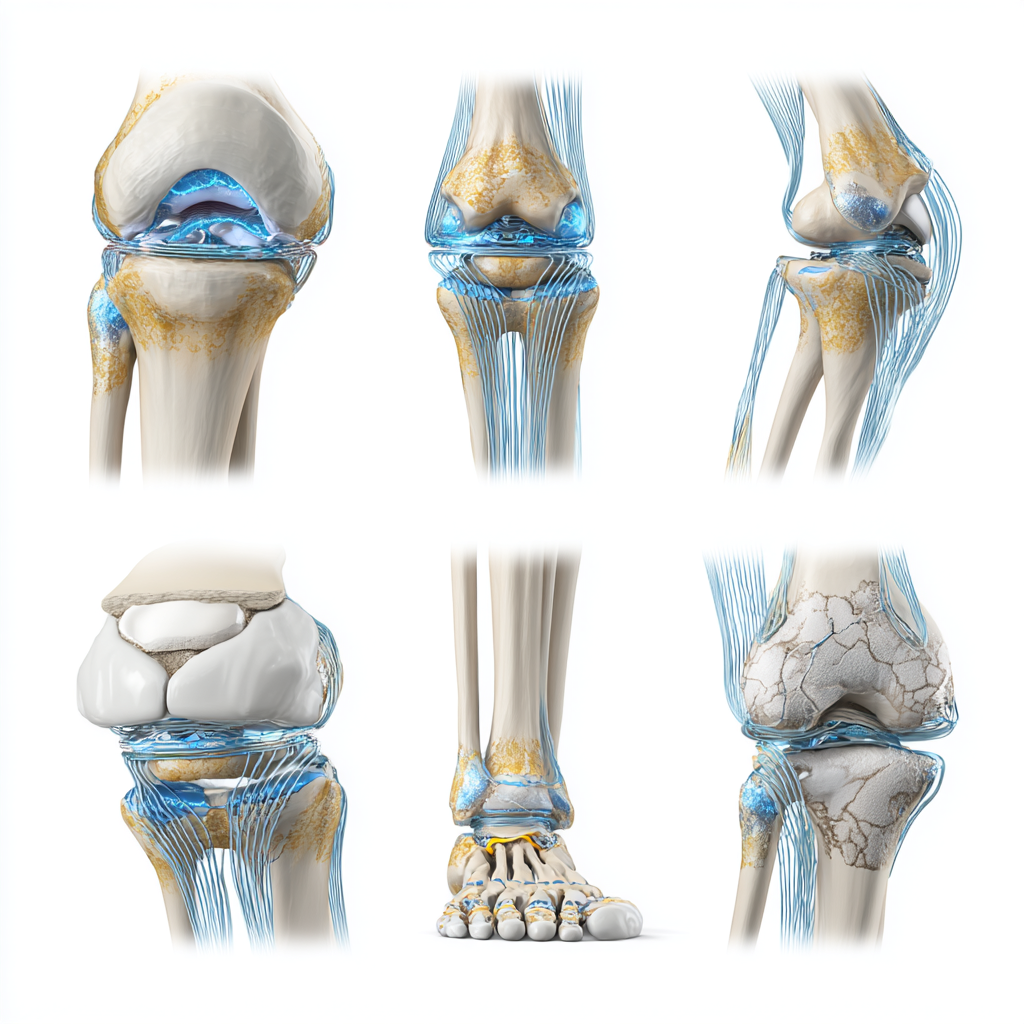
Modern lifestyles often create an “inflammatory environment” inside the body. Poor diet, stress, sleep deprivation, obesity, smoking, inactivity, and metabolic dysfunction may all contribute to persistent inflammatory signaling.
In joints, inflammation can affect:
- cartilage,
- synovial membranes,
- tendons,
- ligaments,
- and surrounding muscles.

Inflammatory molecules may increase swelling, stiffness, and discomfort while also accelerating tissue breakdown over time.
One major contributor is excess visceral fat. Fat tissue is biologically active and may release inflammatory compounds called cytokines. These inflammatory signals may influence not only metabolism but also joint health.
Blood sugar instability may also play a role. Repeated glucose spikes can increase oxidative stress and inflammatory pathways that affect connective tissues.

This helps explain why joint discomfort is often linked with broader metabolic issues including:
- insulin resistance,
- obesity,
- cardiovascular disease,
- and sedentary lifestyles.
An anti-inflammatory lifestyle may therefore support both overall health and joint function simultaneously.
Key anti-inflammatory strategies include:
- prioritizing whole foods,
- increasing colorful vegetables,
- consuming omega-3-rich foods,
- reducing ultra-processed foods,
- improving sleep quality,
- managing stress,
- and engaging in regular movement.
Exercise may seem counterintuitive during joint discomfort, but appropriate movement often helps reduce stiffness and improve circulation. Low-impact activities such as walking, swimming, cycling, yoga, and mobility exercises are commonly recommended.
The goal is not complete elimination of inflammation — the body needs inflammatory responses for healing. Instead, the objective is restoring balance and reducing chronic inflammatory overload.

Understanding this connection may help people approach joint support from a broader systems perspective rather than relying solely on symptom management.
Start protecting your mobility today — one small step can support stronger joints, better movement, and healthier aging.