
The Link Between Oral Health and Cardiovascular Disease
Can Gum Inflammation Affect the Heart?
One of the most important developments in modern dentistry is the growing recognition that oral health and cardiovascular health may be deeply interconnected.
Researchers have spent decades studying potential relationships between gum disease and:
- atherosclerosis
- heart attacks
- stroke
- endothelial dysfunction
- vascular inflammation
While science continues evolving, evidence increasingly suggests that chronic oral inflammation may contribute to broader systemic inflammatory stress.
The mouth is not isolated from the circulatory system.
It is biologically connected to it.
How Oral Bacteria May Enter the Bloodstream
The gums contain rich networks of blood vessels.
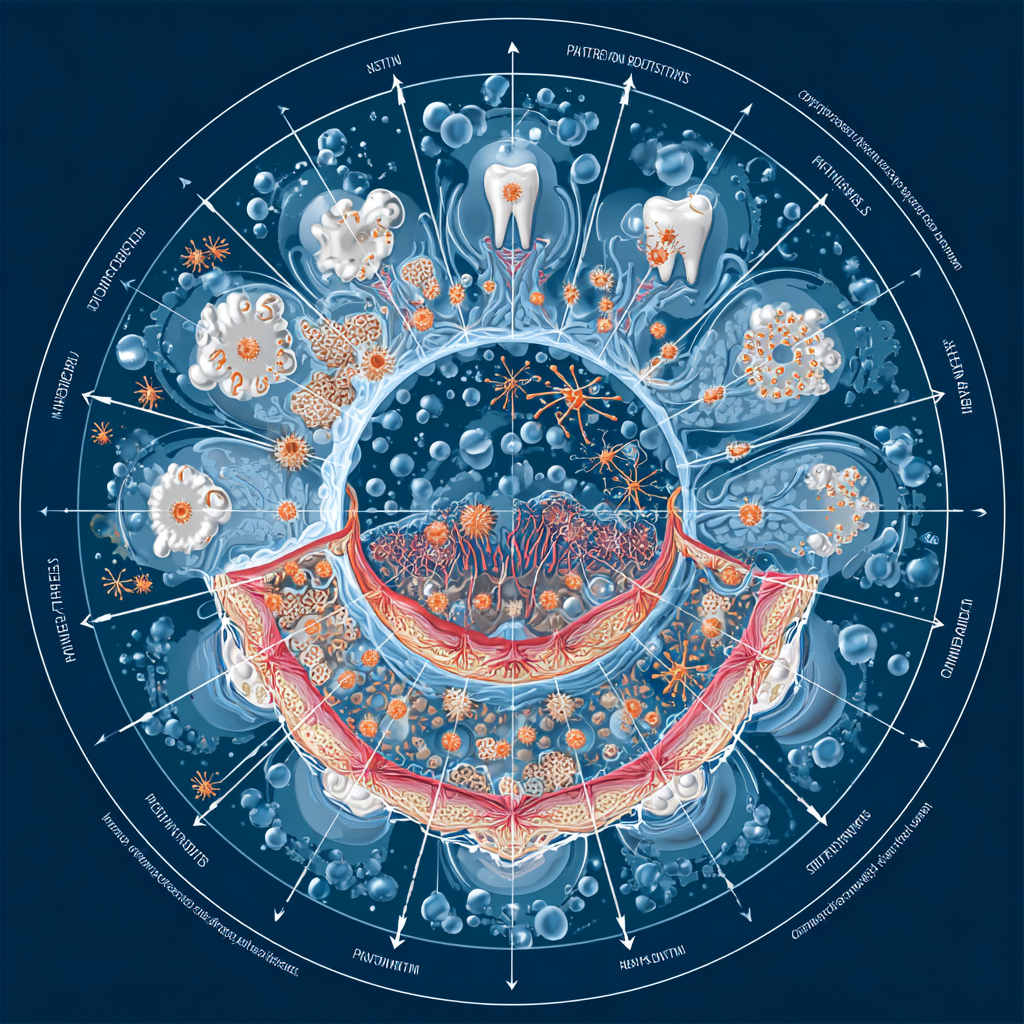
When gum tissues become inflamed or damaged, bacteria and inflammatory molecules may enter circulation more easily.
This process may occur during:
- brushing
- flossing
- chewing
- dental procedures
Especially when periodontal disease is present.
Researchers have identified oral bacterial DNA inside:
- arterial plaques
- cardiovascular tissues
- inflammatory lesions
This has increased scientific interest in the oral-systemic connection.
Chronic Inflammation and Vascular Health
Modern cardiovascular science increasingly recognizes chronic inflammation as a major contributor to vascular disease.
Inflammation may influence:
- endothelial injury
- arterial stiffness
- plaque instability
- immune activation
- oxidative stress
Severe periodontal disease creates a long-term inflammatory burden that may potentially interact with these processes.
Diabetes, Metabolism, and Gum Disease
The relationship between oral health and metabolic disease may work in both directions.
Poor metabolic health may worsen gum disease.
At the same time, severe periodontal inflammation may impair glucose regulation.
People with diabetes often experience:
- higher periodontal risk
- slower healing
- increased infection risk
- dry mouth
- inflammation
This is why many experts now advocate closer integration between medicine and dentistry.

Oral Health as Preventive Medicine
Preventive dental care may represent an overlooked form of preventive medicine.
Routine oral care may help reduce:
- chronic inflammation
- bacterial burden
- tissue destruction
- systemic inflammatory signaling
This does not mean brushing teeth alone prevents heart disease.
But maintaining oral health may be one important component of a broader longevity strategy.
Lifestyle Factors Affect Both Systems
Interestingly, many risk factors overlap between oral disease and cardiovascular disease:
- smoking
- ultra-processed diets
- sleep deprivation
- chronic stress
- diabetes
- inflammation
- sedentary lifestyle
This overlap reinforces the idea that the body functions as an interconnected biological network.
The Future of Integrated Healthcare
Future healthcare systems may increasingly combine:
- dental medicine
- cardiometabolic medicine
- microbiome science
- inflammatory biomarker tracking
- preventive longevity medicine
Dentistry may eventually become a more central part of whole-body preventive healthcare.
The future model may no longer ask:
“Do you take care of your teeth?”
It may ask:
“How healthy is your entire inflammatory system?”