
Aging, Mobility, and the Biology of Joint Decline
Aging affects nearly every tissue in the human body, including joints, cartilage, muscles, and connective structures.
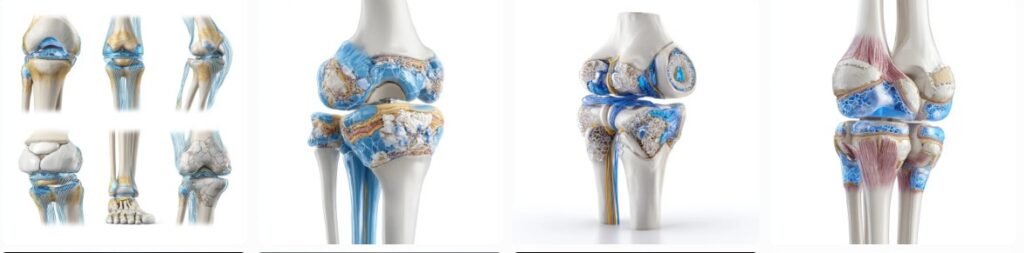
Over time, the body experiences:
- reduced collagen production,
- slower tissue repair,
- increased oxidative stress,
- hormonal shifts,
- and gradual muscle loss.
These biological changes may contribute to stiffness, reduced flexibility, and decreased resilience.
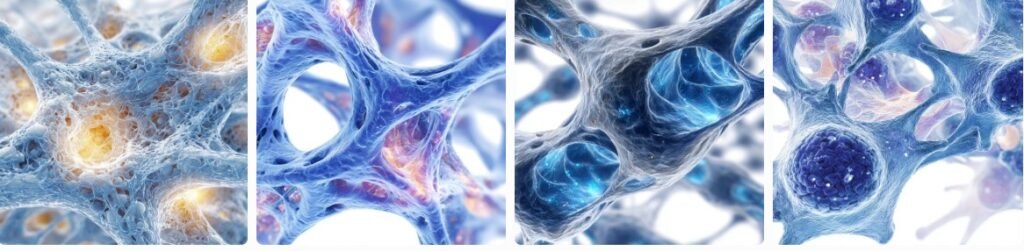
One major factor is sarcopenia — age-related muscle loss. Since muscles help stabilize joints and absorb impact, declining muscle mass may increase mechanical stress on cartilage.
Mitochondrial aging may also influence mobility. Mitochondria produce cellular energy, and reduced mitochondrial efficiency may impair recovery and physical endurance.
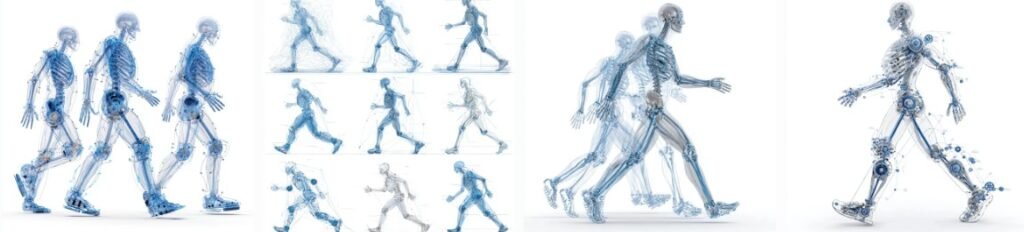
Inflammation often increases with age in a phenomenon sometimes called “inflammaging.” Chronic low-grade inflammation may accelerate tissue degeneration across multiple organ systems.
The encouraging news is that lifestyle interventions can influence many of these pathways.
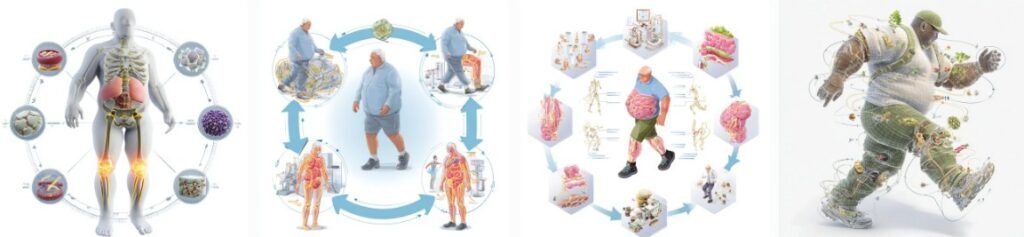
Research consistently supports:
- resistance training,
- protein intake,
- aerobic exercise,
- sleep optimization,
- stress reduction,
- and anti-inflammatory nutrition.
Healthy aging is not solely determined by chronological age. Biological resilience is strongly influenced by daily habits accumulated over time.
Protecting mobility may be one of the most important investments for long-term independence and healthy longevity.
Start protecting your mobility today — one small step can support stronger joints, better movement, and healthier aging.