
Why Modern Weight Loss Often Fails
The Missing Science Behind Metabolic Health

For decades, weight loss advice has been built around one oversimplified message:
“Eat less and move more.”
While calorie balance does matter, modern metabolic science now shows that human metabolism is far more complex than a simple math equation. Hormones, inflammation, sleep quality, stress, muscle health, blood sugar regulation, gut microbiome balance, circadian rhythms, and even environmental exposures all influence how the body stores or burns energy.
This is why so many people experience the frustrating cycle of:
- Temporary weight loss
- Rapid rebound weight gain
- Fatigue and cravings
- Slower metabolism
- Brain fog
- Hormonal disruption
- Chronic inflammation
The problem is often not a lack of willpower.
The problem is that the body’s metabolic systems have become dysregulated.
The Metabolism Reset Blueprint is built around a different philosophy:
Instead of forcing the body into aggressive restriction, the goal is to restore metabolic flexibility, stabilize energy systems, and rebuild long-term metabolic resilience.
This is the foundation of sustainable health.

What Is Metabolism Really?
Metabolism is not just about body weight.
Metabolism is the entire biological process through which the body:
- Produces cellular energy
- Regulates blood sugar
- Stores and burns fat
- Maintains hormone balance
- Supports brain function
- Controls inflammation
- Repairs tissues
- Responds to stress
- Maintains immune resilience
In many ways, metabolism is the body’s central operating system.
When metabolism functions efficiently, people often experience:
- Stable energy
- Better sleep
- Reduced cravings
- Improved focus
- Healthy body composition
- Better mood
- Stronger immune balance
- Greater long-term resilience
When metabolism becomes impaired, symptoms often appear gradually:
- Abdominal weight gain
- Fatigue
- Brain fog
- Blood sugar instability
- Mood fluctuations
- Poor sleep
- Increased inflammation
- Slower recovery
- Hormonal imbalance
Many chronic diseases are deeply connected to metabolic dysfunction.
The Modern Metabolic Crisis
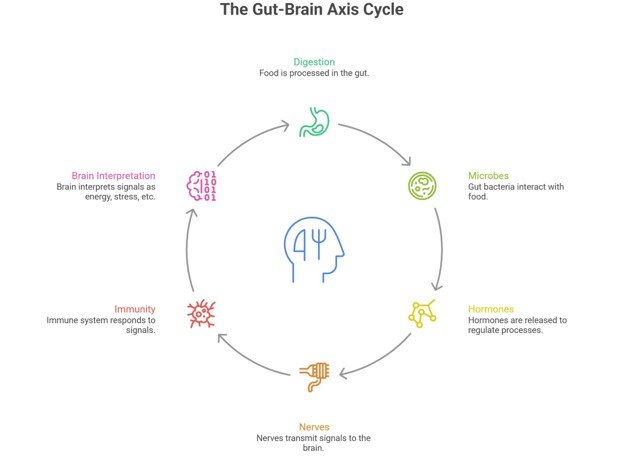
Modern lifestyles create conditions the human body was never designed to handle continuously.
Today’s environment often includes:
- Ultra-processed foods
- Constant snacking
- Sleep disruption
- Chronic stress
- Sedentary behavior
- Artificial light exposure
- Reduced muscle activity
- Excess sugar intake
- Poor circadian alignment
- Information overload
Over time, these factors can overwhelm the body’s regulatory systems.
The result may include:
- Insulin resistance
- Chronic inflammation
- Mitochondrial dysfunction
- Hormonal dysregulation
- Increased visceral fat
- Reduced metabolic flexibility
This is why metabolic health is now central to preventive medicine and longevity science.
Why Restrictive Diets Usually Fail
Extreme dieting often triggers biological defense systems.
When calorie intake drops too aggressively, the body may respond by:
- Slowing metabolic rate
- Increasing hunger hormones
- Reducing thyroid activity
- Breaking down muscle tissue
- Increasing fatigue
- Elevating stress hormones
This can create a survival response rather than a healing response.
Many people lose weight initially, but eventually experience:
- Plateaus
- Intense cravings
- Low energy
- Mood instability
- Rebound weight gain
Sustainable metabolic recovery usually requires a more intelligent strategy.
The Metabolism Reset Philosophy
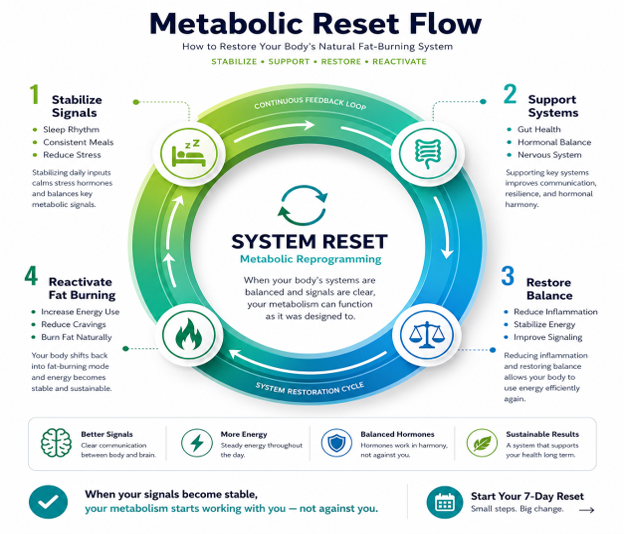
The Metabolism Reset Blueprint focuses on rebuilding metabolic efficiency rather than punishing the body.
Core principles include:
1. Blood Sugar Stability
Large blood sugar spikes may contribute to:
- Energy crashes
- Increased hunger
- Fat storage
- Inflammation
- Brain fog
Balanced meals that combine:
- Protein
- Fiber
- Healthy fats
- Whole-food carbohydrates
may help improve metabolic stability.

2. Muscle Preservation
Muscle tissue plays a major role in:
- Glucose regulation
- Energy expenditure
- Insulin sensitivity
- Longevity
This is why resistance training and adequate protein intake are often essential components of metabolic recovery.
3. Sleep Optimization
Poor sleep can disrupt:
- Appetite hormones
- Insulin sensitivity
- Stress regulation
- Recovery systems
Even small improvements in sleep quality may significantly support metabolic health.

4. Stress Regulation
Chronic stress affects metabolism through hormones such as cortisol.
Long-term stress overload may contribute to:
- Abdominal fat accumulation
- Cravings
- Sleep disruption
- Blood sugar instability
Stress management is not optional in metabolic recovery.
It is foundational.
5. Inflammation Reduction
Chronic low-grade inflammation is increasingly linked to:
- Obesity
- Cardiovascular disease
- Diabetes
- Neurodegeneration
Anti-inflammatory lifestyle strategies may include:
- Whole-food nutrition
- Sleep recovery
- Physical activity
- Gut health support
- Stress reduction

Metabolic Health Is About More Than Appearance
Many people begin their metabolic journey focused only on weight.
But deeper metabolic recovery may influence:
- Brain health
- Cardiovascular health
- Cognitive resilience
- Energy production
- Healthy aging
- Hormonal balance
- Longevity pathways
This is why modern preventive medicine increasingly focuses on metabolic optimization as a foundation for lifelong health.
The Role of Metabolic Flexibility
One of the most important concepts in modern metabolism science is metabolic flexibility.
This refers to the body’s ability to efficiently switch between:
- Burning carbohydrates
- Burning stored fat
- Using energy efficiently during fasting, exercise, and rest
Metabolically inflexible individuals often experience:
- Constant hunger
- Frequent crashes
- Sugar cravings
- Low energy
- Difficulty losing fat
Improving metabolic flexibility may help restore resilience and energy stability.
Sustainable Change Beats Short-Term Extremes
Many health transformations fail because they rely on intensity instead of sustainability.
The Metabolism Reset Blueprint emphasizes:
- Gradual improvement
- Long-term consistency
- Behavioral sustainability
- Systems-based thinking
- Prevention-first health
The goal is not perfection.
The goal is building a healthier biological environment over time.
The Future of Metabolic Health
The future of metabolism science is becoming increasingly personalized.
Emerging tools may include:
- Continuous glucose monitoring
- AI-driven health analysis
- Personalized nutrition models
- Biomarker tracking
- Metabolic age assessment
- Digital health ecosystems
Preventive medicine is shifting from reactive disease care toward predictive metabolic optimization.
This transition may reshape the future of human health.

Final Thoughts
Metabolic health is not about chasing quick fixes.
It is about understanding the interconnected systems that regulate human energy, resilience, recovery, and longevity.
The Metabolism Reset Blueprint represents a smarter approach:
- Restore metabolic balance
- Improve energy systems
- Stabilize blood sugar
- Protect muscle
- Reduce inflammation
- Support long-term resilience
Sustainable metabolic health is not built through punishment.
It is built through intelligent biological support.
Modern weight gain is often connected to stress, poor sleep, blood sugar instability, inflammation, and metabolic overload — not simply a lack of discipline.