
Why Joint Health Is About More Than Just Aging
Understanding the Systems Behind Pain, Stiffness, and Mobility Decline
For decades, joint pain has been described as a simple consequence of aging. Many people are told that sore knees, stiff hips, aching backs, and reduced flexibility are simply “wear and tear” that comes with getting older.
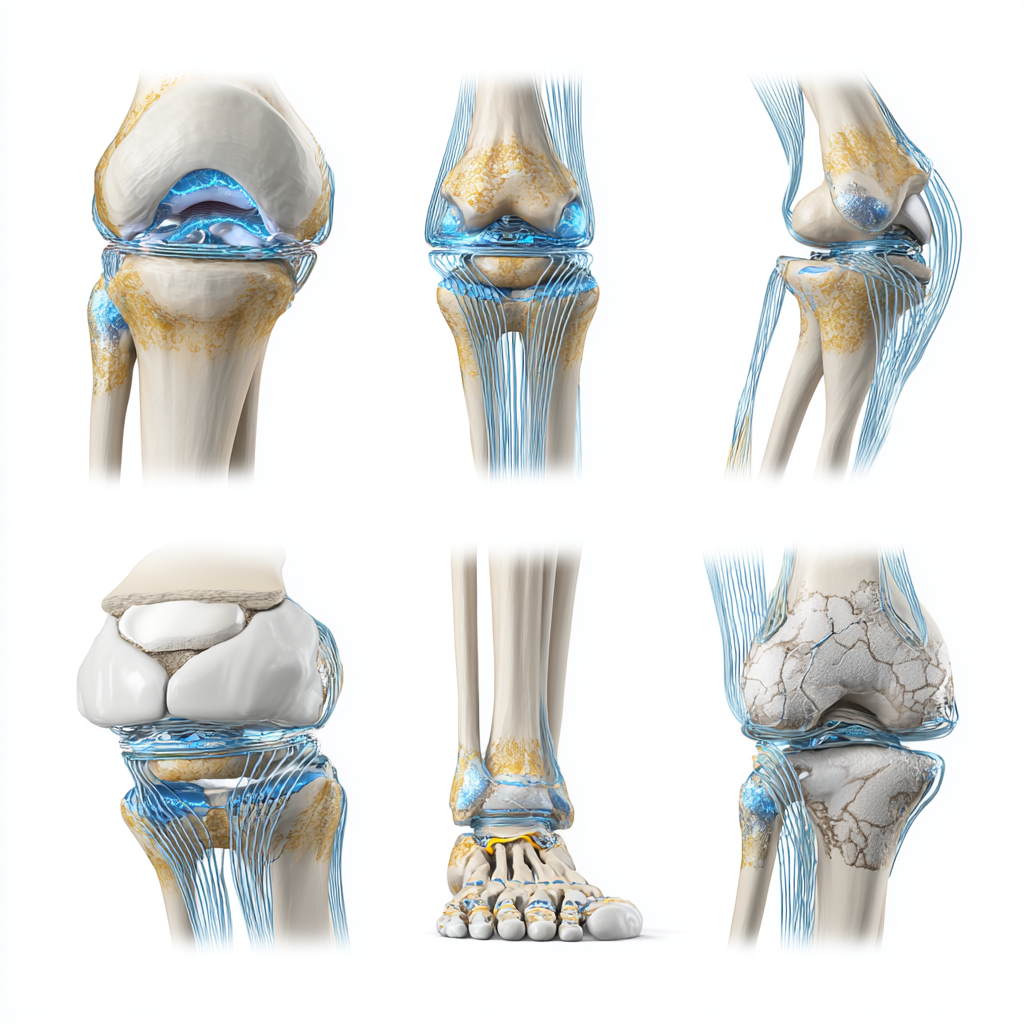
But modern systems biology paints a far more complex picture.
Joint health is not controlled by a single factor. It is influenced by interconnected systems involving inflammation, metabolism, circulation, muscle integrity, immune signaling, sleep quality, movement patterns, body composition, nutrition, and even brain health.
Healthy joints are part of a larger biological network.
This systems-based perspective is changing how researchers and health educators think about mobility, longevity, and healthy aging.
Joint Genesis™ represents this broader conversation — a growing interest in supporting joint resilience not only through symptom management, but through long-term biological support strategies.
The Modern Joint Health Crisis
Mobility decline has become increasingly common across all age groups.
Many adults experience:
- Morning stiffness
- Knee discomfort
- Reduced flexibility
- Slower recovery after exercise
- Back pain
- Reduced balance
- Hip discomfort
- Joint “cracking” or instability
- Difficulty climbing stairs
- Reduced walking endurance
Importantly, these problems are no longer limited to older adults.
Sedentary lifestyles, chronic inflammation, poor sleep, processed diets, obesity, stress overload, and low physical activity levels have contributed to rising joint concerns even among younger populations.
Modern lifestyles often create the perfect environment for chronic low-grade inflammation — one of the most important drivers of joint discomfort and tissue degeneration.
Joints Are Living Biological Systems
Many people imagine joints as mechanical hinges.
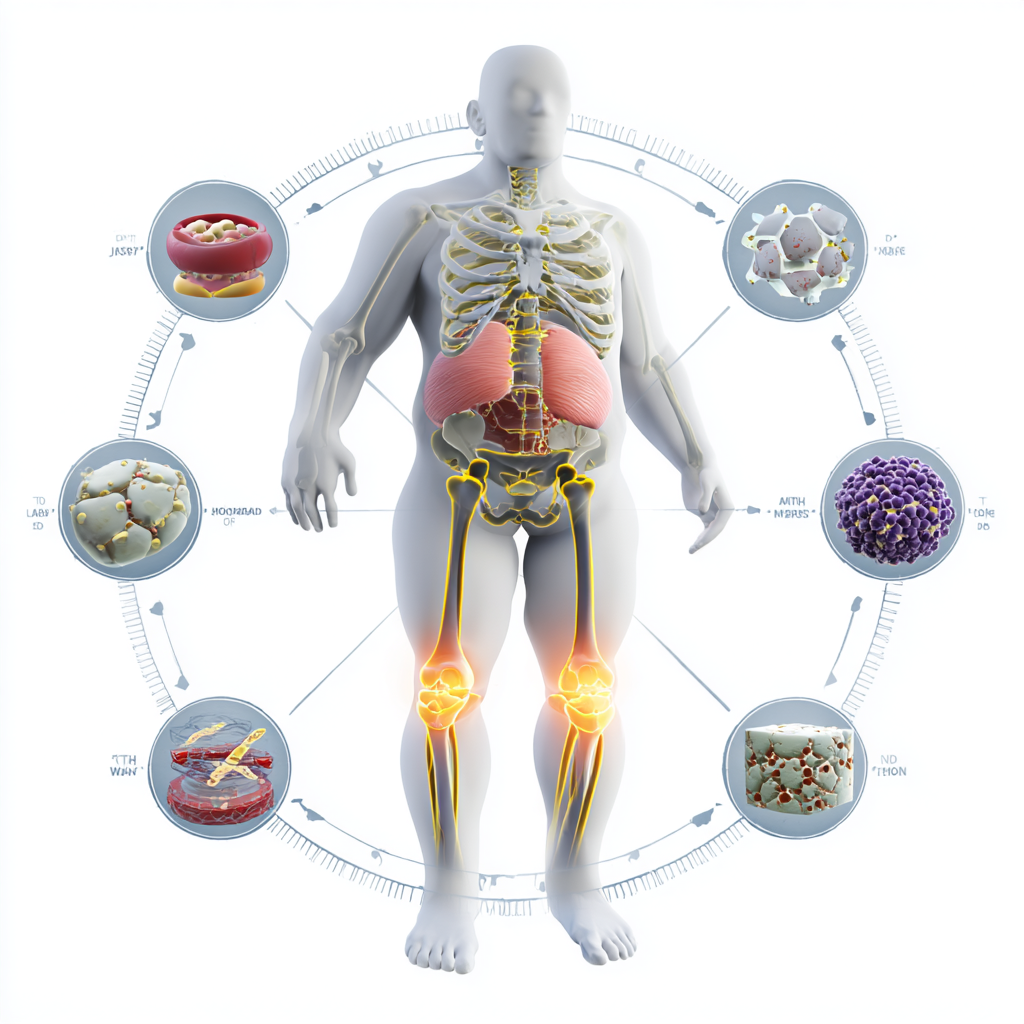
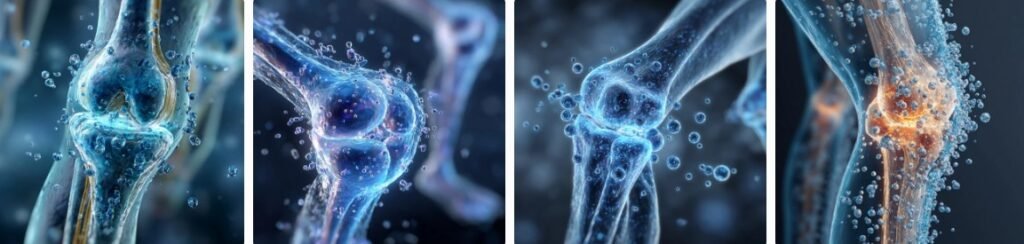
In reality, joints are living, dynamic biological ecosystems.
Healthy joints depend on:
- Cartilage integrity
- Synovial fluid lubrication
- Muscle support
- Tendon resilience
- Ligament stability
- Bone density
- Blood circulation
- Mitochondrial energy production
- Immune balance
- Nervous system coordination
When these systems become disrupted, the result may include stiffness, inflammation, pain, and reduced movement capacity.
This is why joint health should never be viewed in isolation.
The body functions as an interconnected network.
The Inflammation Connection
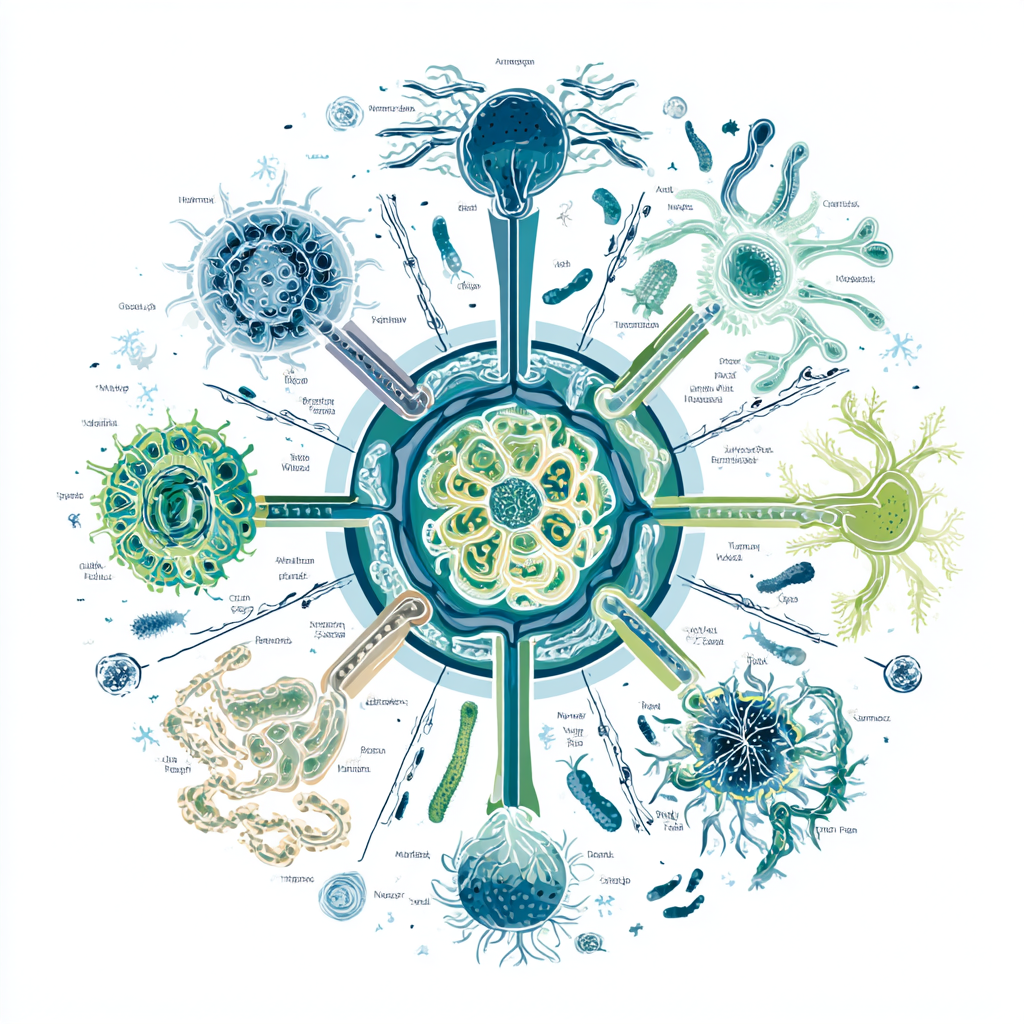
One of the biggest discoveries in modern longevity science is the role of chronic inflammation.
Researchers sometimes refer to this as “inflammaging” — a state of persistent low-grade inflammation associated with aging and chronic disease risk.
Inflammation can affect:
- Cartilage breakdown
- Joint swelling
- Tissue repair capacity
- Pain sensitivity
- Muscle recovery
- Mobility endurance
Lifestyle factors that may contribute to chronic inflammation include:
- Poor diet quality
- Excess sugar intake
- Obesity
- Sleep deprivation
- Chronic stress
- Smoking
- Alcohol excess
- Sedentary behavior
- Metabolic dysfunction
This helps explain why joint discomfort often appears alongside fatigue, weight gain, metabolic issues, and reduced physical resilience.
Why Movement Matters
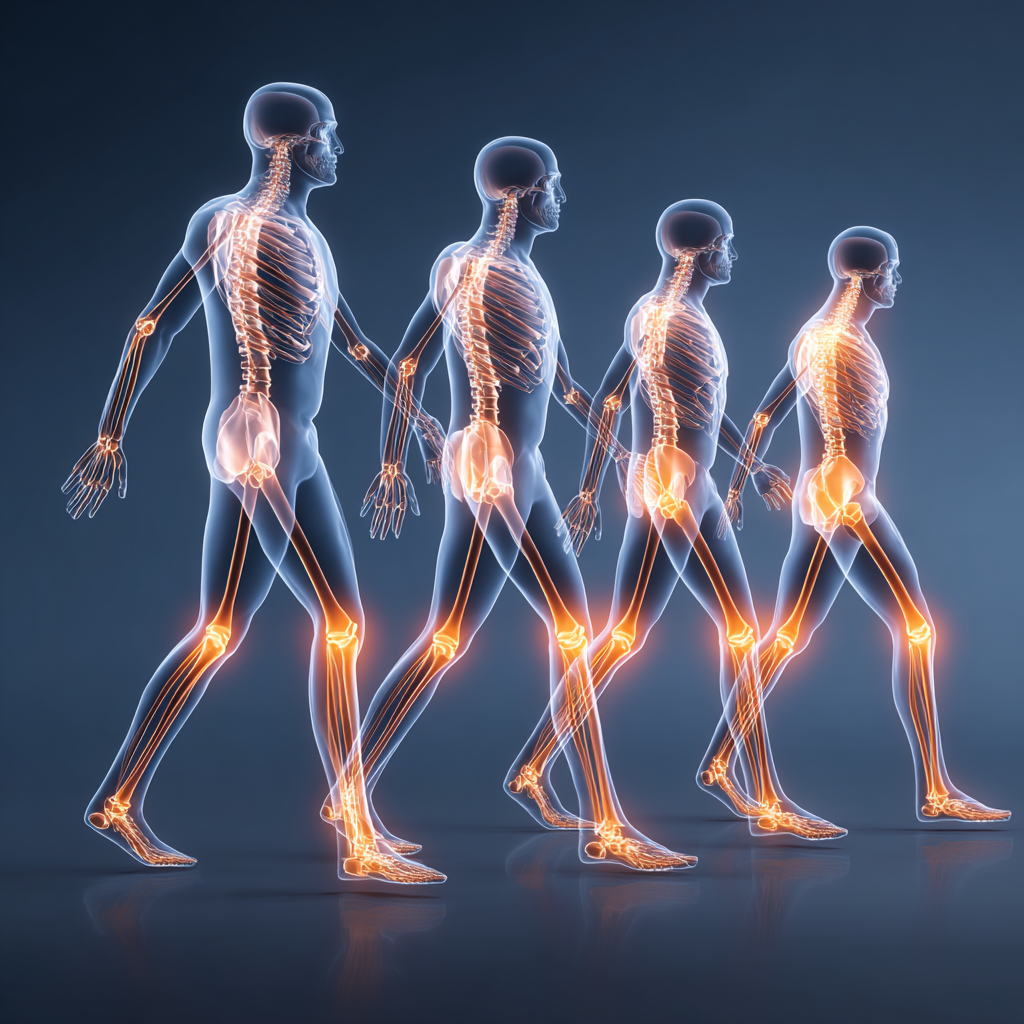
Movement is one of the most important biological signals for healthy aging.
Regular physical activity supports:
- Synovial fluid circulation
- Muscle preservation
- Joint lubrication
- Balance and coordination
- Bone density
- Circulation
- Anti-inflammatory pathways
Ironically, many people reduce movement because of discomfort — but inactivity itself can worsen joint stiffness and mobility decline.
The body adapts to use.
Healthy movement helps maintain healthy joints.
The Muscle–Joint Relationship
Muscles act as shock absorbers for the skeletal system.
Weak muscles increase stress on joints.
Loss of muscle mass — known as sarcopenia — becomes increasingly important with age and may contribute to:
- Instability
- Falls
- Joint overload
- Reduced recovery
- Poor posture
- Back pain
Strength training, protein intake, and mobility exercises may all play important roles in maintaining long-term movement capacity.
Joint health is never just about cartilage.
It is about the entire movement system.
Nutrition and Joint Biology
Nutrition plays a major role in inflammation regulation and tissue maintenance.
Researchers continue studying nutrients involved in joint support, including:
- Collagen peptides
- Glucosamine
- Chondroitin
- Hyaluronic acid
- Omega-3 fatty acids
- Curcumin
- Vitamin D
- Magnesium
- Antioxidants
While no supplement can “cure” aging, nutritional support may help support normal joint structure and healthy inflammatory balance as part of a broader lifestyle approach.
The most effective strategies usually combine:
- Nutrition
- Physical activity
- Weight management
- Sleep optimization
- Stress reduction
- Healthy recovery habits

Weight and Joint Stress
Excess body weight significantly increases stress on joints — especially the knees, hips, and lower back.
Even modest weight reduction may help reduce mechanical strain.
But body fat also influences inflammation.
Adipose tissue is biologically active and can produce inflammatory signaling molecules that affect overall metabolic health.
This means healthy body composition may support both:
- Reduced mechanical pressure
- Improved inflammatory balance
Sleep and Recovery
Sleep is often overlooked in joint health discussions.
During sleep, the body performs essential repair processes involving:
- Hormonal regulation
- Tissue recovery
- Immune balance
- Nervous system restoration
Poor sleep has been associated with:
- Increased pain sensitivity
- Higher inflammation
- Reduced recovery
- Fatigue
- Lower exercise capacity
Long-term mobility support requires recovery support.

Joint Health and Longevity
Mobility is one of the strongest predictors of healthy aging.
Maintaining the ability to:
- Walk comfortably
- Climb stairs
- Maintain balance
- Preserve independence
- Stay physically active
may influence long-term quality of life more than almost any single fitness metric.
Joint resilience supports:
- Independence
- Cardiovascular health
- Brain health
- Metabolic health
- Emotional well-being
- Longevity
Movement is deeply connected to human vitality.
A Systems-Based Future
The future of joint wellness is likely moving toward integrated, systems-based strategies.
Instead of focusing only on symptoms, modern preventive health models increasingly explore:
- Inflammatory balance
- Metabolic health
- Personalized movement
- Recovery science
- Nutrition
- Biomarkers
- AI-driven health monitoring
- Longevity medicine
Joint Genesis™ fits within this broader shift toward preventive mobility science.
The goal is not perfection.
The goal is preserving movement, resilience, and quality of life across the aging process.
Final Thoughts
Joint health is not merely about bones and cartilage.
It reflects the condition of the entire human system.
Healthy aging depends on maintaining the biological networks that support movement, recovery, flexibility, and resilience.
Mobility is freedom.
And the future of healthy aging may depend on how well we protect it.
Start protecting your mobility today — one small step can support stronger joints, better movement, and healthier aging.