
Why Blood Sugar Health Matters More Than Ever
Understanding the Modern Metabolic Crisis

Modern health conversations often focus on weight loss, calories, and dieting trends. But beneath many chronic health conditions lies a deeper biological issue: blood sugar dysregulation.
Blood sugar is not simply about diabetes. It is connected to:
- Energy production
- Brain performance
- Hormonal balance
- Appetite regulation
- Inflammation
- Cardiovascular health
- Longevity and healthy aging
The human body depends on stable glucose regulation to maintain biological stability. When blood sugar becomes chronically elevated or unstable, nearly every major system in the body can be affected.
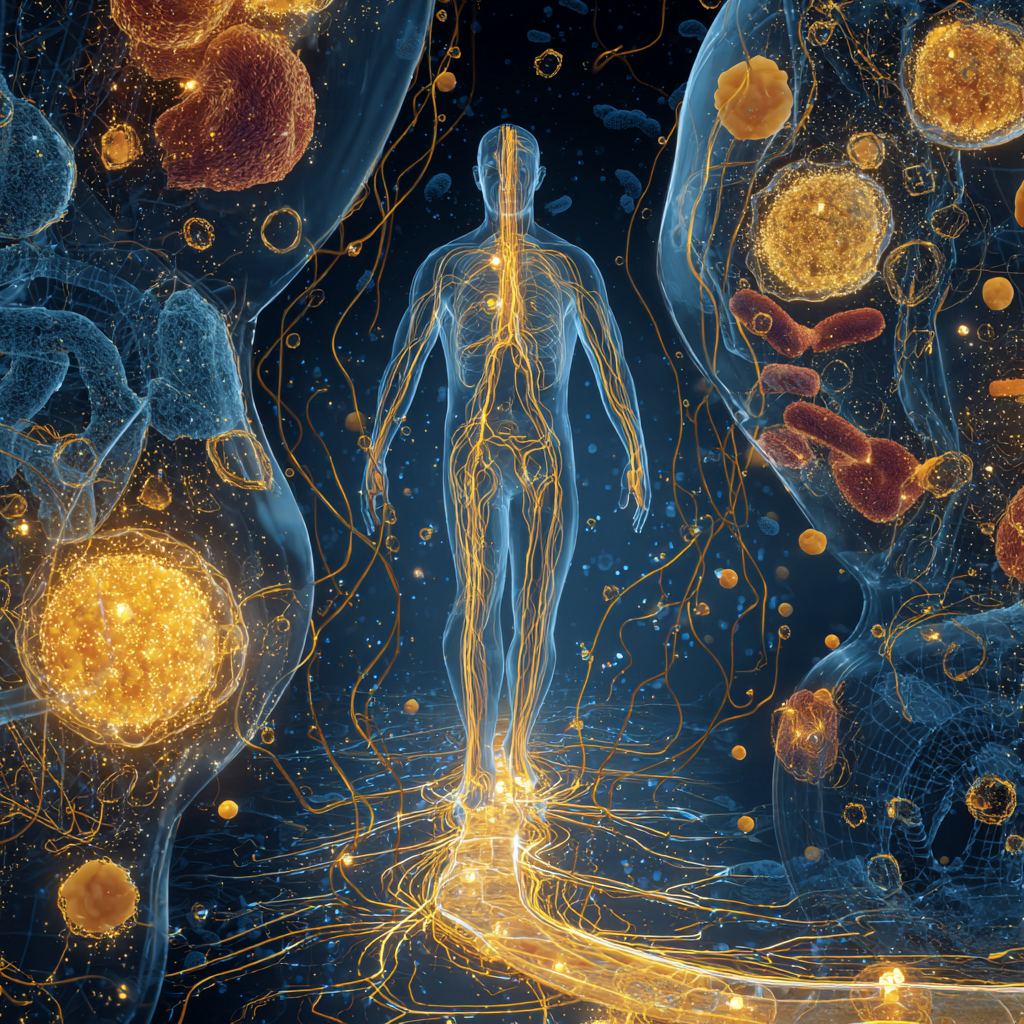
The modern world has created conditions that challenge metabolic health on a daily basis. Highly processed foods, sleep disruption, chronic stress, physical inactivity, and constant overeating contribute to what many researchers now describe as a global metabolic crisis.
The Blood Sugar Reset Blueprint approaches blood sugar through systems biology rather than isolated symptom management. Instead of viewing glucose as a single number, this framework explores the interconnected systems that regulate metabolism and long-term health.
What Is Blood Sugar?
Blood sugar, or blood glucose, refers to the amount of glucose circulating in the bloodstream.
Glucose is one of the body’s primary energy sources. Every cell in the body relies on glucose to function, especially the brain.
After eating carbohydrates, digestion breaks food down into glucose, which enters the bloodstream. The body then releases insulin from the pancreas to help move glucose into cells where it can be used for energy.
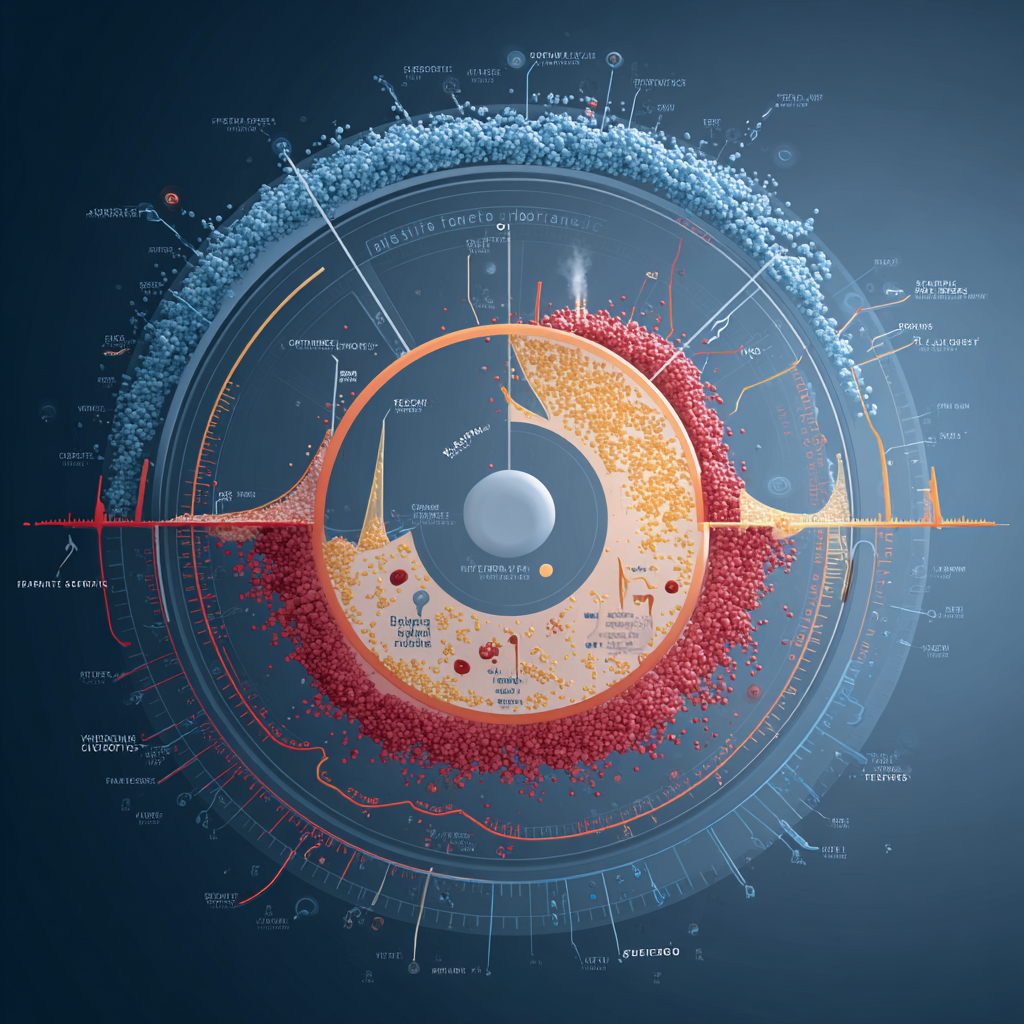
In healthy metabolism:
- Blood sugar rises moderately after meals
- Insulin responds efficiently
- Cells absorb glucose effectively
- Blood sugar returns to normal levels
But when this system becomes overloaded, insulin resistance may develop.
The Hidden Rise of Insulin Resistance
Insulin resistance occurs when cells stop responding efficiently to insulin signals.
As resistance increases:
- The pancreas produces more insulin
- Blood sugar regulation becomes impaired
- Fat storage increases
- Energy crashes become more common
- Hunger signals intensify
- Inflammation rises
This process can develop slowly over many years before symptoms appear.

Many individuals may have metabolic dysfunction long before receiving a diagnosis of prediabetes or type 2 diabetes.
Research increasingly links insulin resistance with:
- Obesity
- Fatty liver disease
- Cardiovascular disease
- Cognitive decline
- Sleep disruption
- Hormonal imbalance
- Chronic inflammation
This is why blood sugar health is now considered central to preventive medicine.
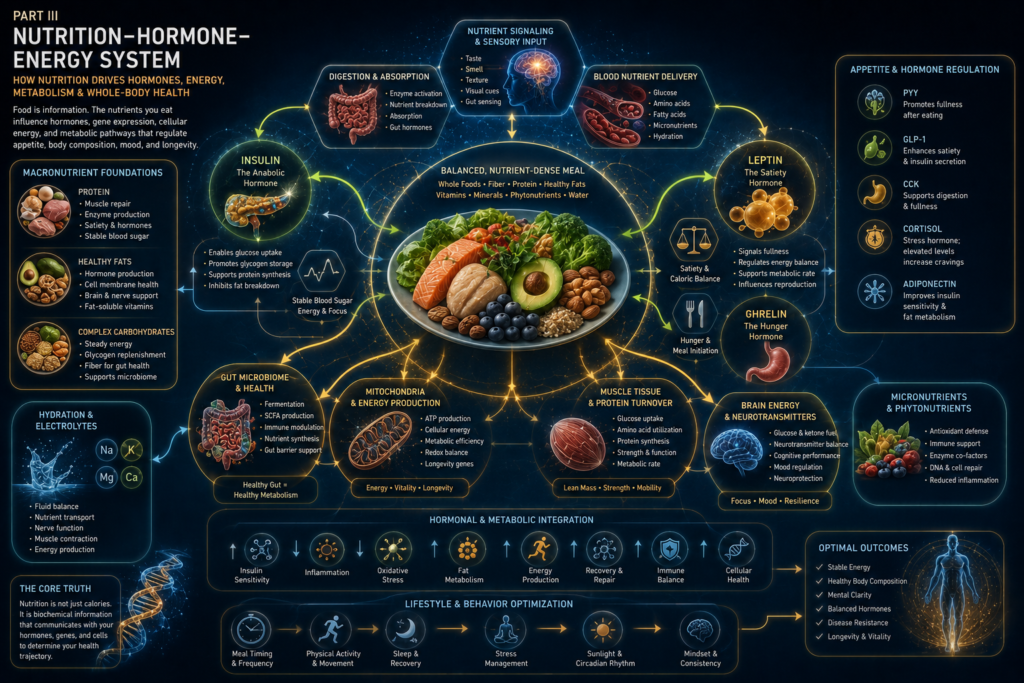
Blood Sugar Is a Full-Body System
The body regulates glucose through a highly interconnected biological network.
Key systems include:
The Pancreas
Produces insulin and glucagon.
The Liver
Stores glucose and regulates glucose release.
Muscle Tissue
Absorbs large amounts of glucose during movement.
Fat Tissue
Acts as both energy storage and hormonal tissue.
The Brain
Influences appetite, cravings, and stress responses.
The Gut Microbiome
Affects insulin sensitivity and inflammation.
Hormones
Cortisol, growth hormone, estrogen, testosterone, and thyroid hormones all influence glucose metabolism.
This systems-based view explains why blood sugar health cannot be solved through one single intervention alone.
Explore Science-Based Guides for Preventive blood-sugar- Health Care and Support