
Healthy saliva helps repair early enamel damage through remineralization.
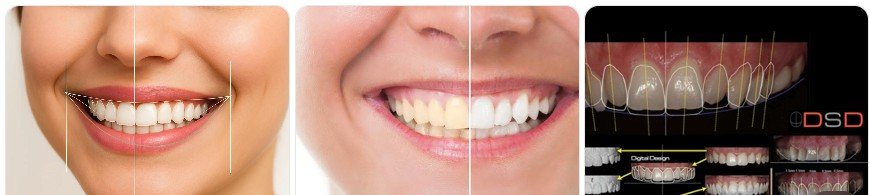
Saliva contains minerals such as:
- calcium
- phosphate
- bicarbonate
that help neutralize acids and restore enamel structure.
But when sugar exposure overwhelms saliva defenses, demineralization outpaces repair.
Dry mouth dramatically worsens this problem.
Processed Foods and Oral Biology
Ultra-processed foods influence oral health in multiple ways.
Many processed foods:
- contain hidden sugars
- adhere to teeth
- disrupt microbial balance
- reduce nutrient density
- promote inflammation
Soft sticky carbohydrates are especially problematic because they remain on tooth surfaces longer.
Meanwhile, nutrient-poor diets may weaken biological defenses.
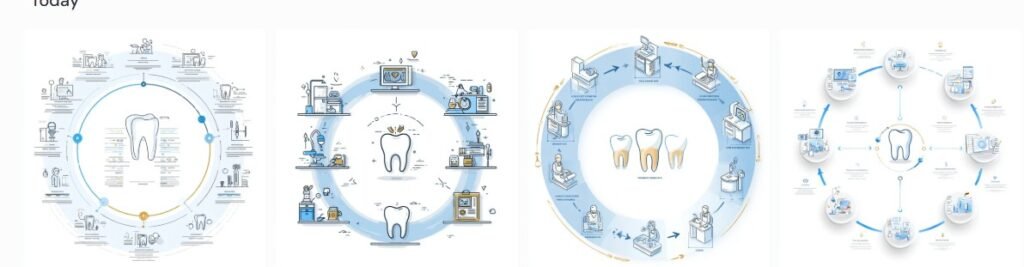
Nutrients That Support Oral Health
Modern dentistry increasingly recognizes the importance of nutrition for maintaining healthy teeth and gums.
Important nutrients include:
- calcium
- phosphorus
- vitamin D
- vitamin K2
- magnesium
- vitamin C
- protein
These nutrients support:
- enamel integrity
- bone metabolism
- gum repair
- collagen production
- immune resilience
Nutrition affects oral biology at every level.
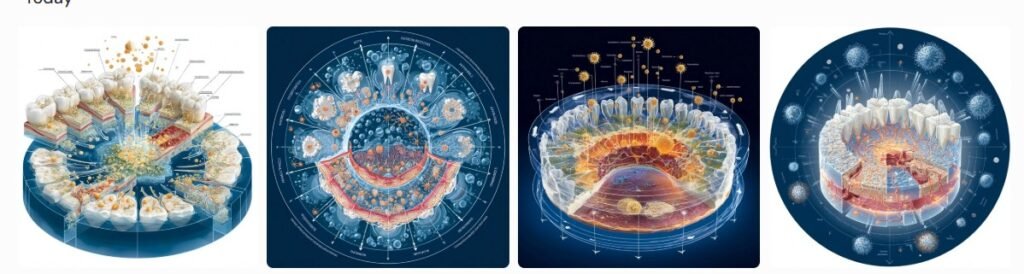
The Mouth–Metabolism Connection
High-sugar diets affect not only cavities but also systemic metabolism.
Excess sugar intake contributes to:
- insulin resistance
- obesity
- chronic inflammation
- diabetes
- metabolic dysfunction
These same conditions may worsen gum disease and oral inflammation.
This highlights the growing overlap between dentistry and metabolic health.
Acidic Beverages and Enamel Erosion
Modern beverages pose major challenges for oral health.
Frequent exposure to:
- soda
- sports drinks
- energy drinks
- fruit juices
- acidic sparkling beverages
may erode enamel even without bacterial decay.
Acid erosion weakens tooth structure and increases sensitivity.
Modern dentistry increasingly emphasizes reducing acidic beverage exposure.
Children and the Modern Food Environment
Children today grow up in highly processed food environments unlike those experienced by previous generations.
Aggressive marketing of sugary products contributes to early oral disease.
Childhood cavities may affect:
- nutrition
- sleep
- concentration
- development
- confidence
- long-term health behaviors
Preventive nutrition is therefore central to pediatric dentistry.
Nutrition and Longevity Dentistry
Emerging models of longevity medicine increasingly integrate oral health into broader healthspan strategies.
Dietary patterns supporting oral health often also support:
- metabolic health
- cardiovascular resilience
- brain aging prevention
- inflammatory regulation
This includes diets emphasizing:
- whole foods
- vegetables
- healthy fats
- fiber
- low glycemic load
- reduced ultra-processed foods
The future of dentistry may increasingly focus on preserving biological resilience across the lifespan.
Final Thoughts
Tooth decay is not merely a hygiene issue.
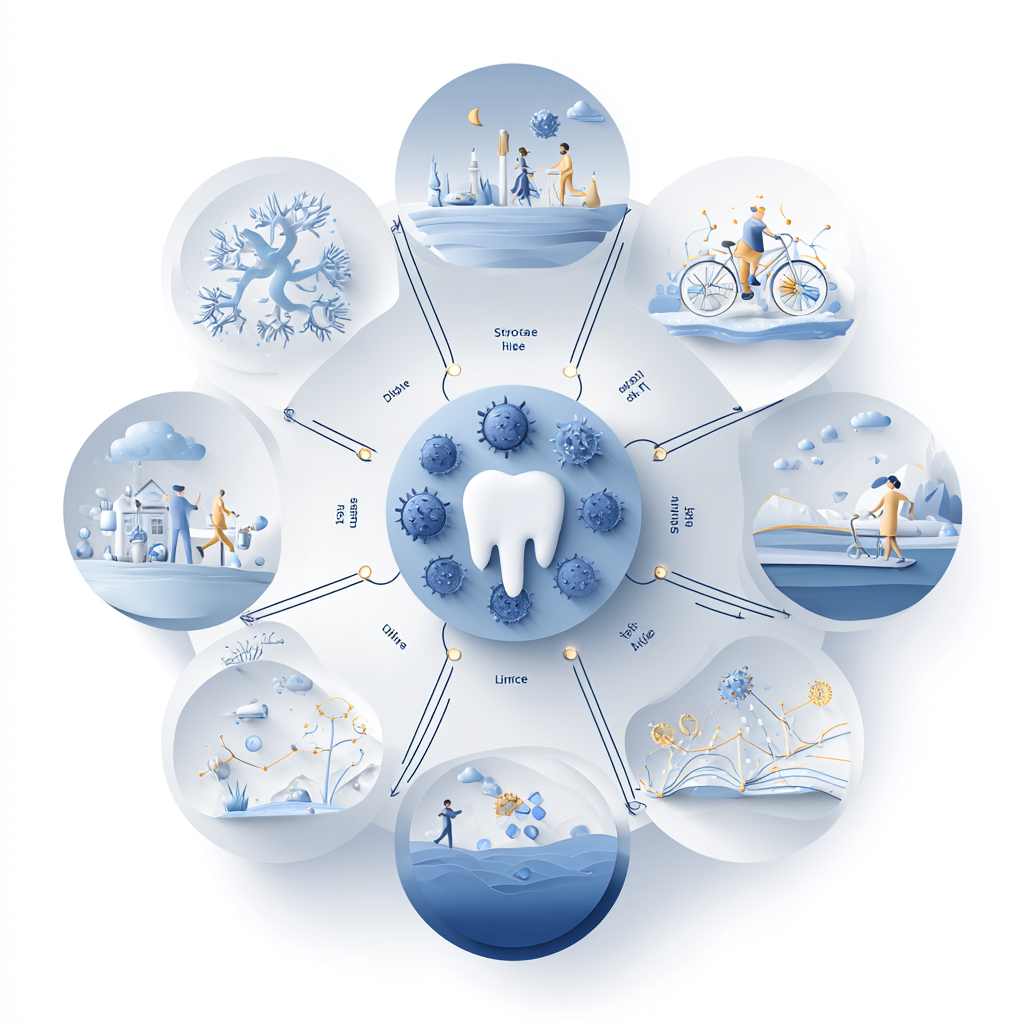
It reflects interactions between:
- nutrition
- microbes
- metabolism
- inflammation
- lifestyle
- modern food environments
Modern dentistry increasingly recognizes that protecting oral health requires addressing the broader systems shaping human biology.
The future of oral health may depend as much on nutritional prevention as on dental procedures themselves.
Discover how oral health connects to inflammation, metabolism, cardiovascular wellness, and long-term whole-body health.