
The Science of Castor Oil Packs: What Ricinoleic Acid Actually Does
The internet is full of dramatic claims about castor oil packs.

Some say they “pull toxins from the liver.”
Others claim they cure inflammation, repair hormones, melt belly fat, improve immunity, and restore gut health.
But what actually happens biologically when castor oil is applied to the skin?
To answer that question, we need to move beyond wellness marketing and examine the chemistry, physiology, and evidence surrounding the primary active component of castor oil:
Ricinoleic acid
Understanding this molecule helps separate science from speculation.
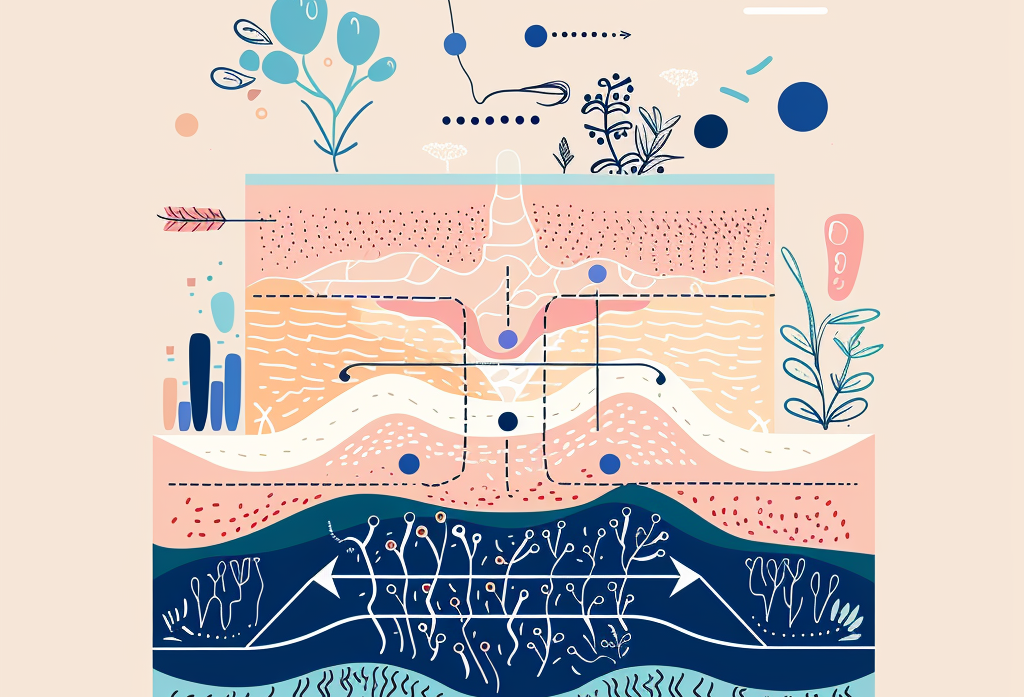
What Makes Castor Oil Unique?
Most plant oils contain a mixture of fatty acids.
Castor oil is unusual because it is composed primarily of:
Ricinoleic acid
This fatty acid accounts for roughly 85–90% of castor oil composition.
Ricinoleic acid has attracted scientific interest because it appears to possess:
- Anti-inflammatory activity
- Moisturizing properties
- Pain-modulating effects
- Possible antimicrobial actions
This does not mean castor oil is a cure-all.
But it does explain why the oil behaves differently from many other vegetable oils.
Castor Oil and Inflammation
Inflammation is one of the most discussed topics in modern health science.
Short-term inflammation is protective.
Chronic inflammation becomes harmful.
Persistent inflammatory signaling is associated with:
- Joint discomfort
- Metabolic dysfunction
- Cardiovascular disease
- Neurodegeneration
- Immune dysregulation
Some laboratory studies suggest ricinoleic acid may interact with inflammatory pathways.
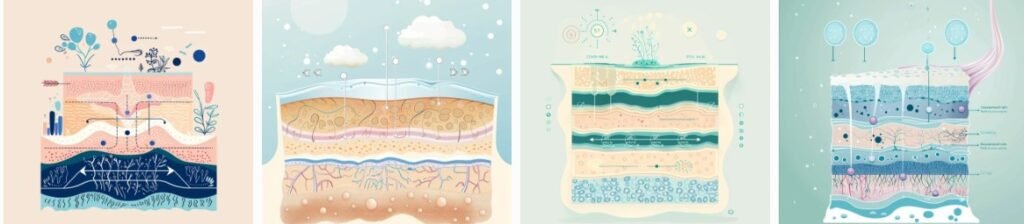
Potential mechanisms include:
- Modulation of prostaglandins
- Interaction with pain receptors
- Local tissue effects
- Changes in inflammatory signaling molecules
This is one reason castor oil has historically been used topically for discomfort and skin applications.
However, evidence for large systemic anti-inflammatory effects from castor oil packs remains limited.
That distinction is important.
The Heat Factor Is Often Ignored
Most castor oil pack routines include:
- Warm compresses
- Heating pads
- Extended rest periods
Heat alone influences the body in powerful ways.
Thermal therapy may help:
- Increase circulation
- Relax muscles
- Reduce tension
- Improve tissue flexibility
- Calm the nervous system
Many benefits attributed to castor oil packs may partly come from:
Heat-induced physiological relaxation
rather than the oil itself.
That does not invalidate the experience.
It simply means the mechanism may differ from the marketing narrative.
Can Castor Oil Penetrate the Skin?
Human skin acts as a selective barrier.
Some compounds can penetrate it — especially fat-soluble molecules.
Research suggests ricinoleic acid can interact with the skin surface and possibly enter superficial tissue layers.
Potential effects include:
- Skin hydration
- Barrier support
- Local tissue interaction
- Softening effects
But claims that castor oil deeply penetrates organs or massively detoxifies the liver are not strongly supported by evidence.
The body’s major detoxification systems remain:
- Liver
- Kidneys
- Gastrointestinal tract
- Lymphatic system
No strong evidence demonstrates that topical castor oil dramatically enhances toxin elimination.

Why the Gut–Brain–Stress Connection Matters
One of the most overlooked explanations for reported benefits involves:
Nervous system regulation
Modern life produces chronic sympathetic activation.
People experience:
- Elevated cortisol
- Sleep disruption
- Digestive stress
- Muscle tension
- anxiety physiology
A castor oil pack session often forces individuals to:
- Lie down quietly
- Apply warmth
- Reduce stimulation
- Rest for 30–60 minutes
This may support parasympathetic activation — the “rest and digest” state.
Parasympathetic dominance can influence:
- Digestive comfort
- Stress hormones
- Sleep quality
- Pain perception
- muscle relaxation
Some users may therefore experience genuine benefits without any mystical detoxification occurring.
Explore practical ways people use castor oil packs as part of their relaxation, self-care, and wellness routines — from warmth therapy to nighttime comfort support.