
The Hidden Role of Sleep in Weight Gain and Metabolic Health
Most people focus on diet and exercise when trying to lose weight. But one of the most overlooked factors in metabolism is sleep.
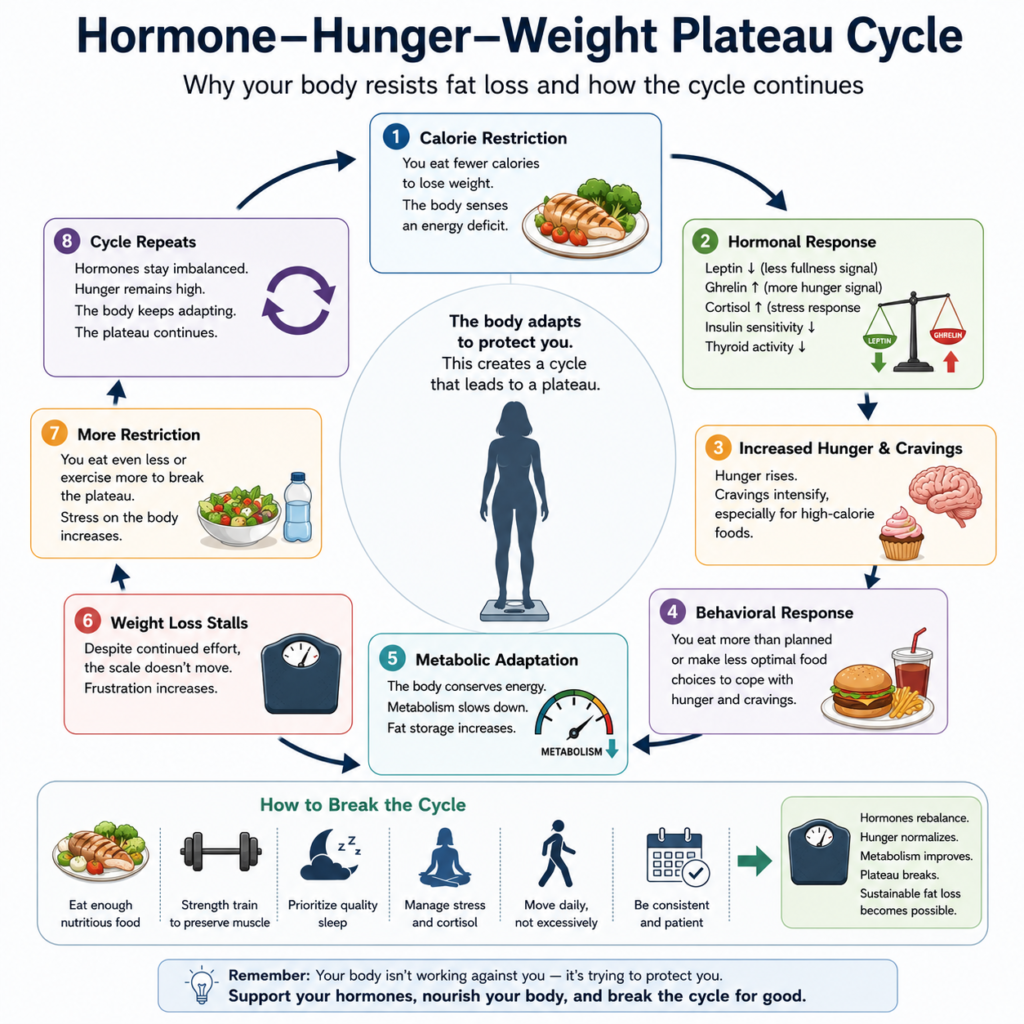
Poor sleep affects nearly every system involved in fat loss:
- appetite regulation
- blood sugar control
- hormone balance
- energy production
- recovery
- inflammation
- stress regulation
In many cases, chronic sleep deprivation quietly sabotages weight-loss efforts even when people are eating better and exercising consistently.

Modern Society Is Sleep-Deprived
Humans evolved with natural light-dark cycles. Today, modern lifestyles constantly disrupt those biological rhythms.
Common causes of poor sleep include:
- excessive screen time
- artificial light exposure at night
- shift work
- chronic stress
- caffeine overload
- inconsistent schedules
- poor sleep environments
As sleep quality declines, metabolism often suffers.
Sleep Directly Controls Hunger Hormones
Two major hormones regulate appetite:
- ghrelin, which increases hunger
- leptin, which signals fullness
Sleep deprivation increases ghrelin while lowering leptin.
This creates a powerful biological drive to eat more, especially calorie-dense foods rich in sugar and fat.
People who are sleep-deprived often experience:
- stronger cravings
- emotional eating
- increased snacking
- nighttime hunger
- reduced satiety after meals
The issue is not simply lack of discipline. The brain itself becomes more reward-seeking under sleep deprivation.
Poor Sleep Worsens Insulin Resistance
Sleep also affects blood sugar regulation.
Even short-term sleep restriction can reduce insulin sensitivity, making it harder for cells to absorb glucose effectively.
This may contribute to:
- elevated blood sugar
- increased fat storage
- fatigue after meals
- metabolic dysfunction
Over time, chronic poor sleep is associated with obesity, diabetes, and cardiovascular disease.

Cortisol and Stress Increase With Sleep Loss
The body interprets sleep deprivation as a stress signal.
This increases cortisol production.
Chronically elevated cortisol may:
- increase abdominal fat storage
- raise appetite
- worsen inflammation
- impair recovery
- increase emotional eating
Many people trapped in stressful lifestyles enter a cycle where stress disrupts sleep, poor sleep worsens metabolism, and metabolic dysfunction increases fatigue and stress even further.
Sleep Affects Exercise Recovery
Muscle recovery and hormonal repair occur during deep sleep.
Poor sleep may reduce:
- muscle growth
- exercise performance
- energy production
- recovery capacity
This can lower motivation for physical activity and reduce the metabolic benefits of exercise.

Sleep is not passive downtime. It is active biological repair.
Circadian Rhythm and Metabolism
The body operates on circadian rhythms that regulate:
- hormones
- digestion
- temperature
- insulin sensitivity
- energy production
Late-night eating and irregular sleep schedules may disrupt these rhythms.
Research increasingly suggests that when we eat may matter alongside what we eat.
Eating large meals late at night may impair glucose control compared to eating earlier in the day.
Sleep and Fat Burning
During high-quality sleep, the body supports:
- cellular repair
- hormonal balance
- growth hormone release
- nervous system recovery
Chronic sleep deprivation may reduce metabolic flexibility and impair fat oxidation.
This makes sustainable fat loss more difficult.
Practical Strategies to Improve Sleep
Simple lifestyle changes can significantly improve sleep quality:
- maintain a consistent bedtime
- reduce screens before sleep
- limit caffeine later in the day
- keep the bedroom cool and dark
- increase daytime sunlight exposure
- walk regularly
- reduce late-night eating
- practice stress reduction techniques
Consistency matters more than perfection.
The Connection Between Sleep and Long-Term Health

Poor sleep is associated with:
- obesity
- insulin resistance
- hypertension
- depression
- neurodegeneration
- weakened immunity
Sleep is foundational for metabolic resilience and longevity.
Final Thoughts
Many people trying to lose weight focus only on food and exercise while ignoring sleep entirely.
But metabolism depends heavily on recovery.
The body cannot function optimally when sleep is chronically disrupted.
Improving sleep quality may be one of the most powerful — and underestimated — tools for sustainable fat loss and long-term metabolic health.
Explore Science-Based Guides for Preventive metabolism Care and Healthy