
The Hidden Role of Inflammation in Joint Pain and Mobility Decline
Joint discomfort is often blamed entirely on age or physical wear. But many researchers now believe inflammation may play a central role in how joints feel, function, and recover over time.
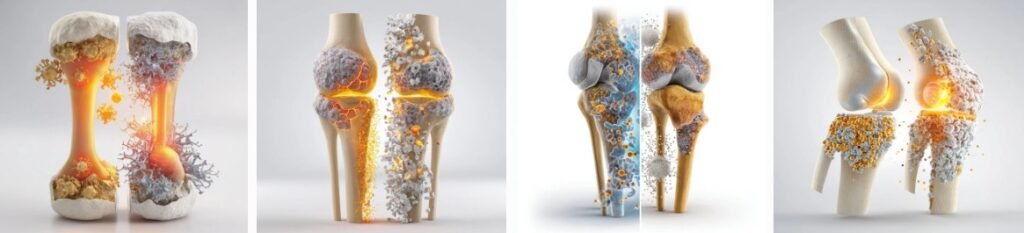
Inflammation is a normal biological process. It helps the body repair injury, fight infection, and respond to stress.
The problem begins when inflammation becomes chronic.
Instead of short-term healing, the body may enter a state of persistent low-grade inflammatory activity that slowly affects tissues throughout the body — including joints, muscles, tendons, ligaments, and connective tissue.
This chronic inflammatory state has become increasingly common in modern society.
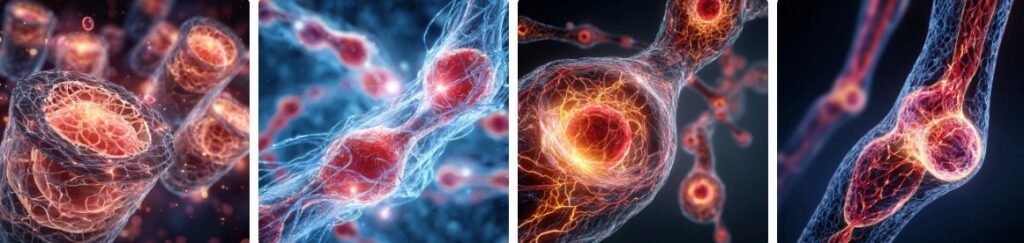
Understanding Chronic Low-Grade Inflammation
Unlike acute inflammation, chronic inflammation may develop quietly over years.
Many people experience symptoms such as:
- Persistent stiffness
- Fatigue
- Reduced flexibility
- Slower recovery
- Muscle soreness
- Swollen joints
- Brain fog
- Reduced exercise tolerance
Inflammatory signaling molecules may gradually influence tissue integrity and recovery capacity.
Researchers continue studying how inflammation contributes to:
- Cartilage degradation
- Oxidative stress
- Mitochondrial dysfunction
- Joint discomfort
- Age-related mobility decline
This is one reason why joint health is increasingly discussed within broader longevity science.

The Modern Lifestyle Problem
Human biology evolved in environments very different from modern life.
Today’s world often includes:
- Sedentary behavior
- Processed foods
- Sleep disruption
- Chronic psychological stress
- Environmental toxins
- Excess calorie intake
- Limited movement
- High sugar consumption
These factors may collectively contribute to chronic inflammatory stress.
The result is not just joint discomfort.
Inflammation may influence cardiovascular health, metabolic health, cognitive aging, immune balance, and overall resilience.
Body Fat and Inflammation
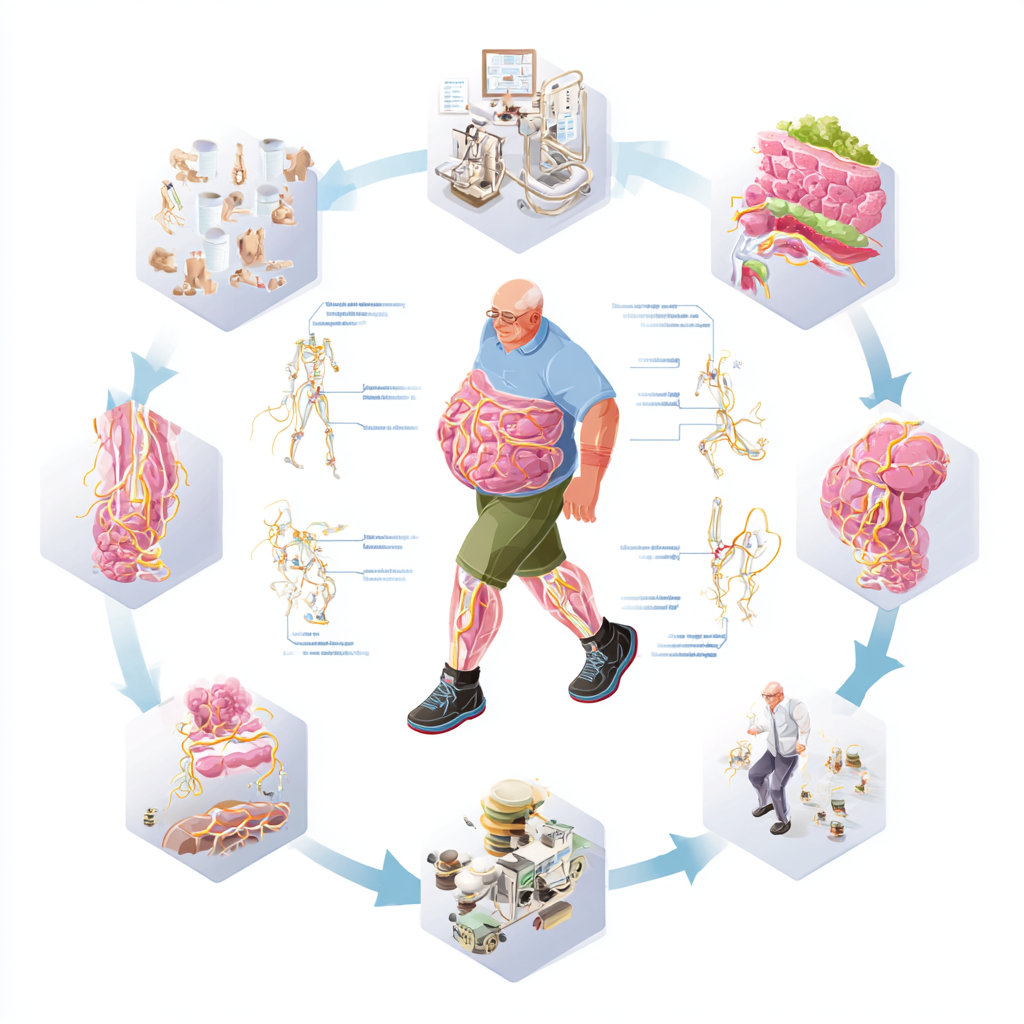
Fat tissue is not simply stored energy.
Adipose tissue functions as an active endocrine organ that releases inflammatory compounds.
Higher body fat levels may increase systemic inflammatory signaling, which may affect joint tissues over time.
This helps explain why weight management is often associated with improved mobility and comfort.
Reducing inflammatory burden may support:
- Movement
- Recovery
- Energy levels
- Physical resilience
Nutrition and Inflammatory Balance
Diet strongly influences inflammatory biology.
Highly processed diets rich in refined sugars, ultra-processed oils, and excessive calorie intake may promote inflammatory stress in some individuals.
Meanwhile, whole-food dietary patterns may support healthier inflammatory balance.
Researchers frequently study foods such as:
- Fatty fish
- Berries
- Leafy greens
- Olive oil
- Nuts
- Fiber-rich foods
- Colorful vegetables
- Polyphenol-rich plants
Some ingredients commonly discussed in joint wellness include:
- Curcumin
- Omega-3 fatty acids
- Boswellia
- Collagen peptides
- Glucosamine
- Chondroitin
Scientific results vary, but many people explore these compounds as part of broader wellness strategies.
The Gut–Inflammation Connection
Emerging research suggests the gut microbiome may influence systemic inflammation.
The digestive system interacts closely with:
- Immune function
- Metabolism
- Nutrient absorption
- Inflammatory signaling
Poor gut health may contribute to broader inflammatory imbalance.
This is why some preventive health approaches now examine the relationship between:
Gut health → inflammation → mobility → healthy aging
The body operates as an integrated system.

Sleep and Inflammation
Sleep deprivation may increase inflammatory activity.
Even short-term poor sleep may influence:
- Recovery
- Pain sensitivity
- Stress hormones
- Exercise capacity
- Immune balance
People with chronic joint discomfort often experience sleep disruption, which may further worsen recovery.
This creates a feedback loop:
Pain → poor sleep → higher inflammation → worse recovery
Supporting sleep quality may therefore play an important role in healthy movement and recovery.

Stress and Joint Health
Psychological stress influences biology more deeply than many people realize.
Chronic stress may affect:
- Cortisol balance
- Immune regulation
- Muscle tension
- Pain sensitivity
- Recovery systems
The nervous system and immune system are deeply interconnected.
Stress management strategies such as walking, mindfulness, breathing exercises, social support, and restorative movement may indirectly support joint wellness through inflammatory regulation.
Exercise as Anti-Inflammatory Medicine
Regular physical activity is one of the strongest lifestyle tools associated with reduced inflammatory burden.
Movement supports:
- Circulation
- Muscle preservation
- Metabolic health
- Synovial fluid flow
- Mitochondrial function
- Recovery pathways
Moderate exercise may help regulate inflammatory signaling more effectively than complete inactivity.
Consistency matters more than intensity.

Healthy Aging and Mobility
Mobility is closely linked to independence and long-term quality of life.
Healthy movement supports:
- Cardiovascular health
- Brain health
- Metabolic resilience
- Emotional well-being
- Social engagement
Protecting joint health is ultimately about protecting human function.
Final Thoughts
Inflammation is not the enemy.
It is a vital biological process.
But when inflammation becomes chronic, it may slowly undermine the systems that support movement, recovery, and resilience.
A systems-based approach to joint wellness recognizes that mobility depends on the health of the entire body.
The future of healthy aging may depend less on isolated treatments — and more on restoring balance across interconnected biological systems.
Post 3 — Why Mobility May Be One of the Most Important Longevity Biomarkers
Longevity is often discussed in terms of lifespan.
But healthy aging is about more than years.
It is about maintaining the ability to move, function, think clearly, remain independent, and enjoy daily life.
Mobility may be one of the most overlooked predictors of long-term health.
Researchers increasingly recognize that movement capacity reflects the condition of multiple biological systems simultaneously.
Healthy mobility depends on:
- Muscles
- Joints
- Bones
- Circulation
- Brain function
- Balance systems
- Mitochondrial energy
- Nervous system coordination
- Inflammatory balance
This is why declining mobility often predicts broader health decline.

Movement Is a Whole-Body Signal
Walking speed, balance, grip strength, and flexibility are sometimes called “functional biomarkers.”
These measurements may reflect biological age more effectively than chronological age alone.
People who maintain movement capacity often preserve:
- Cardiovascular fitness
- Muscle mass
- Metabolic flexibility
- Cognitive function
- Independence
Movement is deeply connected to survival biology.
The Muscle–Longevity Connection
Muscle tissue is increasingly recognized as a major organ of healthy aging.
Muscles help regulate:
- Glucose metabolism
- Insulin sensitivity
- Inflammatory signaling
- Physical resilience
- Fall prevention
Age-related muscle loss may contribute to:
- Frailty
- Joint instability
- Reduced mobility
- Injury risk
Strength preservation is therefore essential for mobility longevity.
Start protecting your mobility today — one small step can support stronger joints, better movement, and healthier aging.