
Inflammation, Metabolism, and Prostate Health
The Biology of Aging Systems

For many years, prostate health was viewed mainly as a localized issue involving hormones and aging.
But modern research increasingly suggests the prostate is connected to larger biological systems throughout the body.
This systems-based perspective is changing how researchers think about:
- Prostate enlargement
- Urinary symptoms
- Inflammation
- Hormonal balance
- Metabolic dysfunction
- Healthy aging
The prostate does not exist in isolation.
It responds continuously to the body’s metabolic, immune, and inflammatory environment.
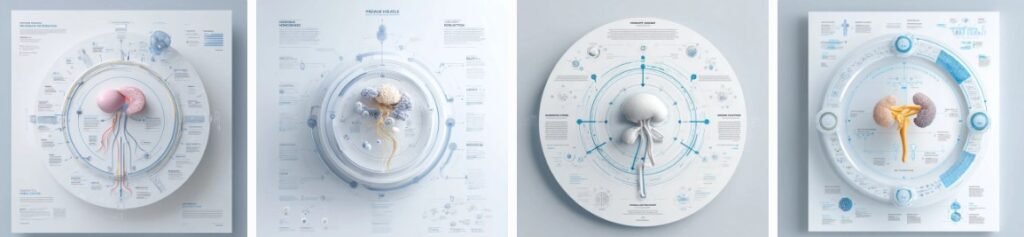
Chronic Inflammation and Aging
One of the most important concepts in modern longevity science is chronic low-grade inflammation.
Researchers sometimes call this “inflammaging.”
Unlike acute inflammation from injury or infection, chronic inflammation may persist silently for years.
Potential contributors include:
- Poor diet quality
- Obesity
- Sedentary behavior
- Sleep disruption
- Smoking
- Environmental stress
- Chronic psychological stress
Over time, this inflammatory burden may influence multiple organs, including the prostate.
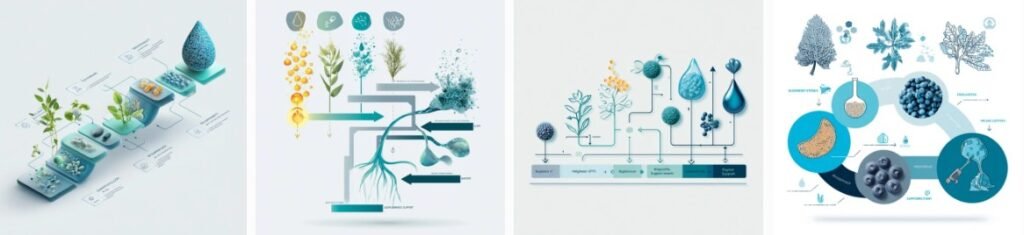
Prostate Tissue and Inflammatory Signaling
Studies have identified inflammatory changes in many men experiencing prostate enlargement or urinary symptoms.
Inflammatory pathways may contribute to:
- Tissue swelling
- Cellular stress
- Altered urinary function
- Age-related prostate changes
This does not mean inflammation alone causes prostate problems, but it may represent one important piece of the puzzle.

Visceral Fat and Hormonal Balance
Excess abdominal fat, especially visceral fat surrounding internal organs, is metabolically active.
Visceral fat releases inflammatory compounds and influences hormonal signaling.
This may affect:
- Insulin sensitivity
- Testosterone metabolism
- Estrogen balance
- Inflammatory pathways
Researchers increasingly recognize links between metabolic dysfunction and urinary symptoms in aging men.

Blood Sugar and Prostate Function
Metabolic health and prostate health appear more connected than once believed.
Some studies suggest associations between:
- Insulin resistance
- Obesity
- Metabolic syndrome
- Lower urinary tract symptoms
High insulin levels may influence growth signaling and inflammatory pathways throughout the body.
This is why modern preventive medicine increasingly focuses on metabolic resilience rather than isolated disease treatment.
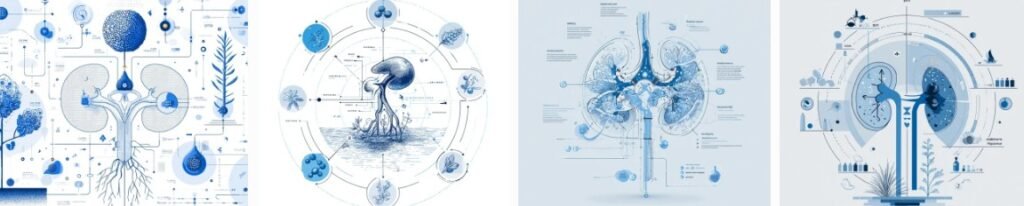
Circulation and Tissue Health
Healthy circulation supports oxygen delivery and nutrient transport to tissues throughout the body.
Poor vascular health may contribute to aging-related dysfunction across multiple organ systems.
Lifestyle factors supporting vascular health include:
- Regular movement
- Balanced nutrition
- Blood pressure management
- Sleep quality
- Smoking reduction
Because the prostate relies on healthy circulation like every other organ, cardiovascular health may indirectly support prostate wellness.
Oxidative Stress and Cellular Aging
Cells naturally produce reactive oxygen species during metabolism.
When oxidative stress becomes excessive, cellular damage may accumulate over time.
Antioxidants from whole foods may help support balance within these systems.
Foods rich in antioxidants include:
- Tomatoes
- Berries
- Leafy greens
- Cruciferous vegetables
- Nuts and seeds
Lycopene, found in tomatoes, has become especially interesting in prostate research.
Exercise and Men’s Health
Physical activity influences many systems associated with prostate wellness.
Exercise may help support:
- Weight regulation
- Insulin sensitivity
- Inflammation balance
- Hormonal health
- Sleep quality
- Cardiovascular function
Sedentary behavior, on the other hand, may worsen metabolic dysfunction over time.
Even moderate movement may provide meaningful long-term benefits.

Stress and Hormonal Regulation
Chronic stress affects the nervous system, immune signaling, metabolism, and hormonal balance.
Persistent stress may increase:
- Cortisol levels
- Inflammatory activity
- Sleep disruption
- Emotional eating patterns
The body’s systems remain interconnected continuously.
Mental health and physical health cannot truly be separated.
Supplements as Supportive Tools
Many prostate support supplements aim to influence inflammatory or hormonal pathways.
Ingredients commonly studied include:
- Saw palmetto
- Beta-sitosterol
- Zinc
- Pumpkin seed extract
- Pygeum
- Lycopene
Science generally suggests these ingredients may provide supportive—not miraculous—benefits.
Lifestyle patterns still remain foundational.

The Future of Prostate Health
The future of men’s health may increasingly combine:
- Lifestyle medicine
- Precision prevention
- Biomarker monitoring
- Nutritional science
- Preventive screening
- Healthy aging strategies
Rather than treating symptoms in isolation, systems biology focuses on supporting the entire human organism.

This broader perspective may help men better understand prostate health as part of lifelong metabolic and inflammatory balance.
👉 Explore science-based prostate support supplement comparisons and ingredient quality.