
Mitochondria and Memory: The Cellular Engines Behind Cognitive Performance
When people think about memory, they often imagine neurons firing across complex networks.
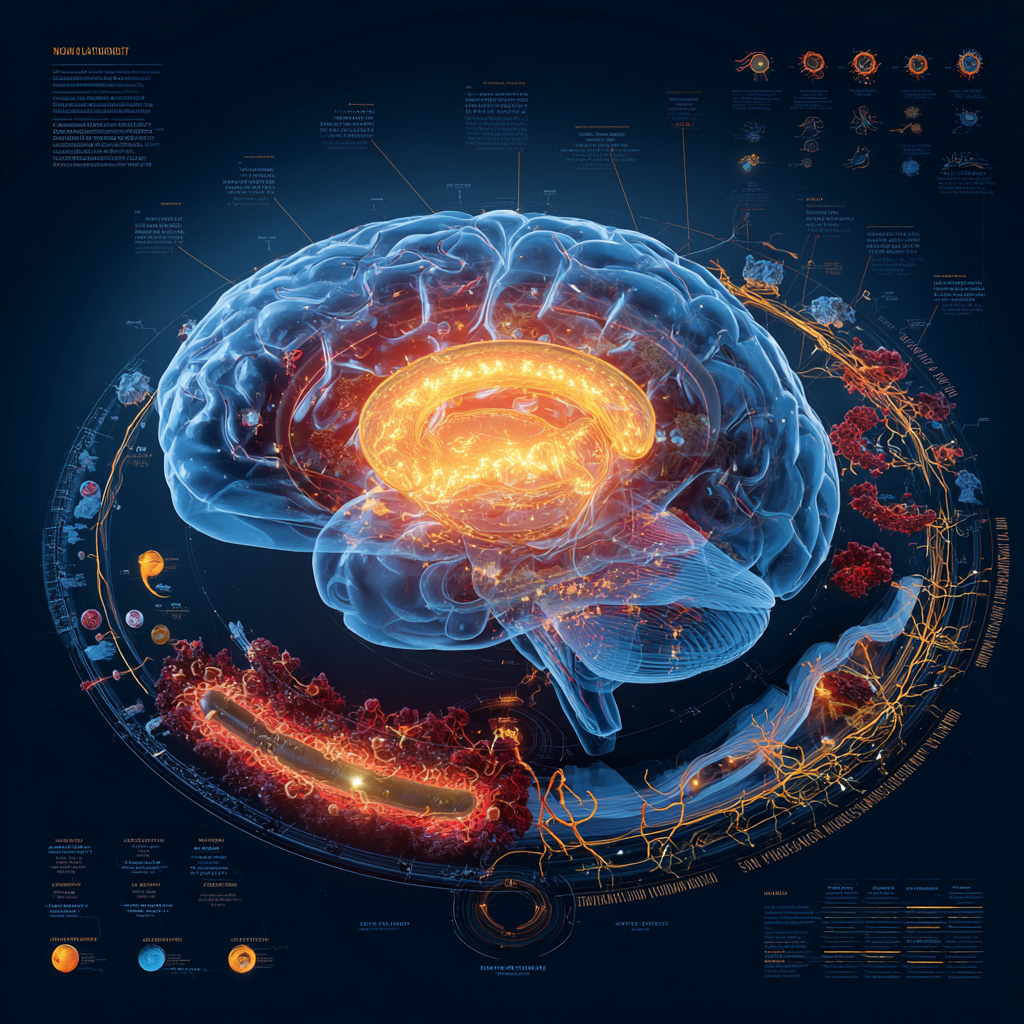
What receives less attention is the infrastructure supporting those networks.
Behind every memory lies energy.
And behind that energy are mitochondria.
What Are Mitochondria?
Mitochondria are specialized structures found within nearly every cell.
Their primary role is converting nutrients into ATP.

In the brain, ATP supports:
- Synaptic transmission
- Learning
- Memory formation
- Neurotransmitter recycling
- Cellular maintenance
Without adequate ATP, neurons struggle to function efficiently.
Mitochondria and Aging
As we age, mitochondrial efficiency may decline.
Changes can include:
- Increased oxidative stress
- Reduced ATP output
- DNA damage
- Impaired repair mechanisms
The result may be reduced cognitive resilience.
The Free Radical Balance
Energy production naturally creates reactive oxygen species.
In moderation, these molecules participate in signaling pathways.
Problems arise when antioxidant defenses become overwhelmed.

Excess oxidative stress may affect:
- Lipid membranes
- Proteins
- Mitochondrial DNA
- Synaptic integrity
Maintaining balance becomes increasingly important.
Nutritional Support for Brain Energy
Research continues to explore how dietary patterns influence mitochondrial health.
Areas of interest include:
Mediterranean-Style Eating
Rich in:
- Vegetables
- Fruits
- Olive oil
- Fish
- Legumes
- Nuts
Associated with healthier aging outcomes.
Omega-3 Fatty Acids
Important components of neuronal membranes.
May support:
- Synaptic flexibility
- Anti-inflammatory pathways
Polyphenols
Found in:
- Berries
- Green tea
- Cocoa
Studied for antioxidant properties.
Exercise as Mitochondrial Medicine
Few interventions influence mitochondria as broadly as movement.

Regular activity stimulates:
- Mitochondrial biogenesis
- Blood flow
- BDNF production
- Insulin sensitivity
Walking alone may provide meaningful benefits.
Sleep and Cellular Renewal
During sleep, the brain enters restorative phases.
These periods support:
- Memory consolidation
- Waste clearance
- Mitochondrial maintenance
Sleep deprivation compromises these processes.
Cognitive Activity Matters
The brain adapts to challenge.
Activities that stimulate learning may support neural efficiency:
- Reading
- Language learning
- Music practice
- Strategic games
- Social interaction
Mental engagement complements biological support.
Building a Brain Energy Lifestyle
Rather than relying on a single intervention, long-term resilience appears to emerge from consistent habits.
Small actions repeated daily often outperform dramatic but unsustainable efforts.
Key Takeaway
Brain fog often reflects systemic imbalance rather than personal failure.
Addressing sleep, stress, movement, and metabolic health may improve mental clarity over time.
👉 Explore the Brain Energy Reset Support Guide
Science-Based Insights Into The Brain Energy Reset, Aging, and Brain Function