
The Future of Metabolic Health
Personalized Prevention, AI, and the Next Era of Longevity
Metabolic health is entering a new era.
For decades, healthcare focused primarily on treating disease after symptoms appeared.
But preventive medicine is increasingly shifting toward prediction, personalization, and early metabolic optimization.
The future may look very different from traditional reactive healthcare.
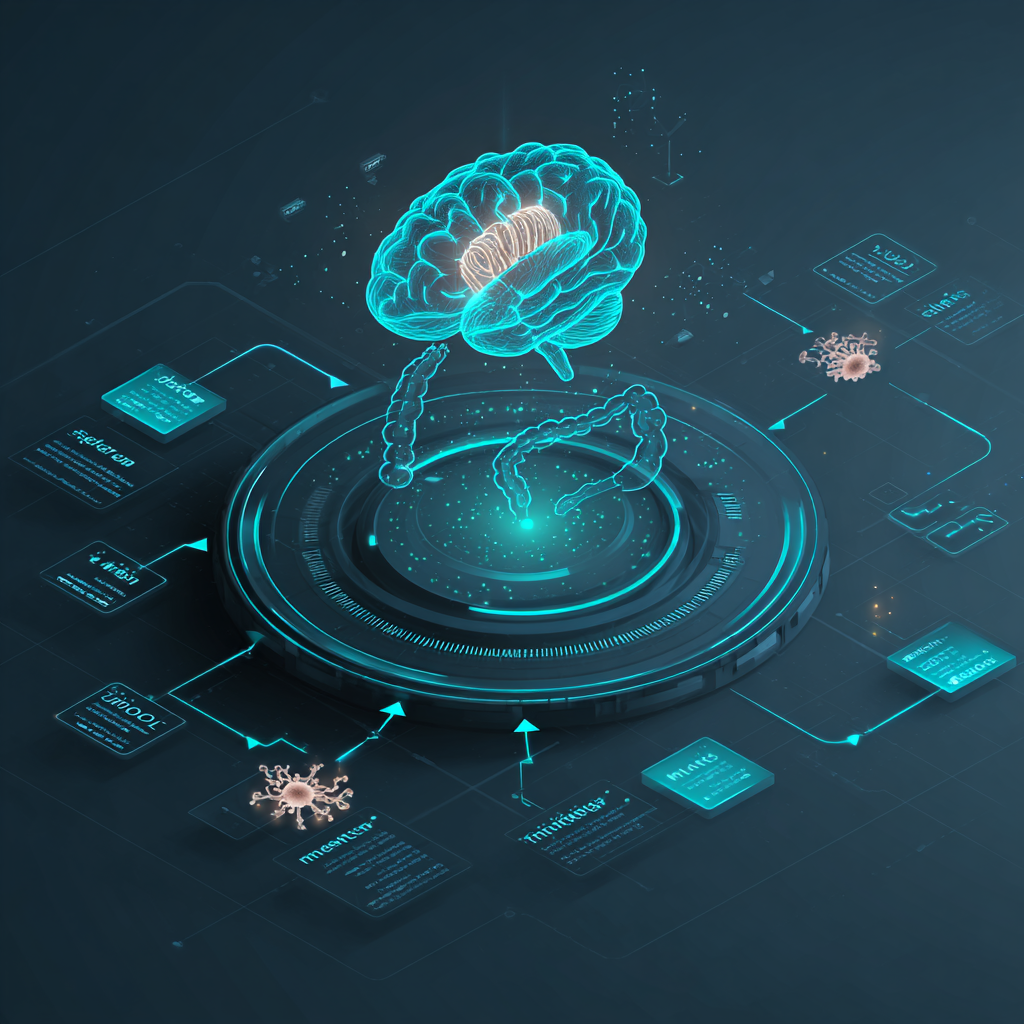
Metabolism: The Intelligent Engine of Human Health
This illustration portrays metabolism as a dynamic control system centered around the brain, emphasizing that metabolic health extends far beyond calorie balance.
The brain continuously integrates signals from hormones, nutrients, immune activity, and energy availability to regulate appetite, glucose control, fat storage, and cellular function. Mitochondria convert nutrients into usable energy, while feedback loops maintain physiological balance. When these communication networks become disrupted through stress, poor nutrition, inactivity, or sleep deprivation, metabolic dysfunction can emerge, increasing the risk of obesity, diabetes, cardiovascular disease, and accelerated aging.
Understanding metabolism as an interconnected biological network shifts healthcare from reactive treatment toward proactive prevention and long-term health optimization.
Metabolic health is not defined by body weight alone. It reflects the body’s ability to efficiently produce energy, adapt to changing demands, and maintain balance across interconnected systems. By protecting metabolic flexibility through nutrition, movement, sleep, and stress regulation, we lay the foundation for resilience, healthy aging, and lifelong vitality.
From Reactive Care to Predictive Health
Historically, many metabolic problems were detected late:
- Diabetes after years of insulin resistance
- Cardiovascular disease after arterial damage
- Obesity after long-term dysfunction
Emerging technologies may help identify risk patterns earlier.
The Rise of Biomarker Tracking
Modern metabolic tracking may include:
- Blood glucose
- Insulin markers
- Inflammatory biomarkers
- Sleep metrics
- Heart rate variability
- Body composition
- Biological age assessment
These tools may help individuals understand how lifestyle patterns affect long-term health trajectories.
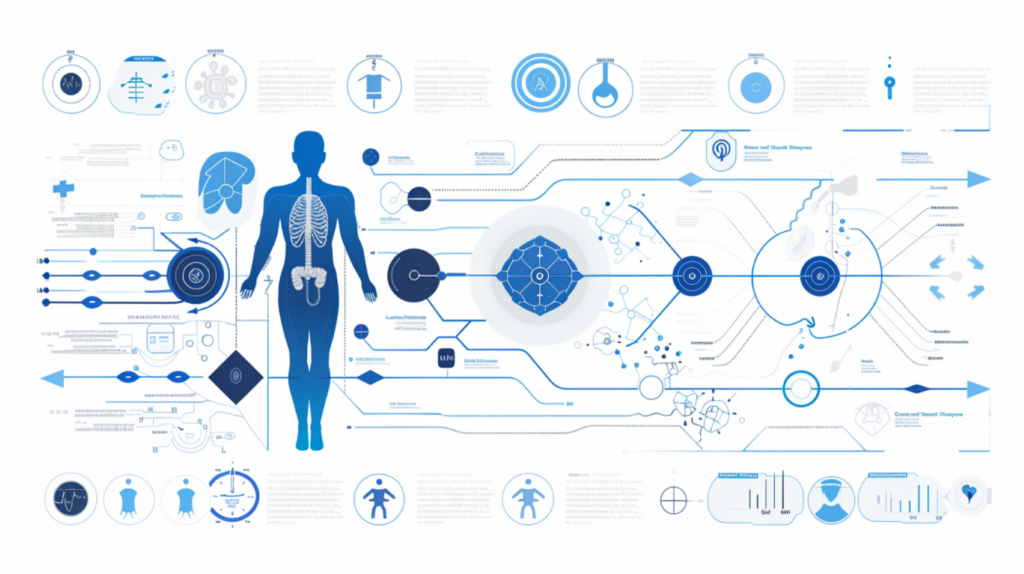
The Metabolic Network: A Systems View of Human Health
This diagram illustrates metabolism as an integrated network connecting the brain, endocrine system, immune function, digestive organs, and cellular energy pathways. Rather than operating as isolated processes, these systems constantly exchange information to regulate glucose balance, nutrient utilization, hormonal signaling, inflammation, and energy production. The body’s ability to adapt to changing demands depends on the efficiency of these communication networks. When disrupted by chronic stress, poor nutrition, physical inactivity, or inadequate sleep, metabolic resilience declines and disease risk rises. Viewing metabolism through a systems biology lens highlights the importance of prevention, early intervention, and lifestyle strategies that support long-term vitality, healthy aging, and optimal human performance.
AI and Metabolic Intelligence
Artificial intelligence may increasingly help analyze:
- Nutrition patterns
- Sleep quality
- Activity data
- Glucose responses
- Personalized risk factors
Future systems may create individualized metabolic recommendations based on real-time biological feedback.
This could transform preventive medicine.
Personalized Nutrition
Not everyone responds to food in the same way.
Emerging research suggests that:
- Genetics
- Gut microbiome diversity
- Sleep patterns
- Activity levels
- Stress responses
may influence metabolic outcomes.
The future of nutrition may become increasingly personalized rather than one-size-fits-all.

Metabolism: The Hidden Fire of Life
Metabolism is the invisible force that transforms nutrients into the energy required for every heartbeat, thought, movement, and cellular repair process. Like streams of light flowing through the body, metabolic pathways connect organs, hormones, and mitochondria into an integrated energy network. When balanced, metabolism supports vitality, resilience, and healthy aging. When disrupted by poor nutrition, stress, inactivity, or inflammation, energy production declines and chronic disease risk rises. Understanding metabolism reveals that health is not simply the absence of illness—it is the continuous orchestration of energy that sustains life itself.
You may also view metabolism as the body’s communication system, translating environmental signals into biological responses. Every meal, movement, and hour of sleep influences this dynamic network. Healthy metabolism enables adaptability and efficient energy use, while metabolic dysfunction gradually accelerates inflammation, fatigue, and aging. Protecting metabolic health is therefore one of the most powerful investments in long-term vitality and disease prevention.

Metabolism: The Intelligent Network of Life
Metabolism is far more than calorie burning—it is the body’s sophisticated operating system for sustaining life.
At the cellular level, billions of biochemical reactions transform nutrients into usable energy, regulate hormones, repair tissues, and maintain internal balance. This intricate network connects mitochondria, immune cells, nerves, blood vessels, and organs through constant biochemical communication.
Every choice we make—what we eat, how we move, how we sleep, and how we manage stress—shapes these metabolic pathways. When functioning optimally, metabolism supports vitality, mental clarity, resilience, and healthy aging. When disrupted, it contributes to inflammation, insulin resistance, fatigue, and chronic disease. Understanding metabolism reveals that long-term health depends on preserving the harmony and adaptability of the body’s interconnected energy systems.
Digital Preventive Medicine
Future metabolic health ecosystems may integrate:
- Wearable devices
- AI health assistants
- Digital biomarkers
- Preventive dashboards
- Precision lifestyle interventions
The goal is earlier intervention before chronic disease develops.
The Longevity Perspective
Metabolic health is increasingly recognized as one of the core foundations of healthy aging.
Healthy metabolism may support:
- Brain resilience
- Cardiovascular protection
- Cognitive longevity
- Physical independence
- Energy production
Prevention-first medicine may become one of the defining health movements of the 21st century.
Building Sustainable Systems
The Metabolism Reset Blueprint is not built around temporary motivation.
It is built around systems thinking.
Long-term health often depends on:
- Consistent habits
- Structured environments
- Sustainable routines
- Biological understanding
- Preventive awareness
Small improvements repeated consistently may produce profound long-term outcomes.
Final Thoughts
The future of metabolic health is not about chasing extreme trends.
It is about building intelligent, personalized, sustainable systems that support lifelong resilience.
The Metabolism Reset Blueprint encourages:
- Preventive thinking
- Systems biology awareness
- Sustainable lifestyle design
- Long-term metabolic protection
Health is not a short-term project.
It is an evolving lifelong system.
Healthy fat loss is rarely about starving yourself.
It’s about rebuilding the biological conditions that help the body feel safe, energized, and metabolically flexible again.