
The Future of Hearing Health
AI, Precision Prevention, and the Next Era of Auditory Wellness
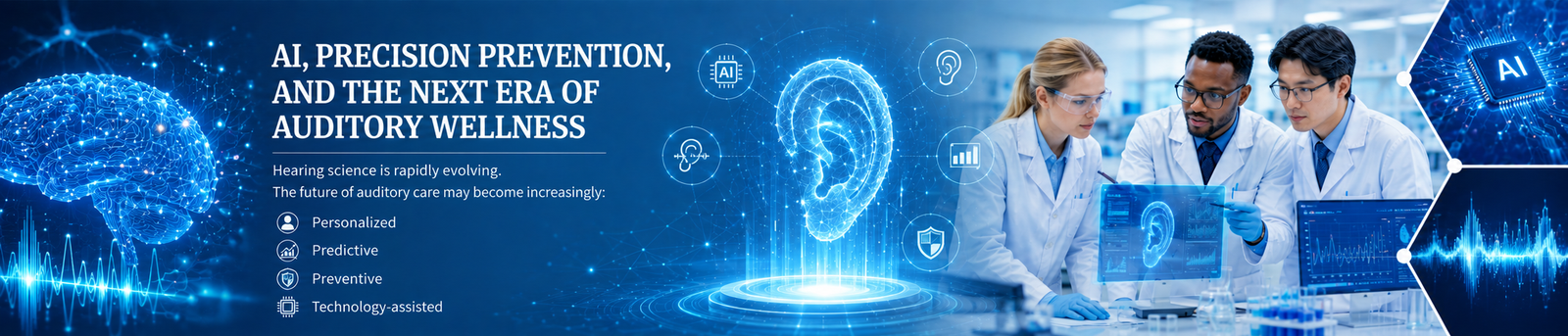
Figure 1. AI, Precision Prevention, and the Next Era of Auditory Wellness
Hearing science is entering a transformative era shaped by artificial intelligence, predictive analytics, and personalized medicine. Rather than waiting until hearing loss significantly affects daily life, future auditory care may focus on identifying subtle changes long before symptoms become disabling. Advances in wearable sensors, digital biomarkers, and machine learning could help clinicians better understand individual hearing profiles and tailor interventions to each person’s unique needs.
The next generation of auditory wellness is expected to be increasingly personalized, predictive, preventive, and technology-assisted. AI-driven tools may support earlier risk assessment, monitor hearing trends over time, and guide more targeted recommendations for lifestyle modifications, hearing protection, and rehabilitation strategies. Combined with growing knowledge of brain–ear communication and healthy aging, these innovations offer a more proactive approach to preserving sensory health. The future of hearing care extends beyond treating impairment—it seeks to optimize lifelong auditory function, communication, cognitive resilience, and overall quality of life.
Hearing science is rapidly evolving.
The future of auditory care may become increasingly:
- Personalized
- Predictive
- Preventive
- Technology-assisted
The Hearing Support Blueprint explores how emerging innovation may reshape hearing wellness in the years ahead.
Earlier Detection
Future hearing systems may identify subtle changes long before major symptoms appear.
Emerging tools may include:
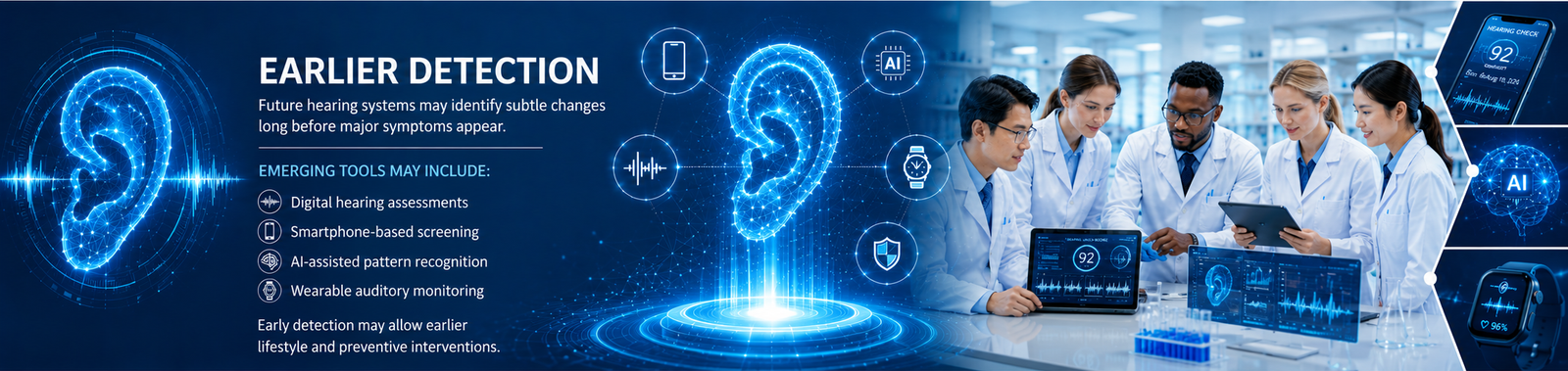
Figure 2. Earlier Detection.
The future of hearing care may begin long before noticeable hearing difficulties arise. Emerging technologies are making it increasingly possible to identify subtle auditory changes at earlier stages, creating new opportunities for proactive intervention. Digital hearing assessments and smartphone-based screening tools may offer convenient ways to monitor hearing health outside of traditional clinical settings. Meanwhile, advances in artificial intelligence could help recognize complex patterns that might otherwise go unnoticed, supporting more individualized risk assessment.
Wearable auditory monitoring devices may further enhance continuous tracking of listening environments and hearing performance over time. Together, these innovations reflect a shift from reactive treatment toward preventive auditory wellness. Earlier detection does not guarantee the prevention of hearing decline, but it may encourage timely lifestyle adjustments, noise protection strategies, and professional evaluation when appropriate. By recognizing changes sooner, individuals may be better equipped to preserve communication abilities, cognitive engagement, independence, and overall quality of life throughout the aging process.
- Digital hearing assessments
- Smartphone-based screening
- AI-assisted pattern recognition
- Wearable auditory monitoring
Early detection may allow earlier lifestyle and preventive interventions.
AI and Auditory Analysis
Artificial intelligence may help analyze:
- Hearing patterns
- Speech recognition changes
- Environmental sound exposure
- Tinnitus trends
AI systems may eventually personalize hearing wellness recommendations based on individual risk profiles.
Brain–Sensory Integration
Future neuroscience may further explore:
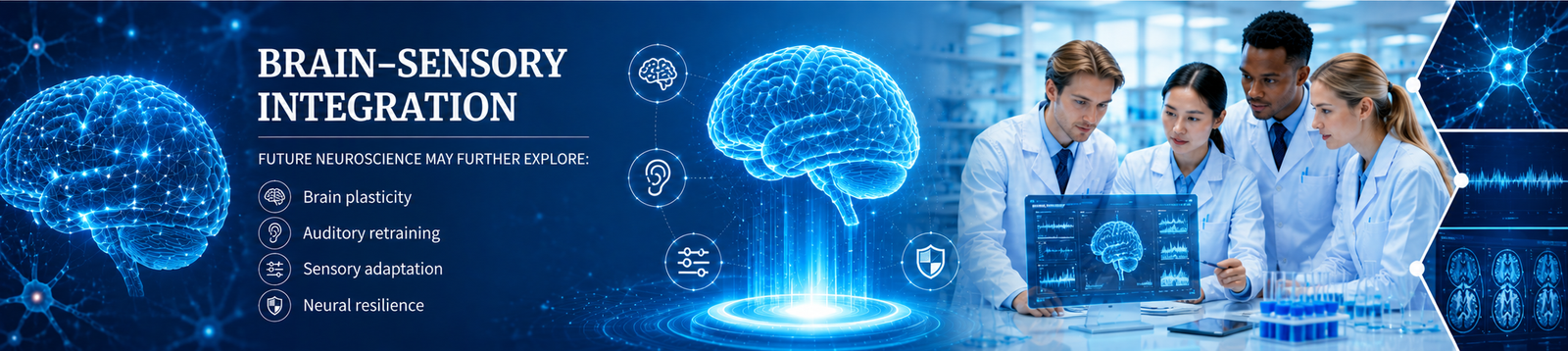
Figure 3. Brain–Sensory Integration
The relationship between the brain and the sensory system is far more dynamic than once believed. Emerging neuroscience suggests that hearing is not solely an ear function—it is an active process shaped by attention, memory, emotion, and the brain’s remarkable capacity for adaptation. Future research may continue to explore how brain plasticity allows neural circuits to reorganize in response to sensory experiences and changing auditory demands.
Auditory retraining strategies may help strengthen listening skills and improve the brain’s ability to interpret sound, particularly in challenging environments. Scientists are also investigating sensory adaptation, the process through which the nervous system adjusts to new information and technologies, including hearing support devices. Equally important is the concept of neural resilience—the brain’s capacity to maintain function and recover from stressors associated with aging and sensory decline.
Understanding brain–sensory integration may open new pathways toward preserving communication, cognitive vitality, independence, and quality of life throughout the lifespan.
- Brain plasticity
- Auditory retraining
- Sensory adaptation
- Neural resilience
The relationship between hearing and cognitive health will likely become an increasingly important area of preventive medicine.
Personalized Prevention
The future of hearing wellness may combine:
- Genetics
- Biomarkers
- Lifestyle analysis
- Environmental exposure data
- Sensory performance tracking
This systems-based approach may improve individualized prevention strategies.
Prevention Civilization
Modern healthcare often waits until severe symptoms emerge.
The future may shift toward:
- Earlier protection
- Sensory resilience education
- Environmental awareness
- Long-term preventive thinking
Protecting hearing may become part of broader longevity medicine.
Final Thoughts
The future of auditory wellness is not only about devices or treatment technologies.
It is about understanding hearing as part of the larger human longevity system.
The Hearing Support Blueprint encourages:
- Preventive awareness
- Systems-based thinking
- Sensory protection
- Brain health support
- Sustainable lifestyle resilience
Healthy hearing may help preserve communication, cognition, emotional well-being, and quality of life across the aging journey.
The ability to hear a loved one’s voice, enjoy music, and stay connected to the world is worth protecting. Begin your journey toward better hearing awareness and lifelong cognitive well-being.