
The Future of Healthy Aging: Mobility, Prevention, and the Rise of Systems-Based Joint Wellness
Healthcare systems have traditionally focused on treating disease after symptoms appear.
But modern preventive medicine is increasingly shifting toward an earlier goal:
Preserving function before major decline occurs.
One of the most important functions to preserve is mobility.
Mobility affects nearly every aspect of healthy aging.
The ability to walk, balance, bend, lift, climb stairs, and remain physically active influences:
- Independence
- Cardiovascular health
- Brain function
- Emotional well-being
- Social connection
- Longevity
This is why joint health is becoming central to the future of preventive wellness.
From Reactive Care to Preventive Mobility Science
Traditional approaches often focus on symptom relief after discomfort becomes severe.
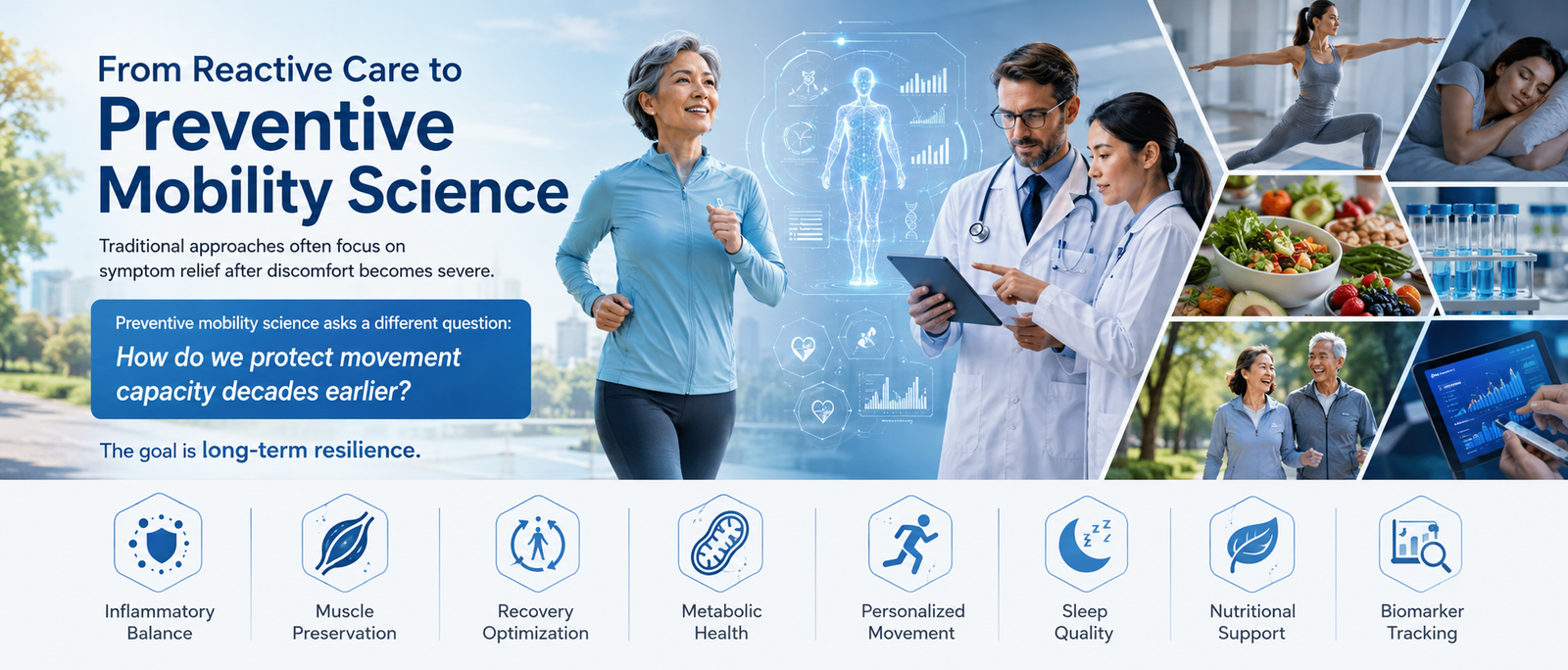
Figure 1. From Reactive Care to Preventive Mobility Science
Traditional healthcare has often addressed mobility problems only after pain, stiffness, or functional limitations become significant enough to interfere with daily life. Preventive mobility science represents a different philosophy—one that focuses on preserving movement capacity long before major decline occurs. Rather than treating isolated symptoms, this systems-based approach recognizes that lifelong mobility depends on the interaction of multiple biological processes.
Factors such as inflammatory balance, muscle preservation, metabolic health, and quality sleep all influence how the body adapts, repairs, and performs over time. Recovery optimization, personalized movement strategies, and adequate nutritional support further contribute to resilience and healthy aging. Advances in biomarker tracking may also help identify subtle physiological changes before noticeable symptoms emerge, creating opportunities for earlier intervention.
The ultimate goal is not merely the absence of disability, but the preservation of strength, independence, and vitality throughout the lifespan. By shifting from reactive treatment to proactive support, preventive mobility science aims to help individuals move well, recover effectively, and maintain an active, fulfilling life for decades to come.
Preventive mobility science asks a different question:
How do we protect movement capacity decades earlier?
This systems-based approach explores:
- Inflammatory balance
- Muscle preservation
- Recovery optimization
- Metabolic health
- Personalized movement
- Sleep quality
- Nutritional support
- Biomarker tracking
The goal is long-term resilience.
Aging Is Multifactorial
Mobility decline rarely has a single cause.
Healthy movement depends on multiple interconnected systems working together.
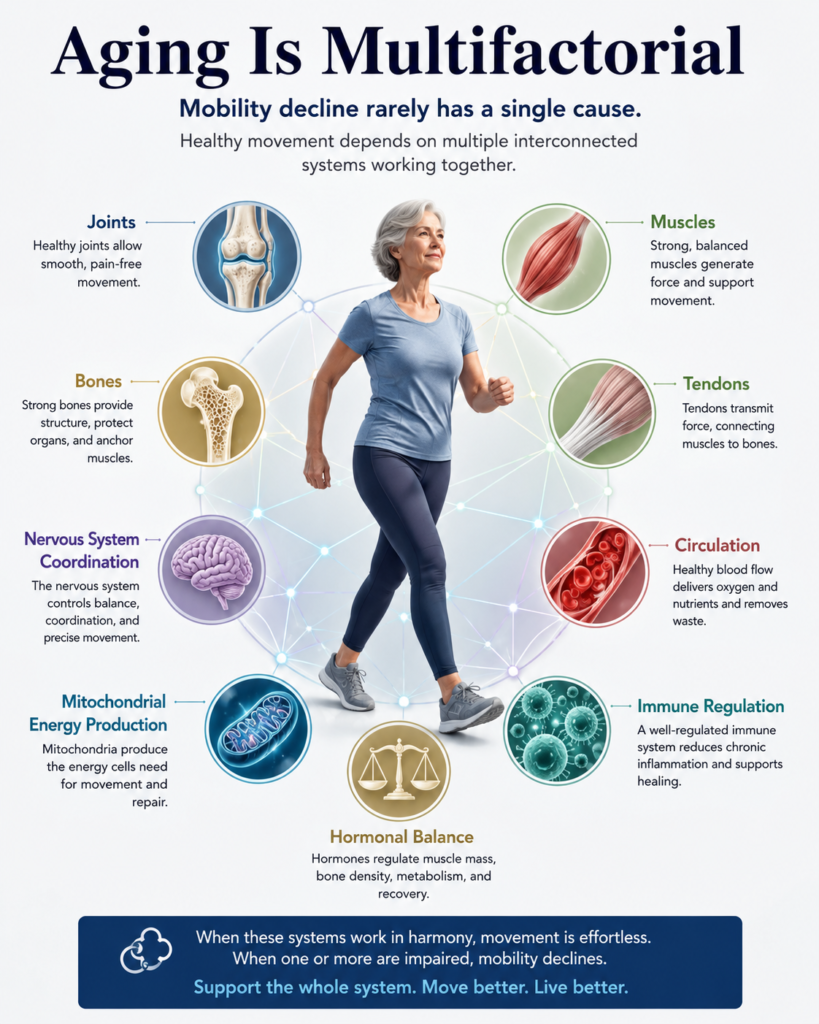
Figure 2. Aging Is Multifactorial
Mobility is one of the clearest indicators of healthy aging, yet movement rarely depends on a single organ or tissue. Instead, it reflects the coordinated function of multiple biological systems working together in harmony. Healthy joints provide flexibility and smooth motion, while muscles generate the strength required for daily activities. Tendons transfer force efficiently between muscles and bones, and a strong skeletal system provides structural support and stability.
The nervous system plays a critical role by regulating balance, coordination, reflexes, and precise movement patterns.
At the same time, an effective circulatory system delivers oxygen and nutrients to active tissues while removing metabolic waste products. Deep within every cell, mitochondria generate the energy needed for muscle contraction, tissue repair, and physical endurance.
Hormonal balance influences muscle mass, bone density, metabolism, and recovery capacity throughout life. Meanwhile, a well-regulated immune system helps control chronic inflammation, supports healing, and protects tissue integrity.
Because these systems are deeply interconnected, changes in one area can affect many others. Supporting healthy aging therefore requires a whole-body perspective. By nurturing strength, energy, resilience, and recovery across multiple systems, individuals may preserve mobility, maintain independence, and continue enjoying an active, fulfilling life as they age.
These include:
- Joints
- Muscles
- Tendons
- Bones
- Nervous system coordination
- Circulation
- Mitochondrial energy production
- Hormonal balance
- Immune regulation
This systems perspective is transforming how people think about healthy aging.
The Rise of Longevity Medicine
Longevity science is increasingly focused on preserving “healthspan” — the years spent functioning well.
Researchers now examine factors such as:
- Walking speed
- Grip strength
- Balance
- Recovery capacity
- Muscle mass
- Biological age
These markers may provide important insight into overall resilience.
Movement is emerging as one of the strongest indicators of long-term vitality.
Why Sedentary Living Is So Dangerous
Modern life encourages inactivity.
Long periods of sitting may contribute to:
- Reduced circulation
- Muscle loss
- Joint stiffness
- Metabolic dysfunction
- Increased inflammatory stress
The body adapts to inactivity surprisingly quickly.
Daily movement acts like biological maintenance for the human system.
Personalized Mobility Strategies
The future of joint wellness may become increasingly personalized.
Not every person responds the same way to:
- Exercise
- Nutrition
- Recovery programs
- Supplements
- Movement patterns
Emerging technologies may eventually help individuals monitor:
- Inflammation markers
- Recovery patterns
- Movement quality
- Sleep data
- Activity levels
- Metabolic signals
AI-driven health systems may support earlier preventive interventions before severe decline occurs.
Joint Health and Brain Health
Researchers increasingly recognize the connection between mobility and cognition.
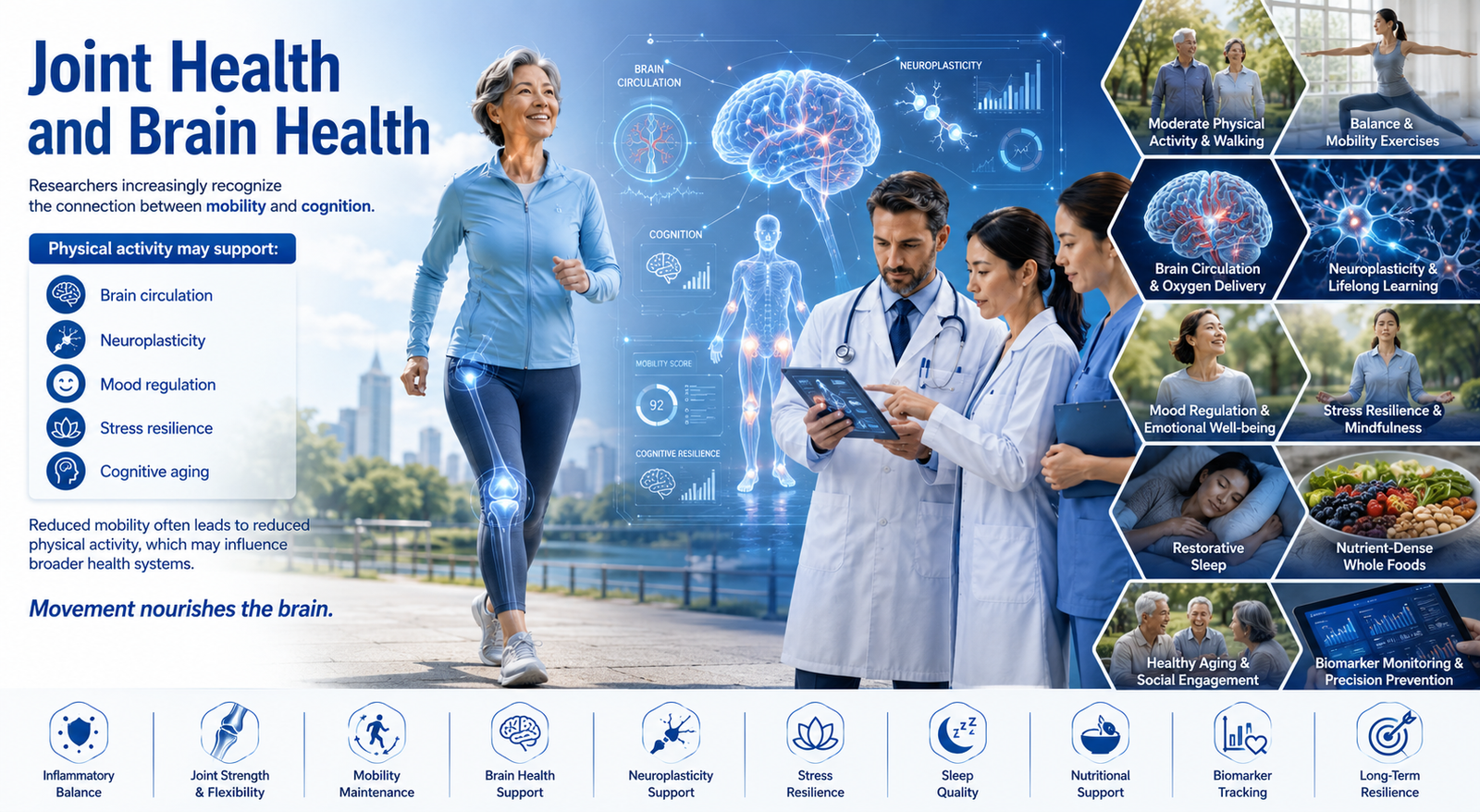
Figure 3. Joint health and brain health are more closely connected than once believed.
Researchers increasingly recognize that movement does more than preserve muscles and joints—it may also support cognitive function throughout the aging process. Regular physical activity has been associated with improved brain circulation, helping deliver oxygen and nutrients essential for neuronal health. Exercise may also promote neuroplasticity, the brain’s ability to adapt and form new connections, which plays an important role in learning and resilience.
Maintaining mobility can further support mood regulation, reduce stress, and encourage social engagement, all of which contribute to overall well-being. In contrast, reduced mobility often leads to decreased physical activity, creating a cycle that may influence multiple biological systems involved in healthy aging.
Protecting joint function is therefore not only about reducing discomfort or maintaining independence. It may also help preserve cognitive vitality and quality of life. As preventive medicine evolves, supporting lifelong movement becomes an important strategy for promoting both physical and brain health.
Movement nourishes the brain.
Physical activity may support:
- Brain circulation
- Neuroplasticity
- Mood regulation
- Stress resilience
- Cognitive aging
Reduced mobility often leads to reduced physical activity, which may influence broader health systems.
Movement nourishes the brain.
The Importance of Consistency
Healthy aging does not depend on perfection.
Small daily habits often matter more than extreme short-term efforts.
Examples include:
- Walking regularly
- Strength training
- Stretching
- Maintaining healthy body weight
- Prioritizing sleep
- Managing stress
- Supporting recovery
- Eating nutrient-dense foods
These habits compound over time.
A Systems-Based View of Joint Wellness
Joint Genesis™ reflects a broader shift toward systems thinking in preventive health.
The body is not a collection of isolated parts.
It is a network of interconnected biological systems constantly communicating with one another.
Mobility depends on maintaining balance across this network.
The future of healthy aging may depend less on isolated symptom management — and more on supporting the entire human system.
Final Thoughts
Healthy movement is one of the foundations of human vitality.
Protecting joints, muscles, flexibility, and mobility is not simply about avoiding discomfort.
It is about preserving freedom, resilience, independence, and quality of life.
The future of joint wellness is becoming increasingly preventive, personalized, and systems-based.
And in many ways, the future of longevity may begin with the simple ability to keep moving.
Start protecting your mobility today — one small step can support stronger joints, better movement, and healthier aging.