
The Brain Energy Reset Blueprint
Building a Long-Term Cognitive Longevity System
The Brain Energy Reset is ultimately about creating sustainable biological resilience.
Brain health is influenced daily by thousands of small decisions involving:
- Sleep
- nutrition
- movement
- stress
- relationships
- environment
- metabolic health
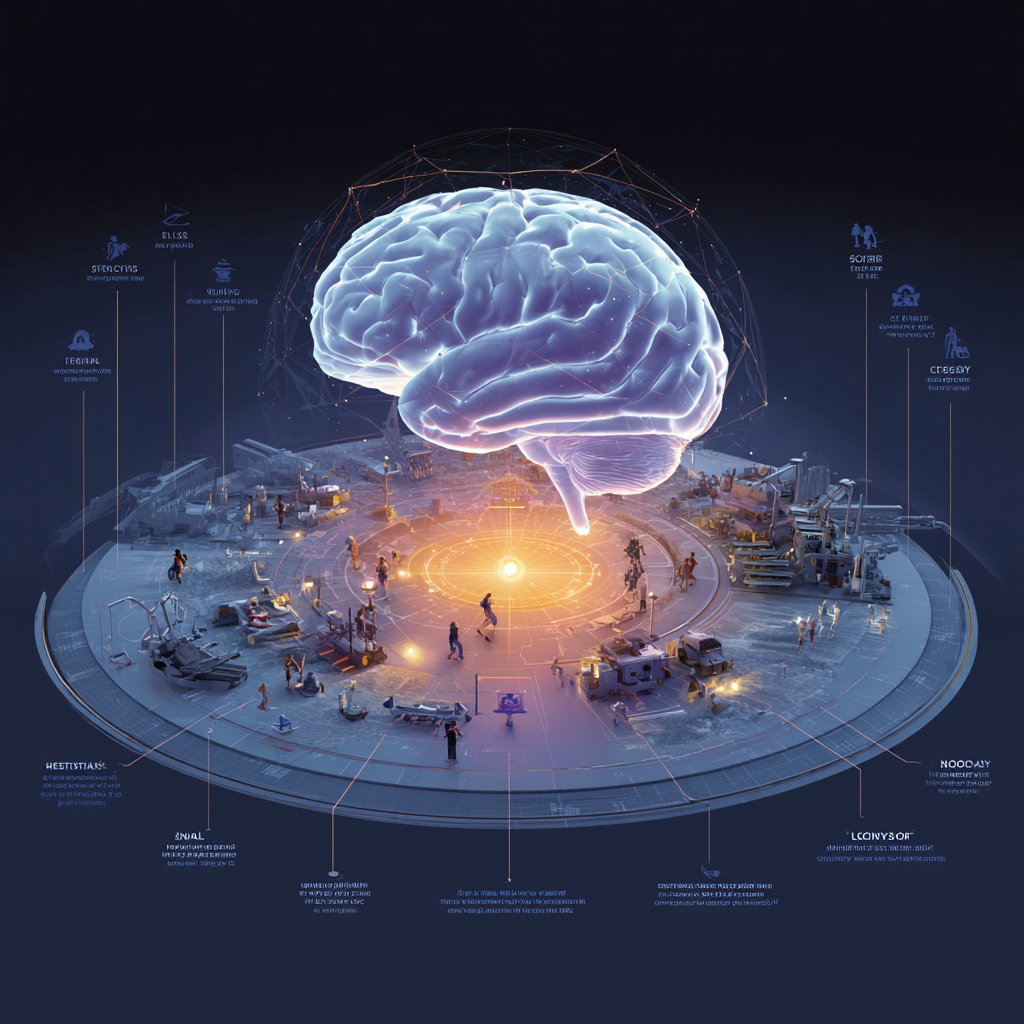
Figure 1. Building a Long-Term Cognitive Longevity System
The Brain Energy Reset is ultimately about creating sustainable biological resilience rather than pursuing quick fixes or temporary performance boosts. Cognitive longevity is shaped every day by thousands of small biological signals that influence how efficiently the brain produces energy, repairs cells, and adapts to stress.
Brain health is influenced daily by decisions involving:
- Sleep quality and circadian rhythm
- Blood sugar regulation and metabolic stability
- Physical activity and muscle health
- Nutrition and micronutrient intake
- Stress management and emotional resilience
- Social connection and lifelong learning
- Hydration and cardiovascular function
- Recovery, relaxation, and mental restoration
These factors work together as an interconnected system. Consistent sleep improves memory consolidation, regular movement increases cerebral blood flow, stable glucose supports neuronal energy production, and chronic stress reduction helps protect the hippocampus and prefrontal cortex from excessive cortisol exposure.
Instead of searching for a single miracle solution, a cognitive longevity strategy emphasizes small, repeatable habits that compound over years. Daily walks, resistance training, nutrient-dense meals, mindfulness practices, challenging the brain with new skills, and maintaining meaningful relationships all contribute to a healthier neural environment.
Modern neuroscience increasingly supports the idea that the brain remains adaptable throughout life through neuroplasticity. Healthy behaviors encourage new neural connections, improve vascular function, reduce chronic inflammation, and support mitochondrial energy production—the biological foundation of sustained mental performance.
The ultimate goal is not merely preventing decline, but building a brain that remains energetic, adaptable, focused, emotionally balanced, and resilient throughout the aging process. A long-term cognitive longevity system recognizes that every healthy choice is an investment in future brain function, allowing small daily actions to accumulate into lasting neurological strength.
The Core Brain Longevity Pillars
1. Metabolic Stability
Stable blood sugar helps provide reliable brain fuel.
2. Deep Sleep Recovery
Sleep supports detoxification, memory, and repair.
3. Movement and Circulation
Exercise improves blood flow and mitochondrial function.
4. Stress Regulation
Calming the nervous system protects cognitive resilience.
5. Anti-Inflammatory Living
Reducing chronic inflammation may support healthier brain aging.
6. Cognitive Engagement
Learning and social connection stimulate neuroplasticity.
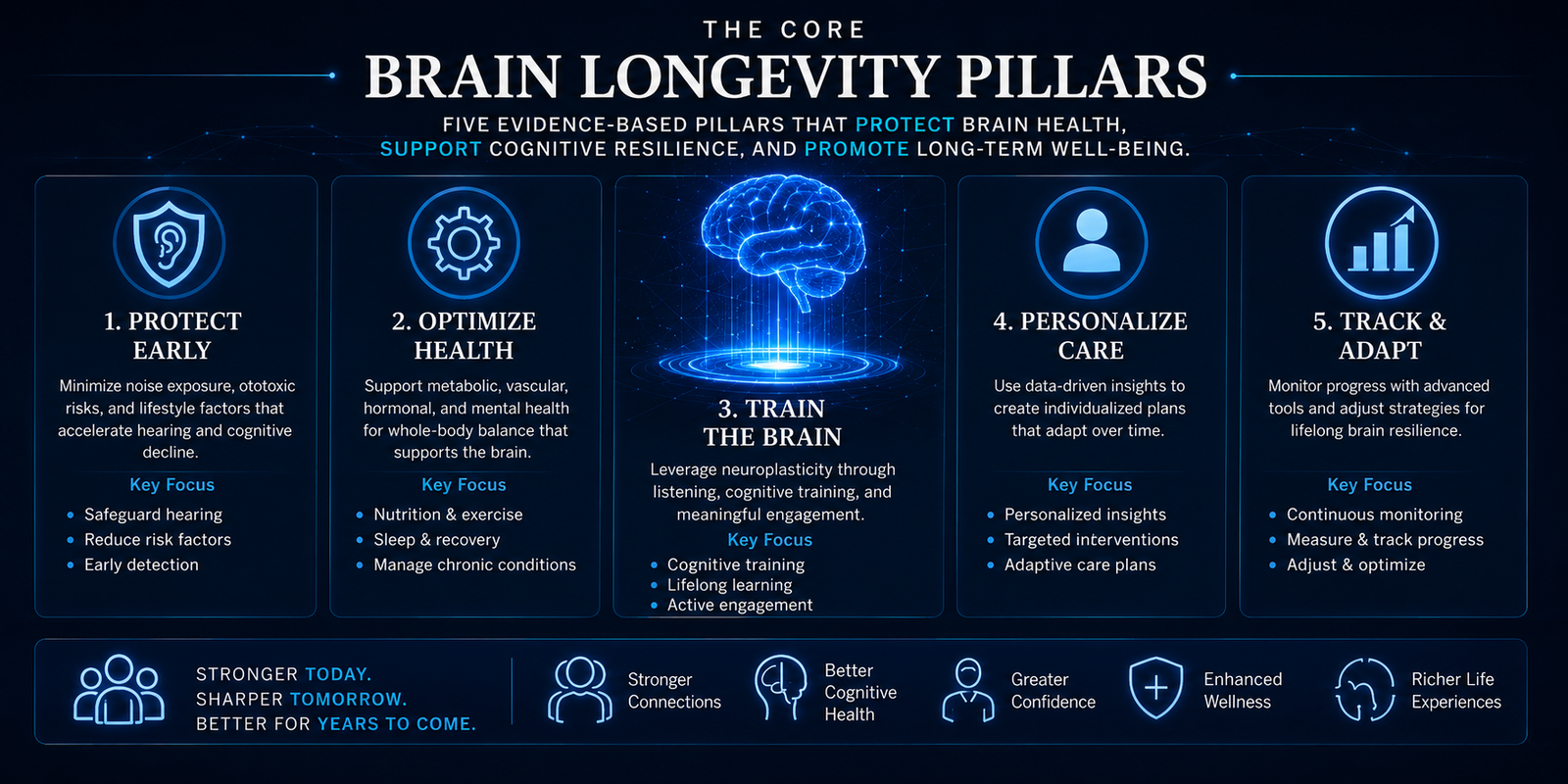
Figure 2. The Core Brain Longevity Pillars
Modern brain health is no longer viewed as the responsibility of a single organ or a single intervention. Instead, neuroscience increasingly supports a systems-based approach in which cognitive resilience is built through the interaction of lifestyle, metabolism, neuroplasticity, personalized medicine, and continuous monitoring. Rather than waiting for memory decline or neurological symptoms to appear, the goal is to strengthen the brain throughout life and preserve cognitive function for decades.
1. Protect Early
The first pillar of brain longevity is prevention. Daily habits established years before symptoms emerge can significantly influence long-term cognitive health.
Helpful strategies include:
- Prioritizing quality sleep
- Managing blood pressure and blood sugar
- Reducing chronic stress
- Protecting hearing and vision
- Avoiding smoking and excessive alcohol use
- Maintaining regular physical activity
Early prevention aims to reduce cumulative biological stress that may accelerate brain aging and cognitive decline.
2. Optimize Whole-Body Health
The brain depends on every major biological system.
Optimal cognitive performance is supported by:
- Healthy metabolism
- Efficient cardiovascular circulation
- Hormonal balance
- Mitochondrial energy production
- Anti-inflammatory nutrition
- Strong immune regulation
Viewing the brain as part of an interconnected biological network allows more comprehensive and sustainable approaches to longevity.
3. Train the Brain
The brain remains adaptable throughout life through neuroplasticity.
Regular mental stimulation may help strengthen neural networks through:
- Lifelong learning
- Reading and problem solving
- Language acquisition
- Music and auditory training
- Social interaction
- Cognitive exercises
- Mindfulness and focused attention
Consistent engagement encourages the brain to build and maintain functional reserve, supporting resilience during aging.
4. Personalize Care
Every individual possesses a unique combination of genetics, lifestyle factors, biomarkers, and environmental influences.
Modern precision brain health increasingly incorporates:
- Cognitive assessments
- Sleep and activity tracking
- Metabolic biomarkers
- Personalized nutrition
- Individual risk profiles
- AI-assisted health insights
Instead of one universal solution, interventions can be tailored and refined over time according to individual needs and responses.
5. Track & Adapt
Brain longevity is a continuous process rather than a one-time intervention.
Advances in wearable technology and digital health enable ongoing monitoring of:
- Sleep quality
- Physical activity
- Heart rate variability
- Stress patterns
- Cognitive performance
- Lifestyle consistency
Regular feedback allows people to recognize trends early and make small adjustments before larger problems develop, supporting lifelong cognitive resilience.
Long-Term Benefits
Building strong brain longevity habits may contribute to:
- Better cognitive health
- Sharper memory and attention
- Greater emotional resilience
- Improved daily performance
- Enhanced overall wellness
- Stronger social connections
- A richer and more independent quality of life
Key Message
Brain longevity is not about finding a miracle solution. It is about creating a sustainable biological foundation through prevention, whole-body optimization, neuroplasticity, personalized care, and continuous adaptation. Small, consistent actions practiced over many years may have a profound influence on cognitive resilience and healthy aging.
Brain Health Is Whole-Body Health
The brain is deeply connected to:
- the gut
- immune system
- cardiovascular system
- hormones
- metabolism
Protecting cognitive health therefore requires a systems-based approach.
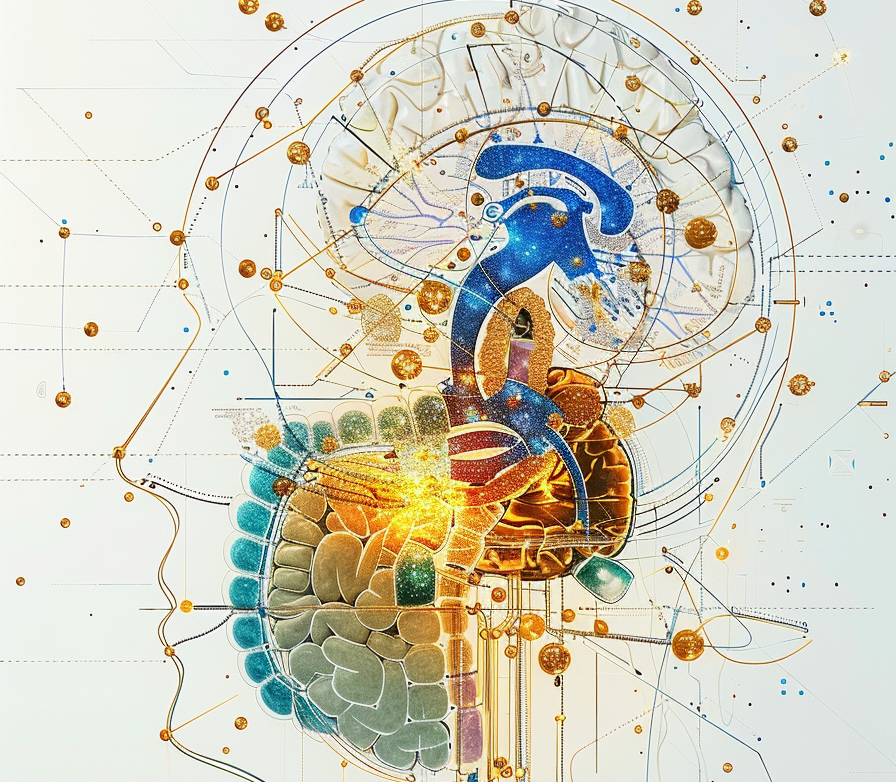
Figure 3. Brain Health Is Whole-Body Health
The brain does not function in isolation. It is continuously influenced by a complex network of biological systems that communicate through hormones, immune signals, blood vessels, nutrients, and neural pathways.
Modern neuroscience increasingly recognizes that protecting cognitive function requires supporting the entire body.
The Gut
Often called the “second brain,” the gut communicates with the central nervous system through the gut–brain axis.
Trillions of microorganisms help regulate neurotransmitter production, immune activity, nutrient absorption, and inflammation. A healthy microbiome may support mood, memory, and cognitive resilience throughout life.
The Immune System
The immune system protects the brain while also helping maintain normal neural function. However, persistent low-grade inflammation may disrupt neuronal communication and has been associated with cognitive decline and accelerated brain aging. Supporting immune balance is therefore an important component of long-term brain wellness.
The Cardiovascular System
Although the brain represents only a small percentage of body weight, it consumes approximately 20% of the body’s oxygen and energy supply. Healthy blood vessels deliver oxygen and nutrients while removing metabolic waste. Maintaining cardiovascular health through exercise, blood pressure control, and nutrition supports optimal brain performance.
Hormones
Hormones act as chemical messengers that influence nearly every aspect of brain function, including memory, attention, stress response, sleep, and emotional regulation. Cortisol, thyroid hormones, insulin, estrogen, testosterone, and melatonin all interact to shape cognitive performance and neurological resilience.
Metabolism
Every thought, memory, and neural connection requires energy. Stable glucose regulation, efficient mitochondrial function, and metabolic flexibility provide the fuel that allows brain cells to communicate effectively. Poor metabolic health may contribute to fatigue, brain fog, and reduced cognitive performance over time.
A Systems-Based Perspective
Rather than focusing on a single pathway, modern longevity medicine views brain health as an integrated biological network:
- Gut → Microbiome, nutrients, neurotransmitters
- Immune System → Inflammation balance and neural protection
- Cardiovascular System → Oxygen delivery and circulation
- Hormones → Communication and physiological regulation
- Metabolism → Cellular energy production and resilience
Together, these interconnected systems create the foundation for lifelong cognitive vitality.
Key Takeaway
Brain health is whole-body health. Supporting digestion, immunity, circulation, hormonal balance, and metabolism through consistent lifestyle habits may help preserve memory, focus, emotional well-being, and cognitive resilience for years to come.
Aging Does Not Automatically Mean Cognitive Decline
While aging changes the brain, lifestyle patterns strongly influence how the brain ages.
Many scientists now believe prevention may become one of the most important tools in reducing future cognitive decline worldwide.
The future of brain health may not depend on a single breakthrough drug alone, but on integrating:
- lifestyle medicine
- metabolic health
- sleep science
- precision medicine
- AI health monitoring
- preventive neuroscience
The Brain Energy Reset is ultimately about preserving:
- clarity
- resilience
- memory
- emotional balance
- quality of life
Healthy cognition is not only about adding years to life.
It is about adding life to the years.
Explore Science-Based Guides for Preventive Care and Healthy Support