
The Brain Song™ and Preventive Brain Wellness
Historically, many people sought help only after significant cognitive concerns appeared.
Modern preventive medicine offers another perspective.
Support brain health before problems emerge.
Prevention Is a Daily Process
The brain continuously adapts to its environment.
Every day it responds to:
- Sleep patterns
- Physical movement
- Nutrition
- Stress exposure
- Emotional experiences
- Social interaction
- Learning opportunities
Small improvements across multiple systems accumulate over time.
Support Brain Health Before Problems Emerge
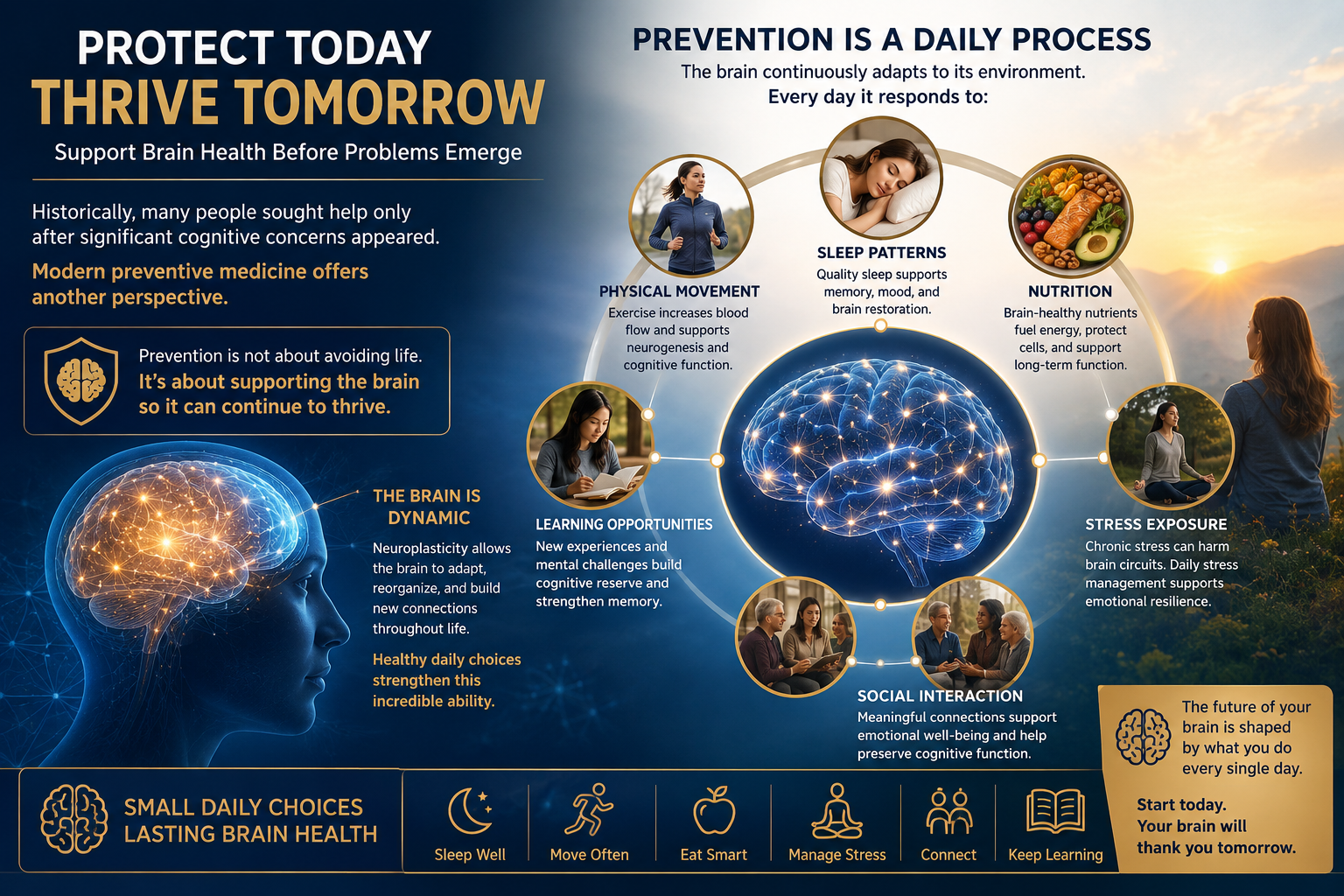
For many years, people often sought medical attention only after noticeable memory problems, difficulty concentrating, or other cognitive concerns had already developed. While advances in modern medicine have improved the diagnosis and treatment of neurological disorders, researchers increasingly recognize that maintaining brain health should begin long before symptoms appear. Preventive medicine encourages a proactive approach that supports the brain throughout life rather than waiting for significant decline.
The human brain is remarkably dynamic. Rather than remaining fixed after childhood, it continually adapts through a process known as neuroplasticity. Every experience, habit, and environmental influence helps shape neural connections. This lifelong adaptability means that everyday lifestyle choices can contribute to maintaining cognitive resilience as we age.
One of the most important factors influencing brain health is sleep. During deep sleep, the brain performs essential maintenance activities that support memory consolidation, learning, and waste clearance. Sleep also helps regulate hormones, restore energy metabolism, and strengthen communication between brain regions. Consistently poor sleep has been associated with reduced attention, impaired decision-making, and increased risk factors for cognitive decline over time. Establishing regular sleep schedules and creating a healthy sleep environment are practical steps that may help support long-term brain function.
Physical movement is another powerful contributor to cognitive wellness. Exercise increases blood circulation, delivering oxygen and nutrients to brain tissue while supporting cardiovascular health. Regular aerobic activity and resistance training have been associated with improved memory, executive function, and mood. Physical activity may also stimulate the production of brain-derived neurotrophic factor (BDNF), a protein involved in neuronal growth, survival, and plasticity. Even moderate activities such as walking, cycling, or swimming can become valuable investments in lifelong cognitive health.
Nutrition provides the fuel required for billions of neurons to function efficiently. A balanced dietary pattern rich in vegetables, fruits, whole grains, healthy fats, lean proteins, and omega-3 fatty acids supports healthy metabolism throughout the nervous system. Nutrients including B vitamins, vitamin D, magnesium, antioxidants, and essential fatty acids contribute to normal neurological function. Rather than relying on individual “brain foods,” experts increasingly recommend an overall dietary pattern that supports cardiovascular, metabolic, and brain health simultaneously.
Stress also plays an important role in cognitive performance. Short-term stress can sharpen attention during challenging situations, but persistent psychological stress may negatively influence memory, emotional regulation, and concentration. Chronic activation of the body’s stress response increases exposure to cortisol, which may affect brain regions involved in learning and memory. Incorporating stress-management strategies such as mindfulness, meditation, breathing exercises, nature exposure, or enjoyable hobbies may help support healthier brain function while improving overall well-being.
The brain also benefits greatly from social interaction. Meaningful conversations, supportive relationships, and community engagement stimulate multiple cognitive networks simultaneously. Social activities challenge memory, language processing, emotional intelligence, and attention while reducing feelings of isolation. Numerous observational studies have associated stronger social connections with healthier cognitive aging and greater psychological resilience.
Equally important is continuous learning. The brain thrives when challenged with new information and experiences. Reading, learning a new language, playing a musical instrument, solving puzzles, or developing professional skills all encourage the formation of new neural pathways. Lifelong learning helps maintain cognitive flexibility and supports the brain’s remarkable capacity to adapt throughout adulthood.
Preventive brain health is not built through one dramatic intervention. Instead, it reflects the combined influence of many small, consistent habits repeated over months and years. Healthy sleep, regular movement, balanced nutrition, effective stress management, positive relationships, and intellectual curiosity work together as an interconnected system supporting brain resilience.
Modern preventive medicine increasingly emphasizes that protecting cognitive health begins today—not after problems arise. While no lifestyle guarantees freedom from neurological disease, adopting healthy daily behaviors may help strengthen the biological systems that support memory, focus, emotional well-being, and healthy cognitive aging. In many ways, every ordinary day becomes an opportunity to invest in the extraordinary capabilities of the human brain.
How Sound May Support Brain Function
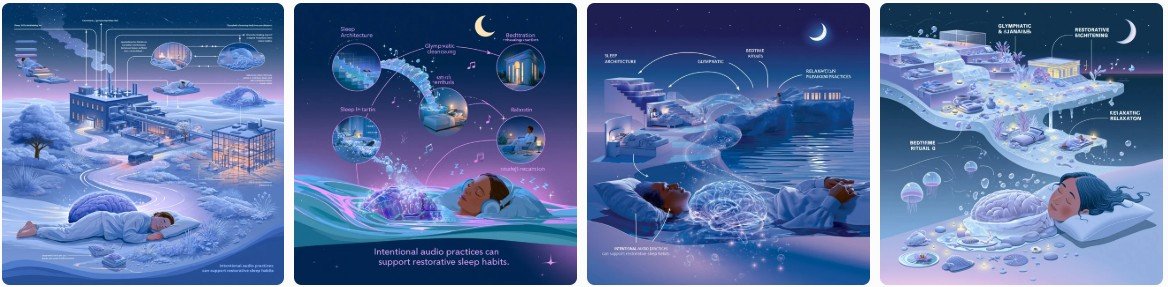
The Brain Song™ is presented as an innovative, systems-based audio wellness experience that combines neuroscience-inspired concepts with immersive listening. Rather than focusing on a single aspect of cognition, the visual illustrates how sound may interact with multiple interconnected biological and psychological systems that contribute to overall brain health and cognitive performance.
At the center of each design is the human brain, symbolizing the brain as a dynamic network that continuously processes sensory input, emotion, memory, and attention. Surrounding visual elements represent key domains often associated with healthy cognitive function, including neuroplasticity, focus, relaxation, emotional balance, learning, memory support, and stress recovery. The futuristic interface emphasizes that brain wellness is influenced by numerous interacting pathways rather than isolated mechanisms.
The progression across the four panels also reflects the evolution from scientific understanding to practical application. Advanced digital imagery, neural network graphics, and immersive audio themes illustrate how modern technology may support personalized wellness experiences while remaining grounded in the broader principles of preventive health. The listening experience is portrayed as one component of a comprehensive lifestyle that also includes quality sleep, regular physical activity, balanced nutrition, lifelong learning, and meaningful social engagement.
Overall, the artwork communicates a forward-looking vision in which neuroscience, digital innovation, and healthy daily habits work together to support lifelong cognitive resilience, mental clarity, emotional well-being, and healthy brain aging.
The Brain Needs Recovery
Many individuals schedule work meetings, exercise sessions, and family responsibilities.
Few schedule cognitive recovery.
The Brain Song™ introduces the concept of intentional mental restoration.
Listening sessions become appointments for brain wellness.
Rather than scrolling through another social feed, users dedicate time to slowing mental activity.
The Whole-Body Connection
Brain wellness is deeply connected to:
the cardiovascular system,
the immune system,
the gut microbiome,
hormonal regulation,
and metabolic health.
Because these systems interact continuously, improving one lifestyle factor often benefits many others simultaneously.
Audio wellness complements—not replaces—healthy living.
Sustainable Wellness
How the Brain Changes Throughout Life
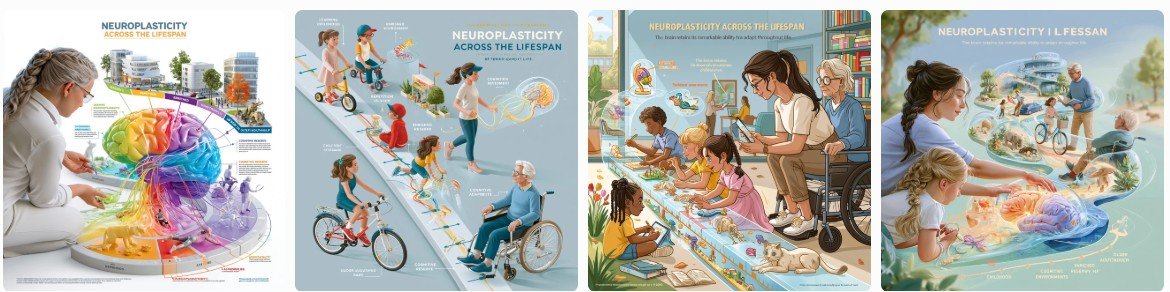
Description (200 words)
This illustration highlights one of the most remarkable characteristics of the human brain—neuroplasticity, the lifelong ability of the nervous system to adapt, reorganize, and strengthen its neural connections in response to experience. Rather than remaining fixed after childhood, the brain continuously remodels itself through learning, physical activity, social interaction, and environmental stimulation.
The artwork portrays neuroplasticity as a journey across the lifespan, from early childhood through adulthood and into older age. Children engage in exploration and learning, building foundational neural networks through play, curiosity, and education. Adults strengthen cognitive function through work, exercise, creativity, and lifelong learning, while older adults continue to benefit from meaningful activities, mobility, social engagement, and mental stimulation. These experiences demonstrate that the brain retains its capacity for adaptation throughout life.
The interconnected pathways and vibrant brain imagery symbolize the dynamic communication occurring among billions of neurons. Every new skill learned, memory formed, conversation held, and physical movement performed contributes to reshaping these networks. Healthy lifestyle habits—including quality sleep, balanced nutrition, regular exercise, stress management, and continuous learning—create an environment that supports this ongoing process.
Overall, the illustration emphasizes that brain health is not determined by age alone. Through consistent daily habits and lifelong engagement with the world, neuroplasticity helps support learning, resilience, cognitive function, and healthier brain aging.
The most effective wellness strategies are often the simplest:
walk daily,
sleep consistently,
eat nourishing foods,
practice gratitude,
maintain relationships,
and create moments of silence.
The Brain Song™ fits naturally into this philosophy by encouraging calm, presence, and cognitive recovery as part of everyday life.
Learning science is an important first step—but lasting benefits are built through consistent daily habits. The Brain Song™ is designed to complement a healthy lifestyle by creating intentional moments for relaxation, focus, and mental restoration. Whether you’re beginning your morning with clarity, taking a mindful break during a busy day, or unwinding before sleep, regular listening can become part of a balanced wellness routine that supports cognitive well-being, emotional resilience, and lifelong brain health.