
Does LeanBiome Really Work?
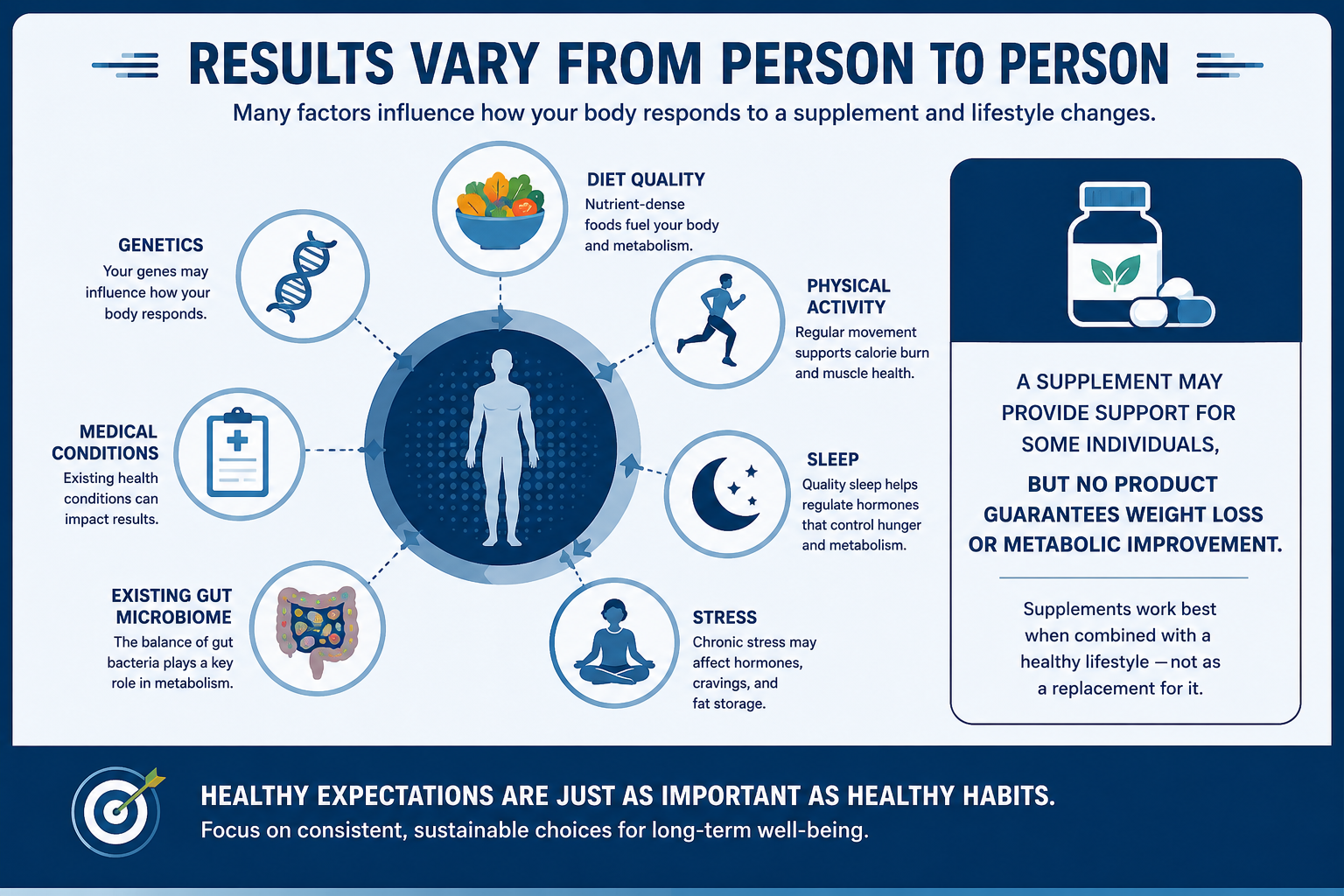
The honest answer is that results vary from person to person.
Factors influencing outcomes include:
✔ Diet quality
✔ Physical activity
✔ Sleep
✔ Stress
✔ Existing gut microbiome
✔ Medical conditions
✔ Genetics
A supplement may provide support for some individuals, but no product guarantees weight loss or metabolic improvement.
Healthy expectations are just as important as healthy habits.
Why Results Can Differ from One Person to Another
One of the most important principles in nutrition and preventive medicine is that there is no single solution that works equally well for everyone. Human biology is remarkably complex, and each person’s body responds differently to dietary changes, exercise programs, and nutritional supplements. Understanding these individual differences helps create realistic expectations and encourages a more sustainable approach to health improvement.
Many factors influence how the body responds to a supplement or lifestyle intervention. Diet quality provides the foundation for metabolic health, while physical activity affects energy expenditure, muscle mass, and insulin sensitivity. Sleep plays a critical role in regulating hormones that influence appetite, metabolism, and recovery. Likewise, chronic stress can alter cortisol levels, eating behaviors, and inflammatory pathways that may affect body weight over time.
Another important factor is the gut microbiome. The trillions of microorganisms living in the digestive system vary greatly between individuals and may influence nutrient absorption, energy metabolism, and immune function. Existing medical conditions, including diabetes, thyroid disorders, hormonal imbalances, and certain medications, can also affect metabolic responses and body composition. In addition, genetics contribute to differences in metabolism, appetite regulation, fat storage, and how individuals respond to dietary interventions.
Because of these biological differences, a supplement that appears beneficial for one person may produce smaller or different effects in another. Scientific evidence suggests that nutritional supplements should be viewed as supportive tools rather than standalone solutions. They are most effective when combined with a balanced diet, regular physical activity, adequate sleep, stress management, and consistent healthy habits.
Perhaps the most valuable expectation is recognizing that lasting health improvements rarely occur overnight. Sustainable progress is usually the result of many small, healthy decisions repeated consistently over months and years. Rather than searching for guaranteed results, focus on building habits that support long-term metabolic health. Healthy expectations, combined with evidence-based lifestyle choices, provide the strongest foundation for lifelong wellness and healthy aging.
#LeanBiomeReview #WeightLoss #HealthyMetabolism #GutHealth #WellnessTips #EvidenceBased #LifestyleMedicine #Nutrition #HealthEducation #LongTermHealth
Movement Is One of the Most Powerful Medicines

Regular physical activity is one of the most effective ways to support long-term health, regardless of age or fitness level. Whether it is walking, jogging, cycling, or strength training, consistent movement benefits nearly every organ system in the body. Exercise helps improve cardiovascular fitness, enhances insulin sensitivity, supports healthy weight management, and preserves lean muscle mass. It also promotes better circulation, stronger bones, improved balance, and greater mobility throughout life.
Beyond its physical benefits, exercise has a profound impact on mental well-being. Physical activity stimulates the release of endorphins and other brain chemicals that help reduce stress, improve mood, and enhance cognitive function. Regular movement is also associated with better sleep quality, increased energy levels, and improved resilience to everyday challenges.
The image highlights two individuals enjoying outdoor exercise, reminding us that there is no single “perfect” workout. The best exercise is one that is safe, enjoyable, and sustainable. Some people prefer jogging, while others may choose brisk walking, swimming, cycling, or resistance training. Consistency matters far more than intensity.
Healthy aging is built through daily habits rather than occasional efforts. Even moderate physical activity performed most days of the week can contribute to lower risks of obesity, type 2 diabetes, heart disease, and other chronic conditions. By making movement a regular part of everyday life, individuals invest not only in their current fitness but also in their future health, independence, and longevity. Every step taken today is an investment in a healthier tomorrow.
Every step you take strengthens your body, supports your metabolism, and protects your future health. Discover practical, science-based strategies to make movement a lifelong habit and unlock the benefits of healthier aging.