
The Mouth–Body Connection
Why Modern Dentistry Is More Than Teeth
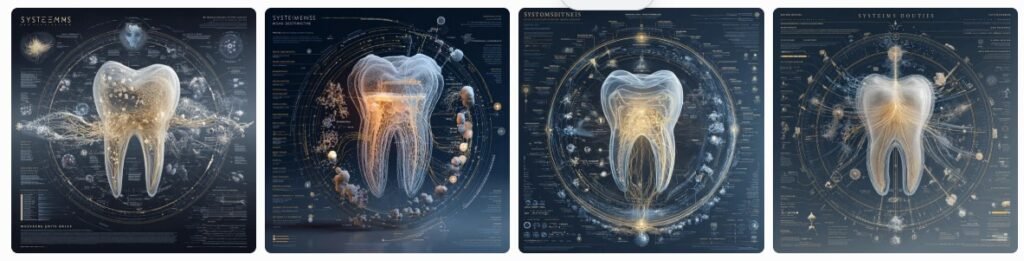
For decades, dentistry was often viewed as a narrow medical specialty focused primarily on cavities, braces, and cleanings. But modern science has radically transformed our understanding of oral health. Today, researchers increasingly recognize that the mouth is not isolated from the body—it is deeply interconnected with metabolism, inflammation, immunity, cardiovascular health, brain function, aging, and even longevity.
The human mouth is one of the most biologically active ecosystems in the body. It contains hundreds of microbial species, immune signaling pathways, blood vessels, connective tissues, nerves, and complex interactions between nutrition, lifestyle, stress, and systemic disease. Modern dentistry is therefore evolving from “tooth repair” into a systems-based field of preventive medicine.
This shift represents one of the most important transformations in healthcare.
The Oral Microbiome: Your Second Immune Ecosystem
Inside the mouth lives a vast microbial community known as the oral microbiome. Similar to the gut microbiome, this ecosystem contains both beneficial and harmful organisms.
When balanced, the oral microbiome helps:
- regulate inflammation
- support immune defense
- maintain healthy gums
- protect enamel
- assist digestion
- reduce pathogen overgrowth
But modern lifestyles often disrupt this delicate balance.
Factors such as:
- ultra-processed diets
- excess sugar
- smoking
- alcohol
- chronic stress
- poor sleep
- dry mouth
- antibiotics
- metabolic dysfunction
can shift the oral environment toward disease-promoting bacteria.
This imbalance is called oral dysbiosis.
Oral dysbiosis contributes to:
- gingivitis
- periodontal disease
- tooth decay
- chronic inflammation
- bad breath
- bone loss
- immune dysfunction
and may also influence whole-body disease processes.
Gum Disease Is an Inflammatory Disease
One of the most important developments in modern dentistry is the understanding that periodontal disease is fundamentally an inflammatory disorder.
Periodontal disease begins when bacterial biofilms accumulate around the gums. The immune system responds with inflammation. Over time, chronic inflammation damages:
- gum tissue
- connective tissue
- bone structure
- blood vessels
As the disease progresses, gums recede, pockets form, and teeth may loosen or fall out.
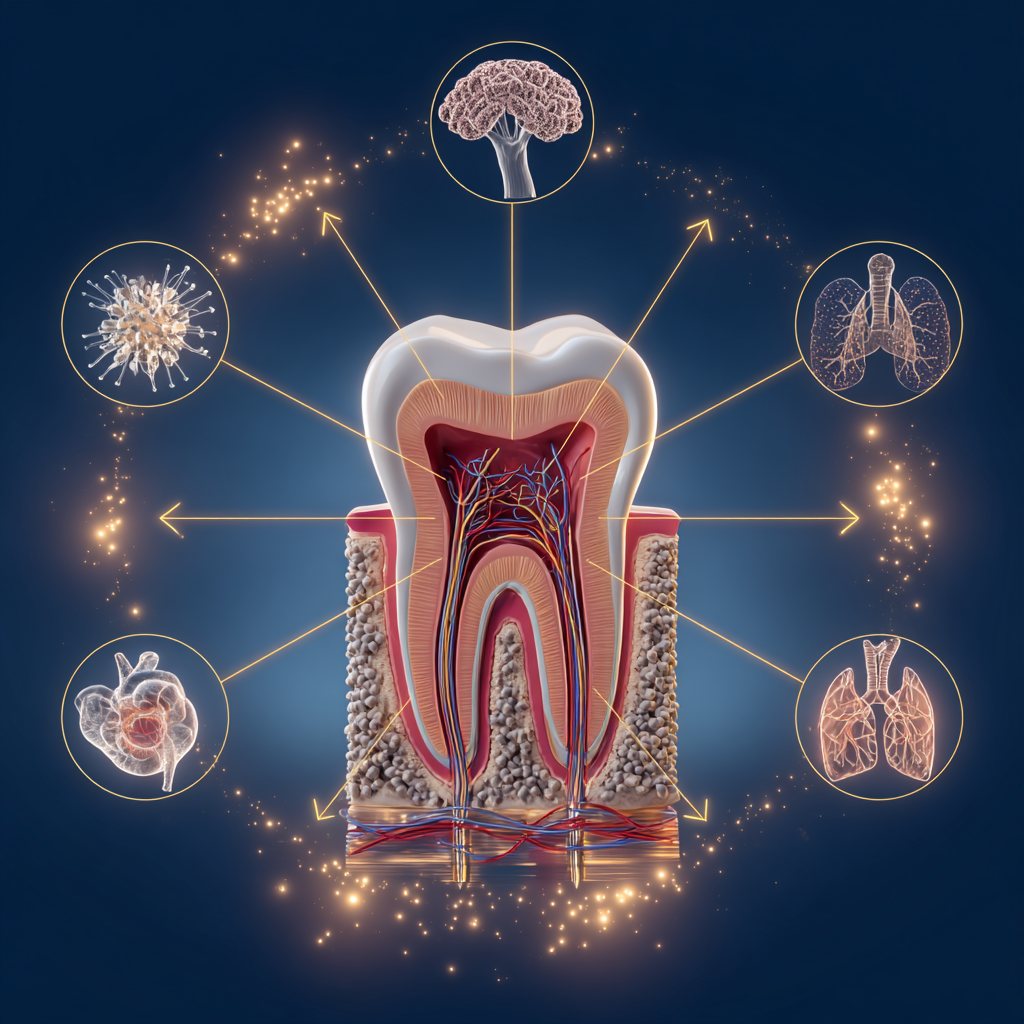
But the consequences may extend far beyond the mouth.
Scientists increasingly study links between periodontal disease and:
- cardiovascular disease
- diabetes
- Alzheimer’s disease
- stroke
- metabolic syndrome
- rheumatoid arthritis
- pregnancy complications
This does not mean gum disease directly “causes” these conditions in every case. However, chronic inflammation and bacterial translocation may contribute to systemic inflammatory burden throughout the body.
Oral Health and Cardiovascular Disease
The relationship between oral health and heart disease has become a major research focus.
People with severe periodontal disease often show higher rates of:
- atherosclerosis
- hypertension
- endothelial dysfunction
- stroke risk
- coronary artery disease
Several mechanisms may help explain this connection.
Inflammatory molecules produced in diseased gums may enter circulation and affect blood vessels. Certain oral bacteria may also enter the bloodstream during brushing, chewing, or dental procedures.
Chronic low-grade inflammation is now recognized as a major driver of cardiovascular aging.
This highlights why preventive dental care is increasingly viewed as part of cardiovascular prevention.
Diabetes and Oral Health: A Two-Way Relationship
One of the strongest mouth-body connections involves diabetes.
High blood sugar levels can:
- increase inflammation
- weaken immune defenses
- impair healing
- promote bacterial growth
- worsen gum disease
At the same time, chronic periodontal inflammation may worsen insulin resistance and blood sugar regulation.
This creates a vicious cycle:
Poor glucose control → worse gum disease → more inflammation → poorer metabolic health.
For this reason, many experts now describe periodontal disease as a “complication of diabetes” and diabetes as a “risk factor for periodontal disease.”
Modern dentistry increasingly collaborates with metabolic medicine and preventive healthcare to improve long-term outcomes.
Brain Health and Oral Inflammation
Emerging research also explores potential links between oral inflammation and cognitive decline.
Scientists are investigating whether chronic periodontal inflammation may influence:
- neuroinflammation
- vascular damage
- oxidative stress
- blood-brain barrier integrity
Some studies have detected oral bacterial markers in brain tissue associated with neurodegenerative disease, although research remains ongoing.
The broader concept is increasingly clear:
Chronic inflammation anywhere in the body may contribute to accelerated aging.
This includes inflammation originating in the mouth.
Modern Dentistry Is Becoming Preventive Medicine
Traditional dentistry often focused on treating problems after they appeared:
- filling cavities
- extracting damaged teeth
- repairing infections
Modern dentistry increasingly emphasizes prevention, systems biology, and long-term health optimization.
Preventive dentistry now includes:
- microbiome management
- nutritional counseling
- inflammation reduction
- sleep and airway assessment
- dry mouth prevention
- saliva analysis
- oral cancer screening
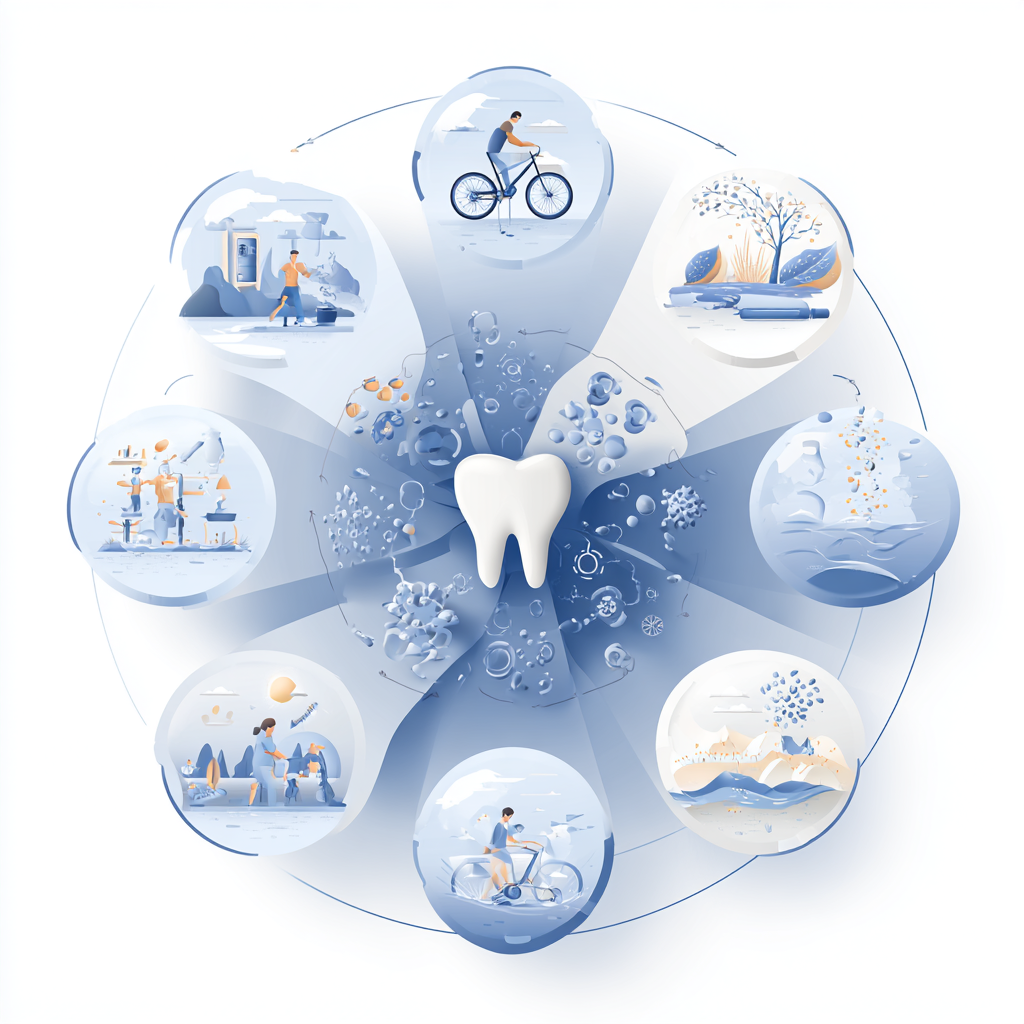
- lifestyle medicine
- early disease detection
This is a major evolution in healthcare philosophy.
Instead of waiting for disease, modern dentistry aims to preserve biological resilience.
Nutrition and Oral Health
Diet strongly influences oral biology.
Highly processed foods and excess sugar feed acid-producing bacteria that damage enamel and disrupt microbial balance.
Meanwhile, nutrient-dense diets rich in:
- protein
- minerals
- omega-3 fats
- antioxidants
- fiber
- vitamins A, D, K2, and C
may support:
- enamel integrity
- gum healing
- saliva production
- bone health
- immune function
Modern dentistry increasingly recognizes that oral disease is not simply a hygiene issue—it is also a metabolic and nutritional issue.
The Future of Dentistry
The future of dentistry may look dramatically different from the past.
Emerging technologies include:
- AI-assisted diagnostics
- salivary biomarker testing
- microbiome mapping
- regenerative dentistry
- stem-cell therapies
- precision prevention
- digital oral monitoring
- personalized risk prediction
Dentistry may become one of the earliest detection systems for systemic disease.
Because the mouth is highly vascular and biologically active, oral changes may provide early clues about inflammation, immune dysfunction, aging, and chronic disease risk.
Final Thoughts
Modern dentistry is no longer only about teeth.
It is about:
- inflammation
- immunity
- metabolism
- aging
- cardiovascular health
- brain health
- prevention
- human longevity
The mouth is a gateway to systemic health.
Understanding this connection changes how we think about medicine itself. The future of healthcare may increasingly depend on integrating dentistry, nutrition, metabolic medicine, preventive care, and systems biology into one unified framework for lifelong health.