
Why Modern Hearing Health Is Declining
Understanding the Global Hearing Crisis Through a Systems Medicine Lens
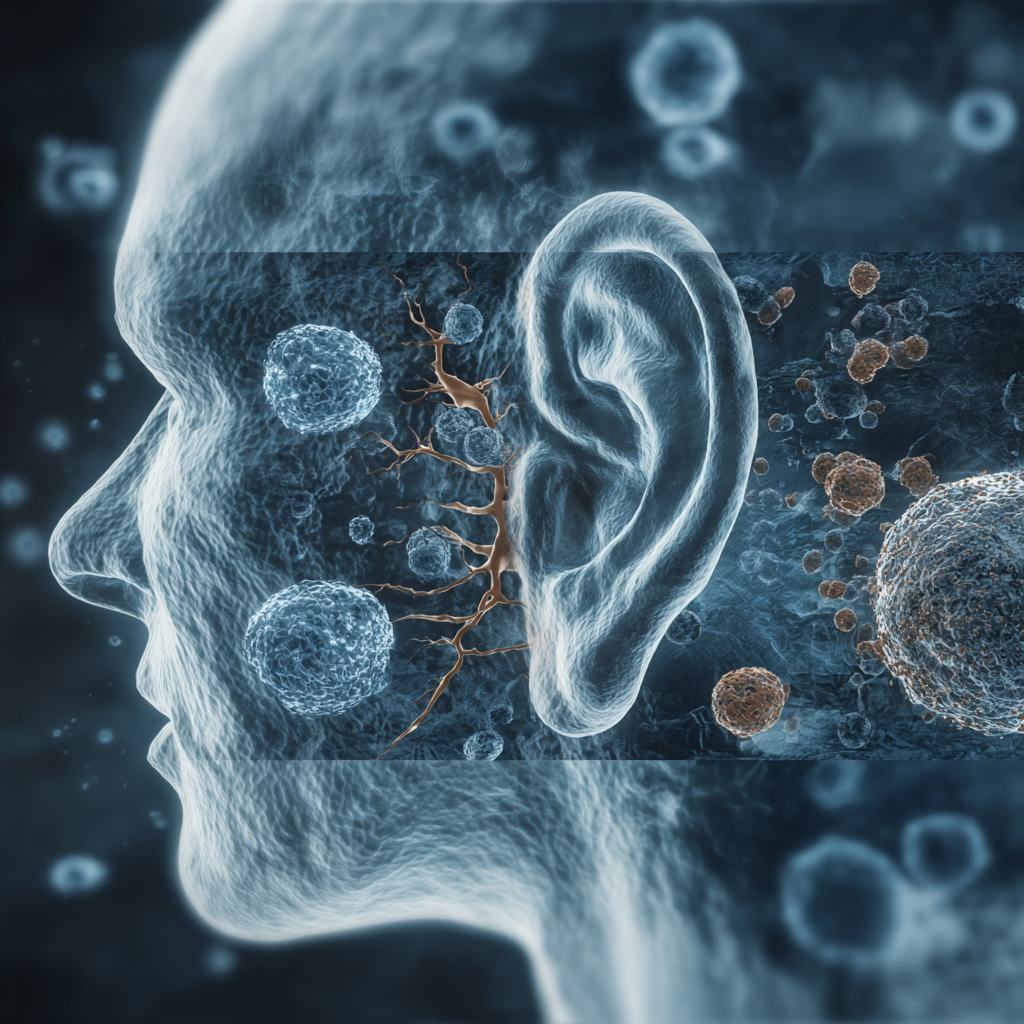
Hearing health is becoming one of the defining public health challenges of the 21st century. Around the world, millions of people are experiencing gradual hearing decline, tinnitus, sound sensitivity, communication fatigue, and auditory processing difficulties earlier in life than previous generations. While aging remains an important factor, modern hearing decline is increasingly connected to lifestyle, metabolic health, chronic inflammation, environmental stress, and continuous noise exposure.
The traditional medical model often treats hearing problems as isolated ear disorders. Yet emerging research suggests that hearing health is deeply connected to the brain, nervous system, blood vessels, immune system, metabolism, sleep quality, and even emotional resilience. The ears do not function independently. They are part of an integrated biological network.
This systems-based perspective is the foundation of The Hearing Support Blueprint.
Modern civilization has dramatically changed the human auditory environment. Humans evolved in natural soundscapes consisting of wind, water, animal communication, and intermittent environmental noise. Today, people are exposed to near-constant artificial stimulation:
- headphones at high volume
- urban traffic
- industrial noise
- construction equipment
- digital alerts
- entertainment overload
- chronic stress
- poor sleep
- inflammatory diets
Over time, these stressors may contribute to cumulative auditory strain.

One of the most important concepts in modern hearing science is that hearing loss is not always simply “ear damage.” In many cases, the problem involves the entire auditory pathway — from the inner ear to the auditory nerve to the brain itself.
The cochlea, a delicate spiral structure in the inner ear, contains tiny sensory hair cells that convert sound vibrations into electrical signals. These cells are extraordinarily sensitive. Excessive noise, oxidative stress, poor circulation, aging, inflammation, and metabolic dysfunction may gradually impair their function.
Unlike some tissues in the body, these hair cells have limited regenerative capacity in humans. This is one reason prevention and early support are so important.
Another growing concern is tinnitus — the perception of ringing, buzzing, hissing, or phantom sounds without an external source. Tinnitus is increasingly recognized as a brain–nervous system phenomenon rather than simply an ear condition. Stress, sleep disruption, nervous system dysregulation, inflammation, hearing damage, and emotional hypervigilance may all influence symptom severity.
For many individuals, tinnitus becomes worse during periods of:
- chronic stress
- anxiety
- sleep deprivation
- caffeine overload
- emotional exhaustion
- metabolic instability
This highlights the profound connection between auditory health and whole-body physiology.
Hearing decline is also closely associated with cognitive health. Studies increasingly show correlations between hearing loss and:
- cognitive decline
- social isolation
- depression
- reduced brain stimulation
- increased dementia risk
The brain depends on sensory input to remain engaged and adaptive. Reduced auditory stimulation may increase cognitive strain over time, especially in older adults.
This is why modern hearing wellness must move beyond symptom management alone.
A systems medicine framework asks broader questions:
- How is blood flow supporting the auditory system?
- Is chronic inflammation damaging neural tissues?
- Is sleep supporting nervous system recovery?
- Is stress dysregulating auditory processing?
- Is metabolic dysfunction impairing microcirculation?
- Is excessive noise overwhelming sensory pathways?
- Is nutrition supporting mitochondrial energy production?
These interconnected variables help shape long-term hearing resilience.
Another overlooked factor is metabolic health. The inner ear requires a rich supply of oxygen and nutrients. Tiny blood vessels nourish auditory structures. Conditions that impair vascular function — such as insulin resistance, hypertension, smoking, obesity, and chronic inflammation — may also affect hearing capacity.
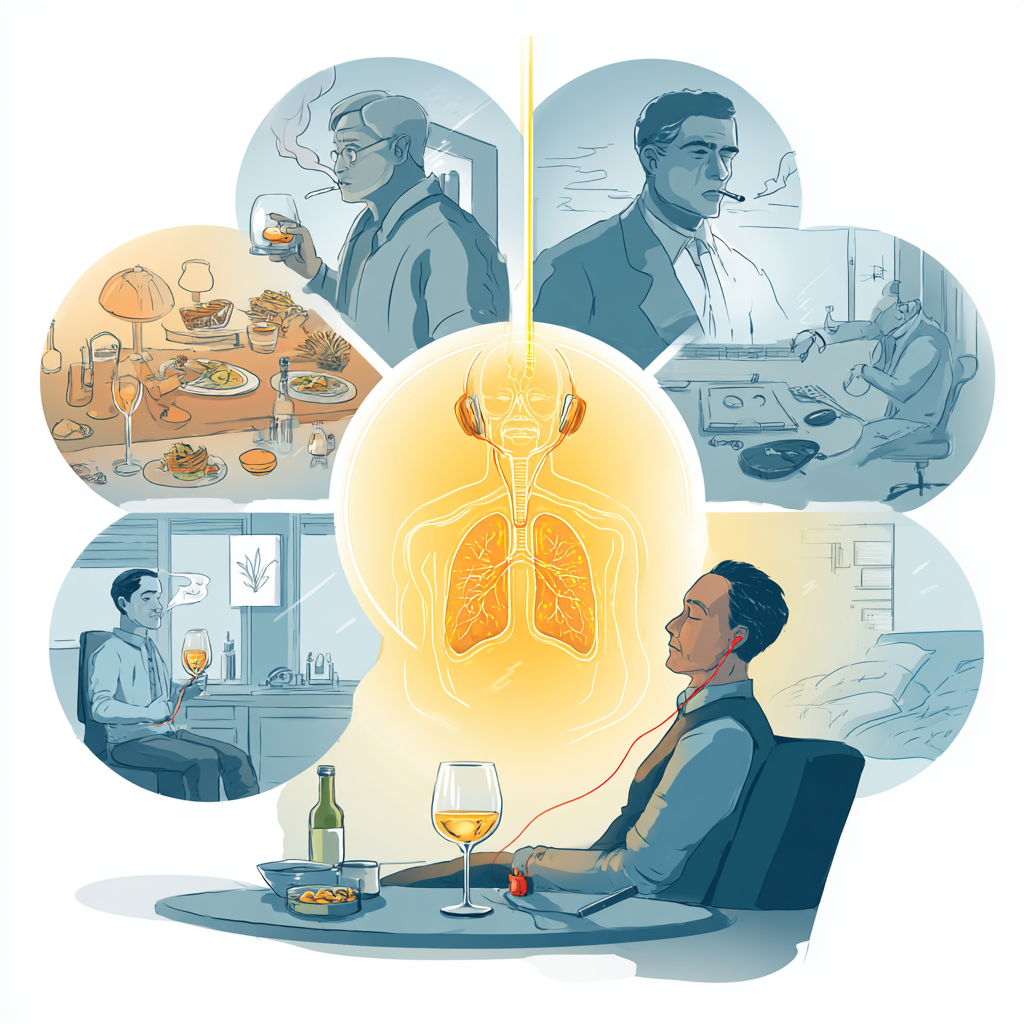
Researchers increasingly describe hearing decline as partly a vascular and metabolic issue.
The nervous system also plays a central role. Many individuals with tinnitus or sound sensitivity exhibit signs of chronic sympathetic nervous system activation — often called “fight-or-flight dominance.” In this state, the brain becomes hyper-alert to sensory stimuli, including internal sounds.
Stress management therefore becomes an important component of hearing wellness.
Sleep is equally critical. Deep sleep supports neurological repair, sensory processing, hormone regulation, and inflammatory control. Poor sleep may worsen tinnitus perception, cognitive fatigue, and auditory processing challenges.
Nutrition also influences auditory aging. Diets rich in antioxidants, omega-3 fats, polyphenols, magnesium, zinc, and anti-inflammatory nutrients may help support healthy circulation and cellular resilience. Meanwhile, ultra-processed diets high in sugar, trans fats, and chronic inflammatory compounds may contribute to oxidative stress and vascular dysfunction.
The future of hearing support is likely to become increasingly integrative:
- preventive audiology
- wearable hearing technologies
- AI-assisted sound personalization
- precision hearing medicine
- neuroplasticity training
- metabolic optimization
- nervous system regulation
- lifestyle-based prevention
The goal is not simply “hearing correction.” The larger goal is auditory longevity — preserving communication, cognition, sensory engagement, emotional connection, and quality of life across the lifespan.
Healthy hearing is deeply tied to human connection. It influences conversation, relationships, learning, emotional wellbeing, balance, environmental awareness, and cognitive vitality.
Protecting hearing is therefore not only about the ears. It is about protecting the human experience itself.
Explore Science-Based Guides for Preventive Hearing Care and Healthy Joint Support: