
Why the Modern Brain Is Running Out of Energy
The Hidden Metabolic Crisis Behind Brain Fog, Fatigue, and Cognitive Decline
Modern society has created an environment where the human brain is under constant metabolic stress. Millions of people experience brain fog, low mental energy, poor focus, memory lapses, anxiety, sleep disruption, and cognitive fatigue long before any formal neurological diagnosis appears. While these symptoms are often dismissed as “normal aging” or stress, emerging research suggests something deeper may be happening beneath the surface: a gradual decline in brain energy metabolism.

The human brain represents only about 2% of body weight, yet it consumes roughly 20% of the body’s energy. Every thought, memory, emotional response, and cognitive process depends on the continuous production of cellular energy inside neurons. This energy is generated primarily by mitochondria — the microscopic energy factories within brain cells.
When brain energy production begins to decline, the effects can ripple across nearly every aspect of mental performance and emotional well-being.

The Brain Energy Crisis of Modern Life
The modern lifestyle places enormous pressure on the brain’s energy systems. Several major factors contribute to this growing neurological burden:
- Chronic stress
- Sleep deprivation
- Blood sugar instability
- Sedentary behavior
- Ultra-processed diets
- Inflammation
- Social isolation
- Excessive digital stimulation
- Environmental toxins
- Circadian rhythm disruption
These stressors collectively increase oxidative stress, inflammation, hormonal imbalance, and mitochondrial dysfunction — all of which can impair the brain’s ability to efficiently generate energy.
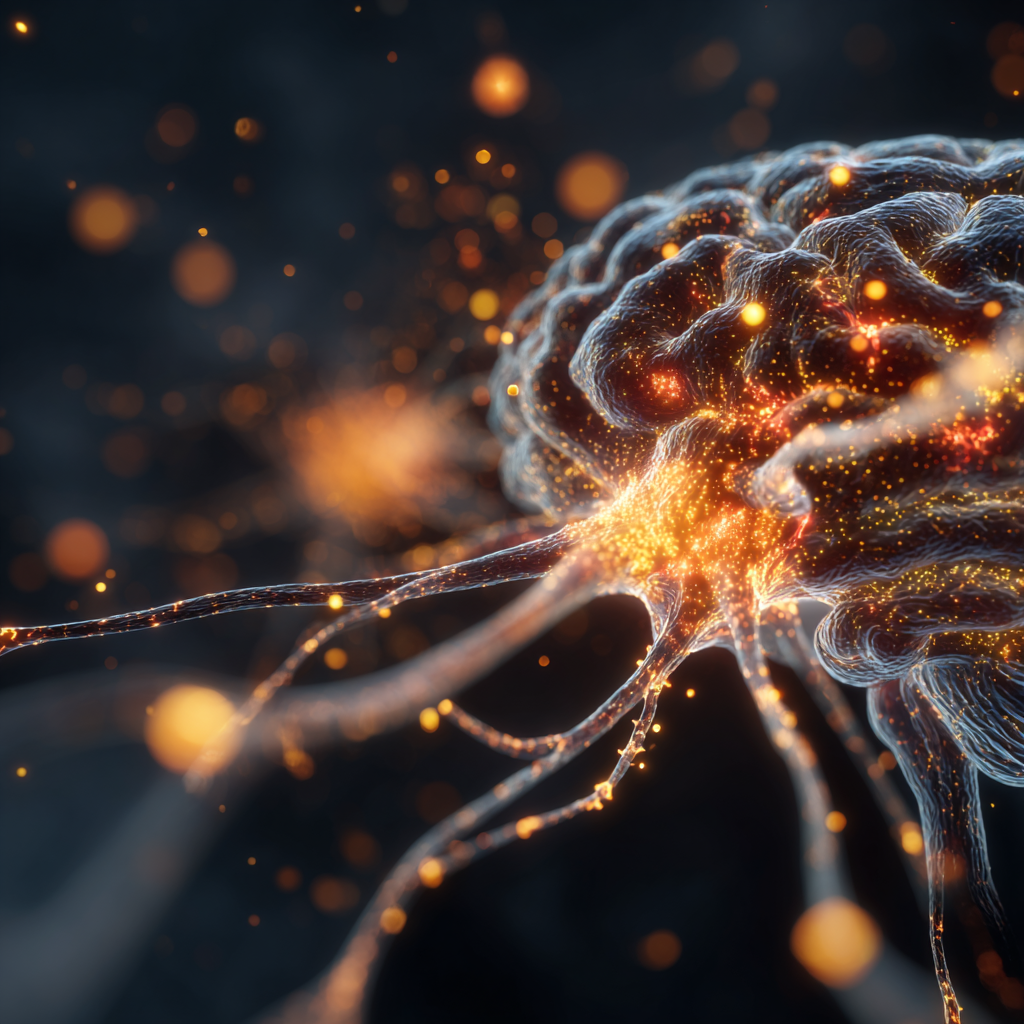
Many researchers now believe that neurodegenerative diseases such as Alzheimer’s disease may partly represent disorders of impaired brain metabolism. Some scientists even refer to Alzheimer’s as “type 3 diabetes” because of the strong connection between insulin resistance and cognitive decline.
Mitochondria: The Engines of Brain Function
Every neuron requires extraordinary amounts of energy. Brain cells must maintain electrical activity, neurotransmitter signaling, memory formation, repair processes, and immune defense simultaneously.
Mitochondria convert nutrients and oxygen into ATP (adenosine triphosphate), the body’s biological energy currency. When mitochondria function efficiently, the brain tends to feel sharp, resilient, emotionally balanced, and mentally energized.
When mitochondria become impaired, symptoms may include:
- Brain fog
- Mental fatigue
- Low motivation
- Poor memory
- Mood instability
- Slower processing speed
- Reduced concentration
- Increased anxiety
- Cognitive burnout
Mitochondrial decline is increasingly viewed as one of the core biological hallmarks of aging itself.
Blood Sugar and the Brain
One of the biggest drivers of brain metabolic dysfunction is unstable blood sugar.
The brain depends heavily on glucose for fuel, but modern diets often create rapid spikes and crashes in blood sugar levels. Over time, excessive sugar intake and insulin resistance may impair the brain’s ability to efficiently use glucose.
This can create a state sometimes described as “brain energy starvation,” where the brain struggles to access stable fuel despite abundant calorie intake.
Research has linked poor metabolic health to:
- Cognitive decline
- Depression
- Dementia risk
- Reduced neuroplasticity
- Brain inflammation
- Mood disorders
Maintaining stable blood sugar may therefore be one of the most important foundations for long-term brain health.
Inflammation and Cognitive Aging
Chronic inflammation is another major threat to brain energy systems.
Inflammation activates immune cells in the brain called microglia. While these cells are important for defense and repair, chronic overactivation may contribute to neuronal damage, oxidative stress, and impaired communication between brain cells.
Over time, chronic neuroinflammation may accelerate:
- Cognitive aging
- Memory decline
- Brain fatigue
- Mood dysregulation
- Neurodegeneration
Modern inflammatory triggers include:
- Poor diet
- Chronic stress
- Sleep deprivation
- Environmental toxins
- Sedentary behavior
- Gut microbiome imbalance
This is why many brain health strategies now focus not only on cognition itself, but also on reducing systemic inflammation.
The Brain Can Adapt and Recover
One of the most hopeful discoveries in neuroscience is neuroplasticity — the brain’s ability to reorganize, adapt, and form new neural connections throughout life.
The brain is not fixed or static. Lifestyle interventions may support:
- New neural pathway formation
- Improved mitochondrial efficiency
- Better blood flow
- Enhanced memory networks
- Increased stress resilience
- Healthier sleep cycles
Even modest improvements in lifestyle habits may positively influence cognitive function over time.
The Brain Energy Reset Philosophy
The Brain Energy Reset is not about quick fixes or miracle supplements. It is a systems-based approach to supporting long-term cognitive resilience.
Core principles include:
- Stabilizing metabolism
- Supporting sleep quality
- Reducing chronic inflammation
- Improving mitochondrial health
- Managing stress physiology
- Enhancing movement and circulation
- Protecting neuroplasticity
- Building sustainable lifestyle patterns
Rather than focusing on isolated symptoms, this framework views the brain as part of an interconnected biological system.
Healthy Aging Begins with Brain Energy
Longevity is not simply about living longer. It is about preserving mental clarity, emotional resilience, memory, creativity, and cognitive vitality across the lifespan.
The future of healthy aging may depend heavily on protecting the brain’s energy systems before serious decline occurs.
The encouraging news is that many of the biological drivers of brain dysfunction are modifiable. Sleep, nutrition, movement, stress management, metabolic health, and social connection all influence the brain’s ability to generate energy and maintain resilience.
The Brain Energy Reset begins with understanding one powerful idea:
A healthier brain is often an energized brain.
Evidence-Based Resources for Hearing Health and Joint Wellness