
The Brain Operates Through Rhythms
One of the most fascinating discoveries in neuroscience is that the brain operates through dynamic electrical rhythms often called brainwaves.

Different brain states are associated with different patterns of neural activity:
- highly alert states
- relaxed focus
- deep rest
- meditation-like calm
- sleep-related restoration
While audio wellness systems should never be viewed as medical treatments, many relaxation-focused sound environments are designed around principles associated with calming attention and reducing sensory stress.
The goal is not to “hack” the brain.
The goal is to support healthier mental states.
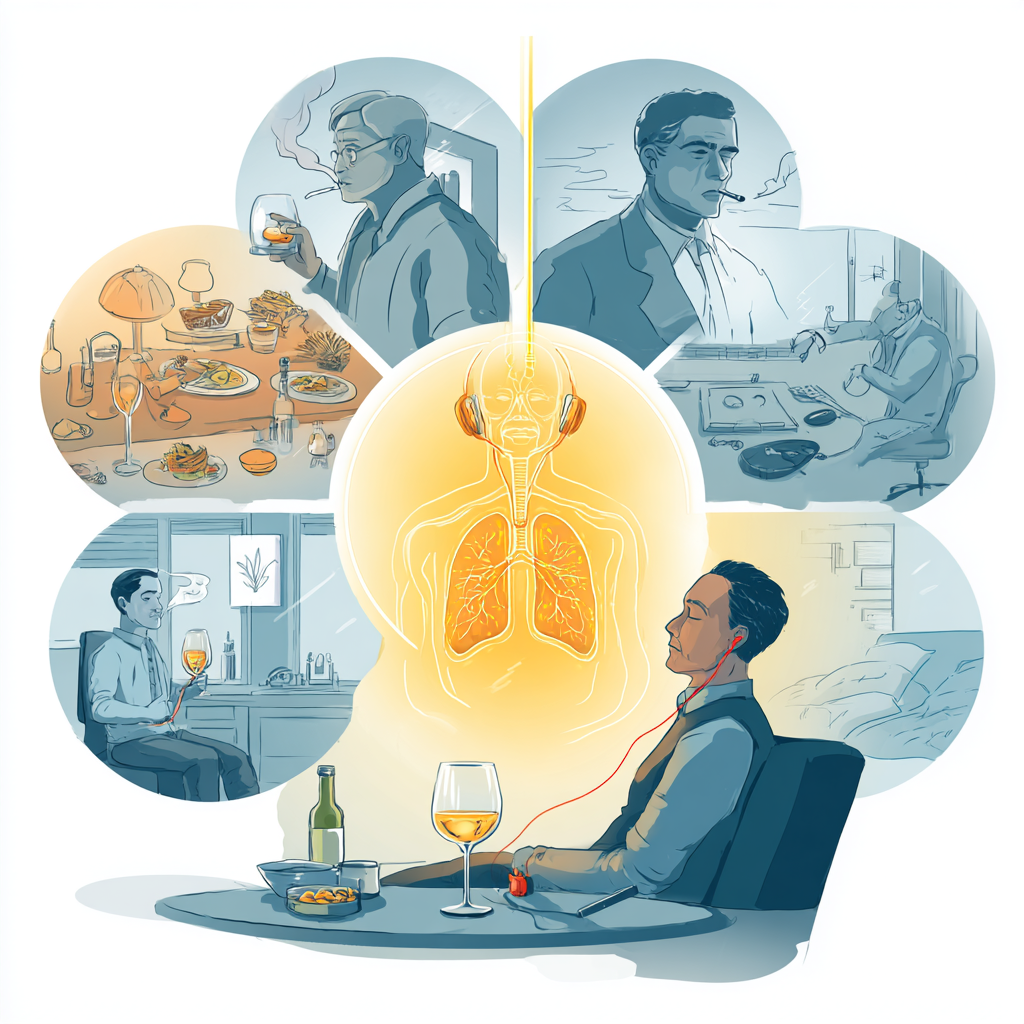
Why Sound Affects Human Physiology
Humans are deeply influenced by sound.
Sound can alter:
- emotional state
- heart rate
- breathing rhythm
- stress perception
- mental focus
- relaxation response
Music has accompanied human civilization for thousands of years because rhythmic sound influences the nervous system in powerful ways.
Consider how different sounds affect you immediately:
- ocean waves calm the mind
- alarms increase stress
- soft instrumental music promotes relaxation
- repetitive rhythms influence mood and attention

Audio wellness experiences attempt to intentionally create environments that encourage cognitive decompression.
The Rise of Cognitive Recovery
For decades, society focused primarily on productivity enhancement.
Now a new movement is emerging:
cognitive recovery.
People are beginning to realize that sustainable mental performance depends on recovery capacity.
High-performing brains require:
- deep sleep
- nervous system regulation
- stress reduction
- focused attention cycles
- emotional recovery
- sensory balance
This shift mirrors trends seen in athletics.
Elite athletes do not improve through nonstop training alone.
They improve through strategic recovery.
The brain may function similarly.
The Systems-Based Perspective
A systems-based approach recognizes that brain wellness is connected to the entire body.
Cognitive function is influenced by:
- sleep quality
- blood sugar stability
- inflammation
- stress hormones
- movement
- breathing patterns
- emotional health
- environmental stimulation
Audio wellness is not a magic solution.
Instead, it may function as one supportive component within a larger cognitive wellness system.
For example, many people combine audio relaxation with:
- meditation
- journaling
- evening recovery routines
- breathing exercises
- sleep preparation
- focused work sessions
- mindfulness practices
The goal is creating an environment where the brain can function more efficiently and recover more effectively.
Why Cognitive Relaxation Is Becoming Essential
Many people mistakenly believe relaxation is laziness.
Biologically, recovery is essential maintenance.
The brain consumes enormous amounts of energy. Despite representing only a small percentage of body weight, it uses a substantial portion of total metabolic energy.
Continuous mental activation without recovery may contribute to:
- mental fatigue
- emotional irritability
- poor concentration
- sleep difficulty
- cognitive overload
Relaxation is not the opposite of productivity.
Healthy recovery supports sustainable productivity.
The Future of Audio Wellness
The future of brain wellness may involve increasingly personalized sensory environments.
Emerging areas of interest include:
- adaptive soundscapes
- AI-generated relaxation environments
- cognitive recovery platforms
- neuroacoustic wellness systems
- focus-support audio experiences
- sleep-support sound environments
As neuroscience and digital wellness continue evolving, audio may become a larger part of preventive cognitive wellness strategies.
Not because sound “cures” the brain.
But because environments shape brain function.
And sound is one of the most powerful environmental influences humans experience every day.
The Brain Song™ Philosophy
At its core, The Brain Song™ represents a systems-based philosophy of cognitive wellness.
The emphasis is not on extreme stimulation.
The emphasis is on:
- restoration
- rhythm
- calm focus
- nervous system balance
- cognitive decompression
- sustainable mental performance
In an increasingly noisy world, intentional calm may become one of the most important forms of brain care.
Sometimes the brain does not need more information.
Sometimes it needs recovery.
And sometimes recovery begins with sound.
Evidence-Based Resources for Health and Wellness