
Understanding Prostate Health
Why the Prostate Changes With Age
Prostate health has become one of the most discussed topics in men’s health and healthy aging. As men grow older, changes in urinary function, sleep quality, and hormonal balance often bring new attention to the prostate.

Many men begin noticing symptoms such as:
- Frequent urination
- Nighttime bathroom trips
- Weak urine flow
- Difficulty starting urination
- Incomplete bladder emptying
- Interrupted sleep
These symptoms are commonly associated with age-related prostate enlargement, often called benign prostatic hyperplasia (BPH).
Because these changes become increasingly common with aging, prostate support supplements have grown into a major wellness category. But many people still wonder:
Do prostate supplements actually work?
The answer is more nuanced than marketing claims suggest.
Science does not support miracle cures. However, research does suggest that certain ingredients may support aspects of prostate health, urinary function, inflammation balance, and healthy aging when combined with broader lifestyle approaches.
This systems-based perspective is important because prostate health is deeply connected to the entire body.

What Is the Prostate?
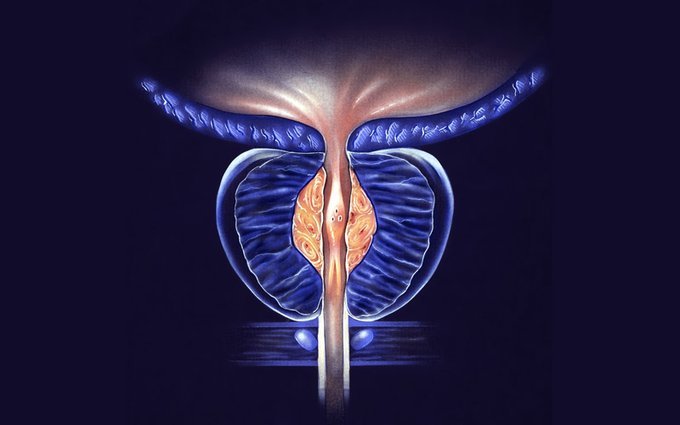
The prostate is a small gland located below the bladder and surrounding part of the urethra.
Its primary function is producing components of seminal fluid.
In younger men, the prostate is usually about the size of a walnut. But with age, the gland often enlarges gradually.
This enlargement may place pressure on the urethra, contributing to urinary symptoms.
Importantly, prostate enlargement is not the same as prostate cancer. Many men experience benign enlargement as part of aging without developing cancer.
Still, ongoing medical monitoring remains important for long-term prostate health.
Why Prostate Problems Increase With Age
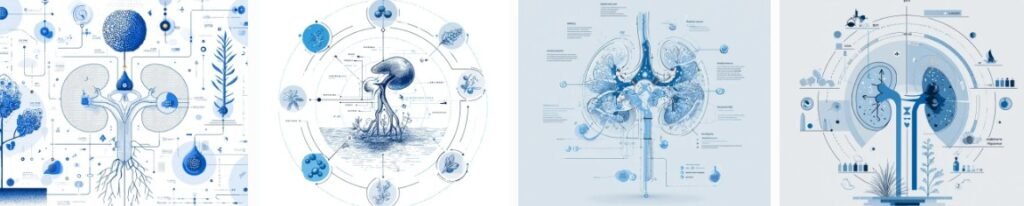
Several biological systems influence prostate aging.
These include:
- Hormonal changes
- Chronic inflammation
- Oxidative stress
- Metabolic health
- Circulation
- Lifestyle factors
- Sleep quality
Researchers increasingly recognize that prostate aging is not an isolated organ issue. It reflects broader systemic aging processes occurring throughout the body.
Hormones and the Prostate
Hormonal signaling strongly affects prostate tissue.
One hormone frequently discussed is dihydrotestosterone (DHT), a derivative of testosterone.
DHT plays important roles in male development, but excessive DHT activity may contribute to prostate enlargement in some individuals.
This is why some prostate-support ingredients aim to influence hormonal pathways associated with DHT metabolism.
However, hormone biology is highly complex. More is not always better, and simplistic “testosterone boosting” approaches may not reflect the full picture of healthy aging.
Chronic Inflammation and Prostate Health
Inflammation appears to play a major role in many age-related health conditions, including prostate dysfunction.
Researchers have identified inflammatory changes in prostate tissue among many men with urinary symptoms.
Potential contributors include:
- Sedentary lifestyle
- Poor diet quality
- Obesity
- Metabolic dysfunction
- Chronic stress
- Aging-related immune changes
Reducing overall inflammatory burden through lifestyle medicine may therefore support prostate health indirectly.
Blood Sugar and Metabolic Health
Metabolic health may also influence prostate function.
Some studies suggest links between:
- Obesity
- Insulin resistance
- Visceral fat accumulation
- Hormonal imbalance
- Lower urinary tract symptoms
This highlights the systems-based nature of prostate aging.
The prostate does not function independently from metabolism, sleep, circulation, or immune signaling.
Common Ingredients in Prostate Support Supplements
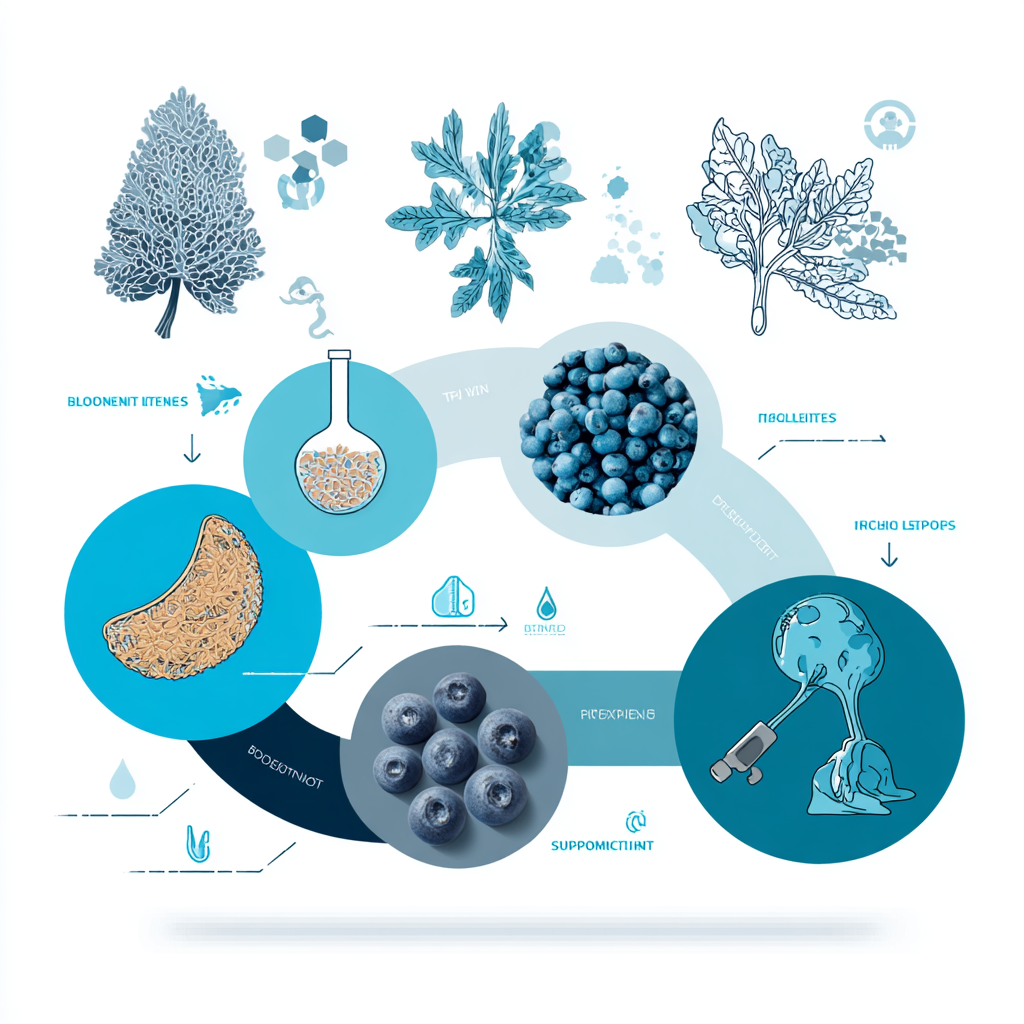
Many prostate supplements contain combinations of plant extracts, minerals, and antioxidants.
Common ingredients include:
Saw Palmetto
Perhaps the best-known prostate-support herb.
Beta-Sitosterol
A plant sterol studied for urinary symptom support.
Pygeum
An extract from African cherry bark traditionally used for urinary health.
Pumpkin Seed Extract
Associated with bladder and prostate wellness.
Zinc
An important mineral involved in prostate tissue biology.
Lycopene
An antioxidant found in tomatoes linked with prostate research.
Stinging Nettle Root
Often combined with saw palmetto in prostate formulations.
Research results vary across studies, and no supplement works universally for every individual.
The Importance of Evidence-Based Expectations
One of the biggest problems in the supplement industry is exaggerated claims.
Science generally supports realistic expectations rather than dramatic promises.
Some ingredients may modestly support:
- Urinary flow
- Nighttime urination frequency
- Inflammation balance
- Overall urinary comfort
But supplements are not substitutes for medical evaluation.
Men experiencing persistent urinary symptoms should consult healthcare professionals, especially because some symptoms may overlap with more serious conditions.
Lifestyle Still Matters Most
Even the best supplement cannot fully compensate for unhealthy lifestyle patterns.
Research increasingly supports lifestyle factors such as:
- Maintaining healthy body weight
- Regular physical activity
- Better sleep
- Balanced nutrition
- Stress management
- Reducing smoking and excessive alcohol use
These broader habits influence inflammation, circulation, hormone balance, and metabolic function.
Prostate Health as Part of Healthy Aging
Modern preventive medicine increasingly focuses on supporting healthy aging systems rather than simply treating disease after it develops.
The prostate represents one part of a much larger longevity conversation involving:
- Hormonal aging
- Metabolic resilience
- Immune balance
- Inflammation control
- Cellular repair
A systems-based perspective helps move beyond fear-based marketing toward a more realistic understanding of men’s health.

The Bigger Picture
Prostate support supplements may play a supportive role for some individuals, especially when paired with healthy lifestyle habits and medical guidance.
But long-term prostate wellness is not about one miracle ingredient.
It is about supporting the body’s interconnected systems over time.
The future of preventive men’s health may increasingly combine:
- Lifestyle medicine
- Personalized prevention
- Biomarker tracking
- Nutritional support
- Evidence-based supplementation
- Healthy aging science
Understanding this bigger picture helps create more balanced and informed conversations around prostate health and wellness.
👉 Explore science-based prostate support supplement comparisons and ingredient quality.