
The Brain’s Hidden Energy Crisis: Why Cognitive Decline Often Begins with Metabolism
Modern conversations about brain aging often focus on plaques, genetics, or the inevitability of growing older. Yet emerging research suggests another perspective: many brain problems may begin as energy problems.
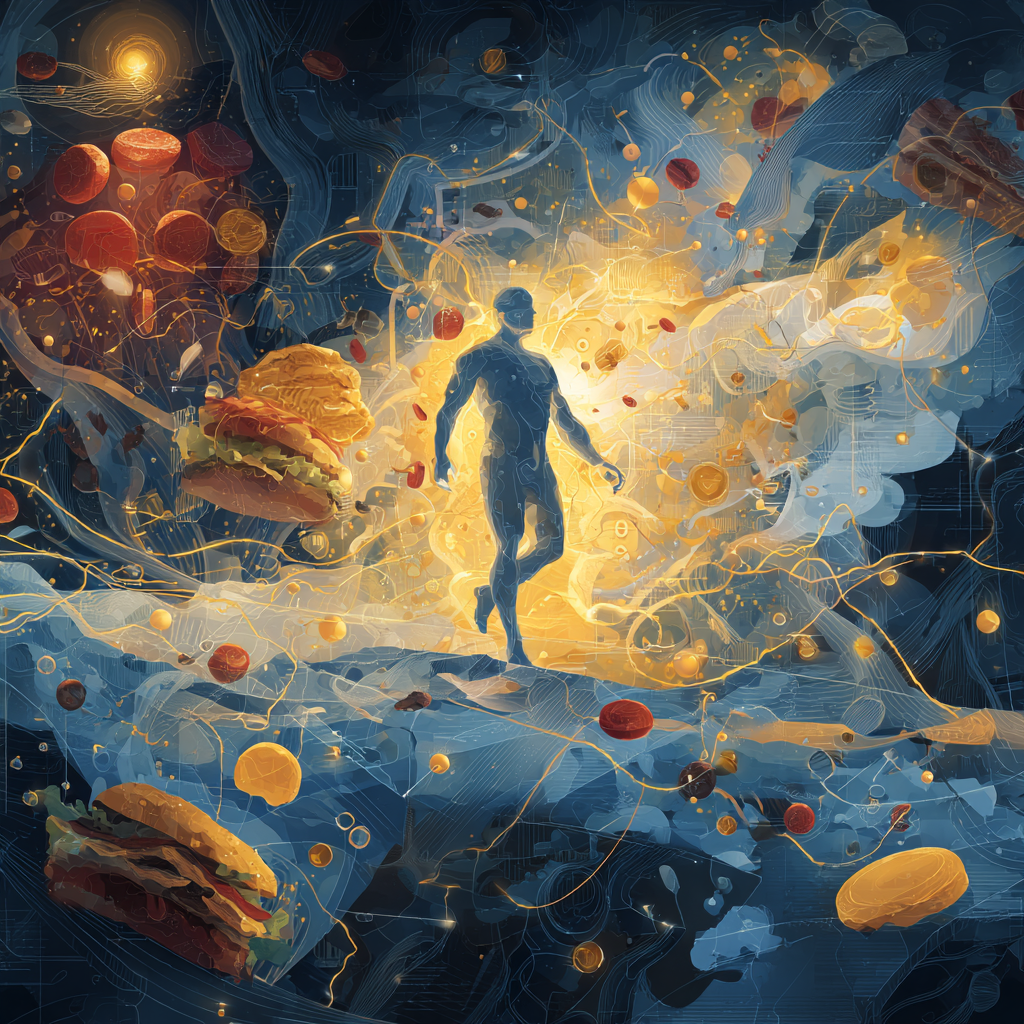
The human brain represents only about 2% of body weight, yet it consumes approximately 20% of the body’s total energy expenditure. Every thought, memory, emotion, and movement depends upon an uninterrupted supply of cellular fuel.
When brain cells struggle to generate energy efficiently, subtle changes can emerge long before significant cognitive decline becomes visible.
The Brain as an Energy Organ
Neurons are among the most metabolically active cells in the human body. Unlike muscle tissue, which can temporarily tolerate reduced energy availability, neurons require continuous ATP production.

ATP (adenosine triphosphate) powers:
- Neurotransmitter production
- Signal transmission
- Memory consolidation
- Synaptic plasticity
- Cellular repair mechanisms
- Waste clearance systems
Even small disruptions may affect how we think and feel.
Signs of Brain Energy Dysfunction
Many people experience symptoms that may reflect declining brain energy efficiency:
- Afternoon mental crashes
- Brain fog
- Reduced concentration
- Forgetfulness
- Slower information processing
- Increased stress sensitivity
- Fatigue despite adequate sleep
- Reduced motivation
These symptoms are often dismissed as normal aging.
However, they may represent early metabolic stress.
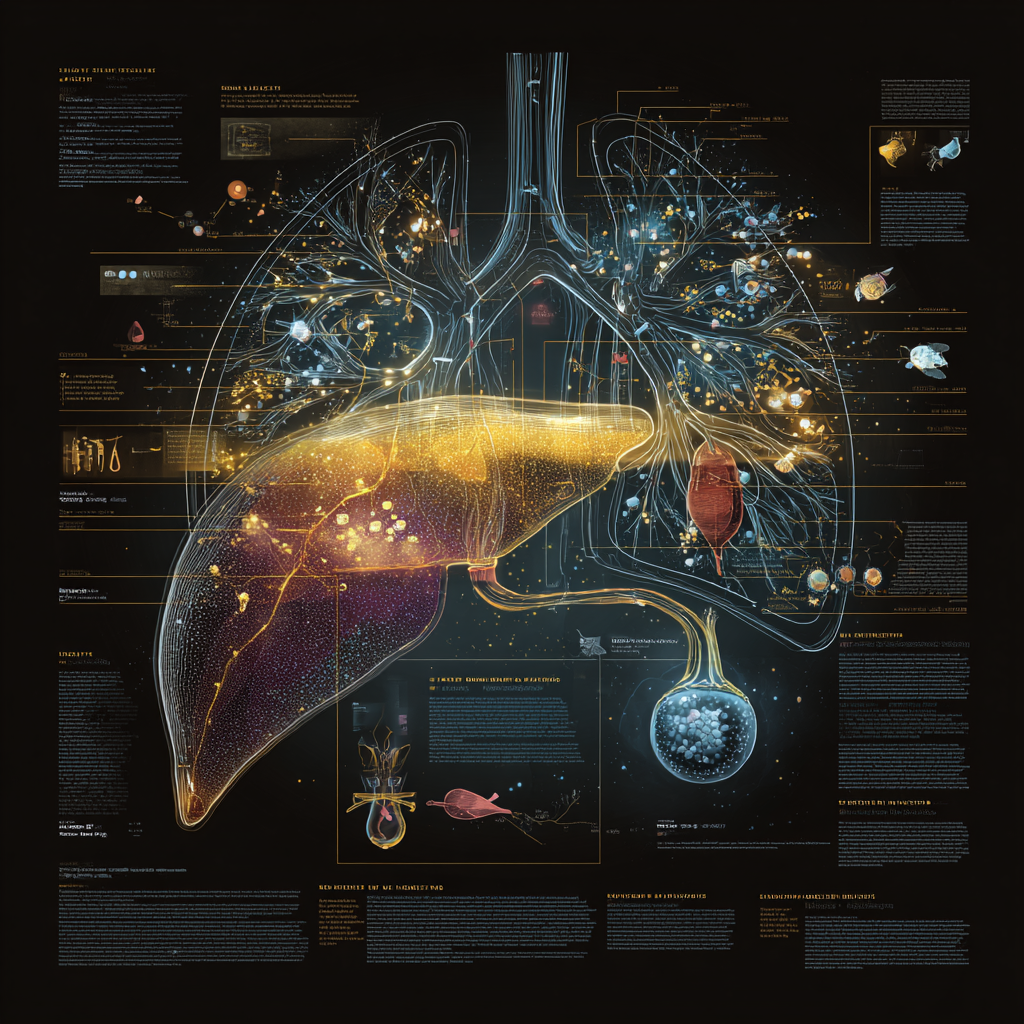
Mitochondria: The Brain’s Power Plants
Inside every neuron are mitochondria.
These tiny organelles convert nutrients into usable energy through oxidative phosphorylation.
Healthy mitochondria support:
- Cognitive flexibility
- Emotional regulation
- Learning capacity
- Neural resilience
Damaged mitochondria may contribute to:
- Oxidative stress
- Neuroinflammation
- Impaired memory
- Accelerated aging
Many researchers now describe neurodegenerative diseases as disorders involving mitochondrial dysfunction.

Why Modern Life Challenges Brain Energy
Several factors can undermine mitochondrial performance:
Chronic Sleep Restriction
Poor sleep impairs:
- Glucose metabolism
- ATP production
- Cellular repair
- Glymphatic waste clearance
Blood Sugar Instability
Repeated glucose spikes and crashes expose neurons to metabolic stress.
Insulin resistance has even been described by some scientists as contributing to “type 3 diabetes” in the brain.
Sedentary Living
Physical activity stimulates:
- Mitochondrial biogenesis
- Blood flow
- Brain-derived neurotrophic factor (BDNF)
Without movement, these protective systems decline.
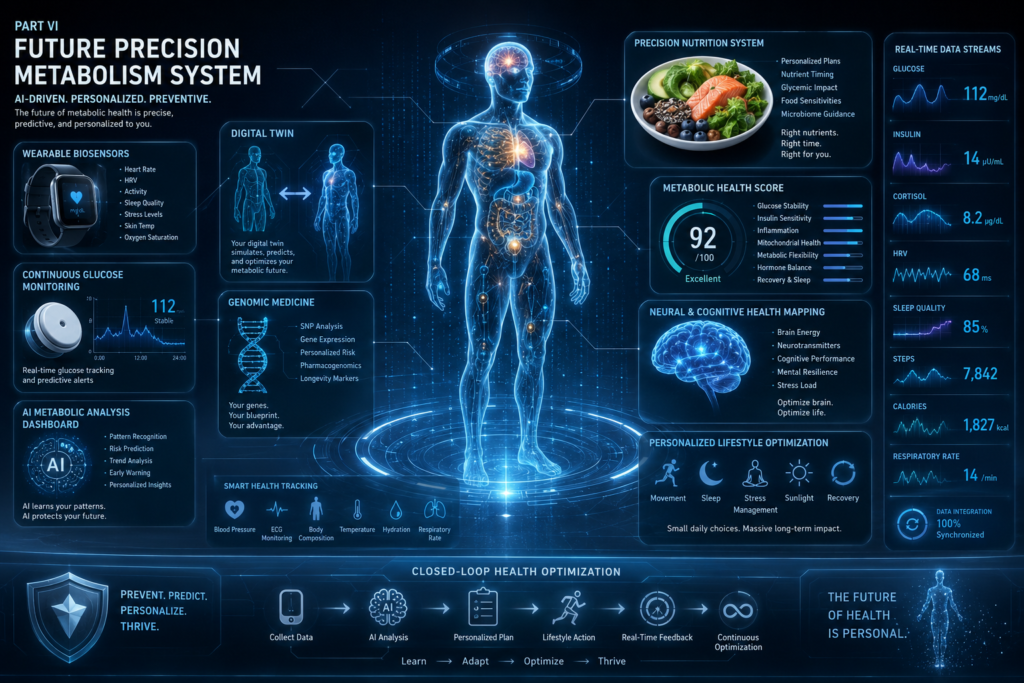
Chronic Stress
Elevated cortisol affects:
- Hippocampal function
- Synaptic plasticity
- Mitochondrial efficiency
Long-term stress becomes an energy drain.
The Good News
Brain energy systems remain remarkably adaptable.
Neuroplasticity allows the brain to respond positively to lifestyle interventions throughout life.
Even later adulthood can bring improvements through:
- Better sleep habits
- Physical activity
- Nutritional optimization
- Stress reduction
- Cognitive engagement
The Systems Perspective
The Brain Energy Reset proposes that brain health is not isolated.
It emerges from interactions among:
- Metabolism
- Circulation
- Immunity
- Hormonal signaling
- Sleep biology
- Lifestyle behaviors
Supporting these systems together may help preserve cognitive vitality.

A New Narrative
Growing older does not automatically mean losing oneself.
While aging affects everyone, the trajectory of cognitive aging appears highly variable.
Rather than asking:
“How do I stop aging?”
A more useful question may be:
“How can I improve the energy environment in which my brain operates?”
The answer often begins with everyday choices.
Key Takeaway
Brain aging is not simply a story of decline.
It is also a story of resilience, adaptation, and energy management.
Protecting cognitive function may start by nourishing the biological systems that power every thought we have.
Explore Science-Based Guides for Preventive Care and Healthy Support