
The Future of Dentistry
AI, Regeneration, Precision Prevention, and Human Longevity
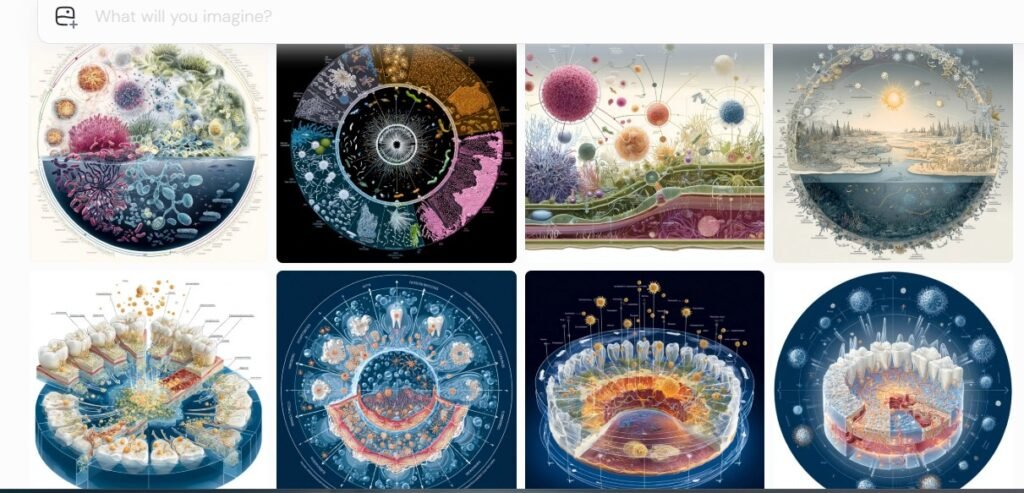
Dentistry is entering one of the most transformative periods in its history.
For generations, dental care focused primarily on repairing damage after disease had already progressed. Fillings, crowns, root canals, and extractions became the standard tools of treatment.
But advances in systems medicine, artificial intelligence, biomarker science, regenerative biology, and precision healthcare are rapidly reshaping the future of oral medicine.
Tomorrow’s dentistry may look radically different from the dentistry of the past.
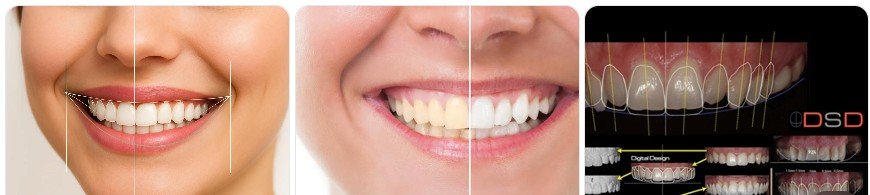
From Reactive Dentistry to Predictive Dentistry
Traditional dentistry often reacts to disease after symptoms appear.
Future dentistry increasingly aims to predict risk before major damage occurs.
This shift involves:
- early detection
- biomarker monitoring
- microbiome analysis
- AI-assisted diagnostics
- personalized prevention
The goal is preserving oral resilience rather than repeatedly repairing biological breakdown.
Artificial Intelligence in Dentistry
AI is already transforming dental imaging and diagnostics.
Modern systems can assist clinicians by analyzing:
- X-rays
- CBCT scans
- intraoral imaging
- gum measurements
- cavity risk
- bone density
- oral lesions
AI may help identify abnormalities earlier and improve diagnostic consistency.
Future AI systems may also integrate:
- medical history
- genetics
- metabolic biomarkers
- microbiome data
- inflammatory profiles
to create personalized oral health strategies.
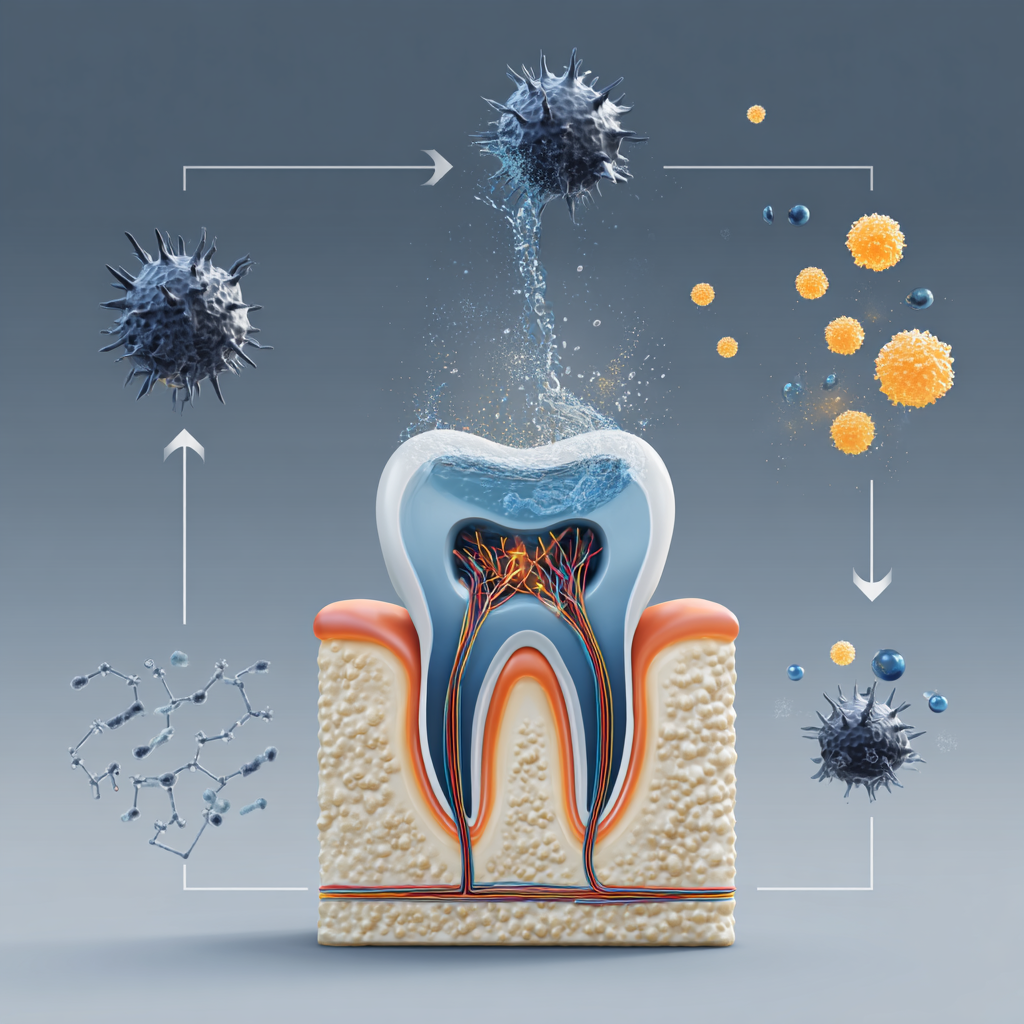
Saliva as a Diagnostic Window
Saliva contains enormous biological information.
Researchers increasingly study salivary biomarkers related to:
- inflammation
- hormones
- immune activity
- stress physiology
- metabolic disease
- oral cancer
- microbial composition
Future dental visits may involve advanced saliva testing capable of detecting systemic disease risk long before symptoms develop.
This could transform dentistry into an early-warning system for chronic disease.
Regenerative Dentistry
One of the most exciting frontiers involves regenerative medicine.
Researchers are exploring ways to regenerate:
- enamel
- dentin
- periodontal tissue
- bone
- pulp tissue
Stem-cell therapies and biomaterials may eventually reduce the need for traditional restorations.
Future dentistry may increasingly focus on biological repair instead of artificial replacement.
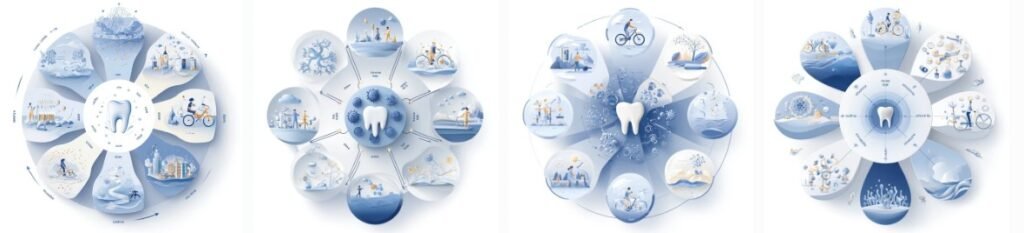
Precision Oral Medicine
Every patient has unique genetics, microbiome patterns, immune responses, and disease risks.
Precision dentistry aims to personalize care based on individual biology.
This may include:
- personalized hygiene protocols
- targeted antimicrobial therapies
- microbiome-guided interventions
- customized nutrition strategies
- genetic risk analysis
- inflammation monitoring
The future of dentistry may become highly individualized.
Airway Dentistry and Sleep Health
Modern dentistry increasingly overlaps with sleep medicine.
Dentists may help identify signs of:
- sleep apnea
- mouth breathing
- airway obstruction
- jaw dysfunction
Poor sleep affects:
- inflammation
- metabolic health
- immunity
- brain function
- cardiovascular health
This systems-based perspective is expanding the role of dentistry beyond teeth alone.
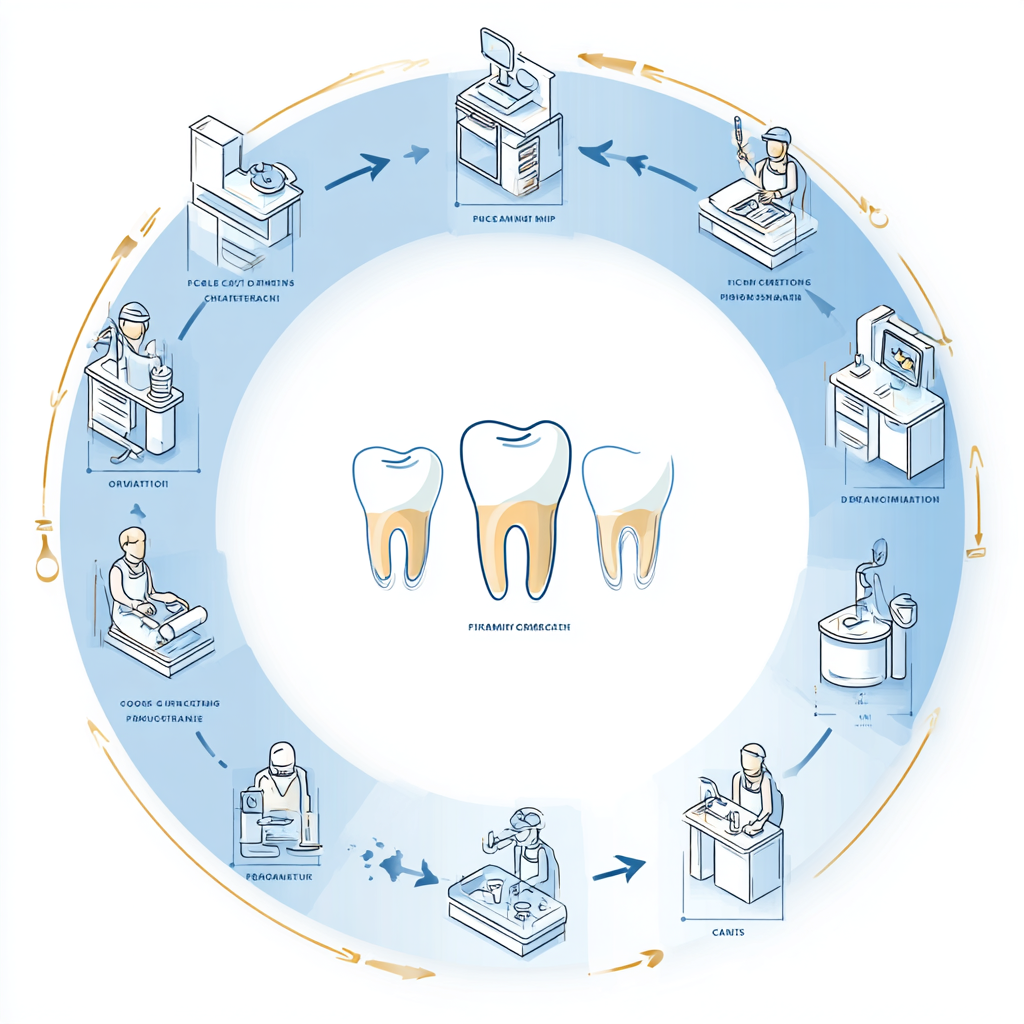
Oral Health and Healthy Aging
As populations age globally, preserving oral function becomes increasingly important.
Tooth loss, gum disease, and impaired chewing may affect:
- nutrition
- cognition
- frailty
- social health
- quality of life
Longevity-focused dentistry emphasizes maintaining:
- functional teeth
- healthy gums
- jawbone integrity
- oral microbiome balance
- salivary function
across the lifespan.
Digital Dentistry and Advanced Technology
Digital technologies are accelerating innovation.
Modern tools include:
- 3D printing
- CAD/CAM restorations
- digital impressions
- robotic surgery
- laser dentistry
- augmented reality planning
These technologies may improve efficiency, comfort, and precision.
The Systems Medicine Model
The future of dentistry increasingly aligns with systems medicine.
This means recognizing interactions between:
- oral health
- metabolism
- inflammation
- immunity
- cardiovascular health
- brain aging
- nutrition
- lifestyle
Dentistry may become a central component of preventive healthcare and longevity medicine.
Final Thoughts
The future of dentistry is about far more than repairing teeth.
It is about:
- prevention
- precision medicine
- biological resilience
- inflammation control
- regenerative health
- healthy aging
Modern dentistry is evolving into a systems-based medical discipline connected to the entire human body.
The mouth may ultimately become one of the most important windows into lifelong health and human longevity.
👉 Explore Evidence-Based Dental Care Options