
Inflammation, Stress, and Metabolic Burnout
The Hidden Drivers of Weight Gain and Fatigue

Many people believe metabolism is controlled only by food and exercise.
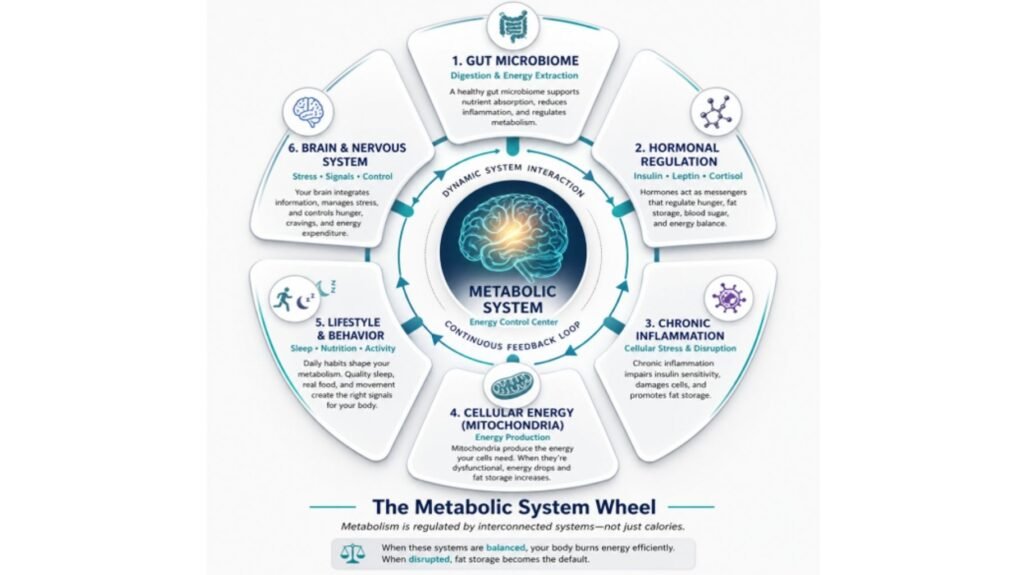
But chronic stress and inflammation may profoundly affect how the body stores energy, regulates appetite, and maintains resilience.
The modern world exposes people to nearly constant stressors:
- Sleep deprivation
- Information overload
- Financial stress
- Sedentary behavior
- Processed foods
- Environmental toxins
- Emotional exhaustion
Over time, the body may shift into a chronic survival state.
Cortisol and Metabolism
Cortisol helps the body respond to stress.
Short-term cortisol elevation is normal and protective.
But chronic elevation may contribute to:
- Abdominal fat storage
- Blood sugar instability
- Cravings
- Sleep disruption
- Muscle breakdown
This creates a feedback loop:
Stress → Poor sleep → Cravings → Inflammation → More stress.

Chronic Inflammation
Low-grade chronic inflammation is increasingly linked to:
- Obesity
- Diabetes
- Cardiovascular disease
- Neurodegeneration
Inflammation may interfere with:
- Hormone signaling
- Insulin sensitivity
- Mitochondrial function
Many modern diseases share inflammatory pathways.
Recovery as a Metabolic Strategy
The Metabolism Reset Blueprint emphasizes recovery, not just restriction.
Recovery-supportive habits may include:
- Consistent sleep
- Sunlight exposure
- Daily movement
- Whole-food nutrition
- Social connection
- Mindfulness practices
- Stress reduction routines
Health is not built only in the gym.
It is built through daily biological recovery.
The Nervous System Connection
Metabolism and the nervous system are deeply interconnected.
When the body feels chronically unsafe or overloaded, it may prioritize survival over optimization.
Supporting nervous system regulation may improve:
- Sleep quality
- Appetite control
- Recovery capacity
- Emotional resilience
This systems-based perspective is becoming increasingly important in preventive medicine.

Final Thoughts
Stress and inflammation are not secondary issues in metabolic health.
They are often central drivers of metabolic dysfunction.
The Metabolism Reset Blueprint encourages a more compassionate and biologically intelligent approach:
Support the body rather than constantly fighting against it.
Sustainable recovery may produce more lasting results than extreme restriction.
Your metabolism is not broken forever.
With the right daily habits, the body can often restore healthier energy balance, improve fat-burning efficiency, and support long-term metabolic resilience naturally.