
The Brain–Hearing Connection
Why Auditory Health May Influence Cognitive Aging
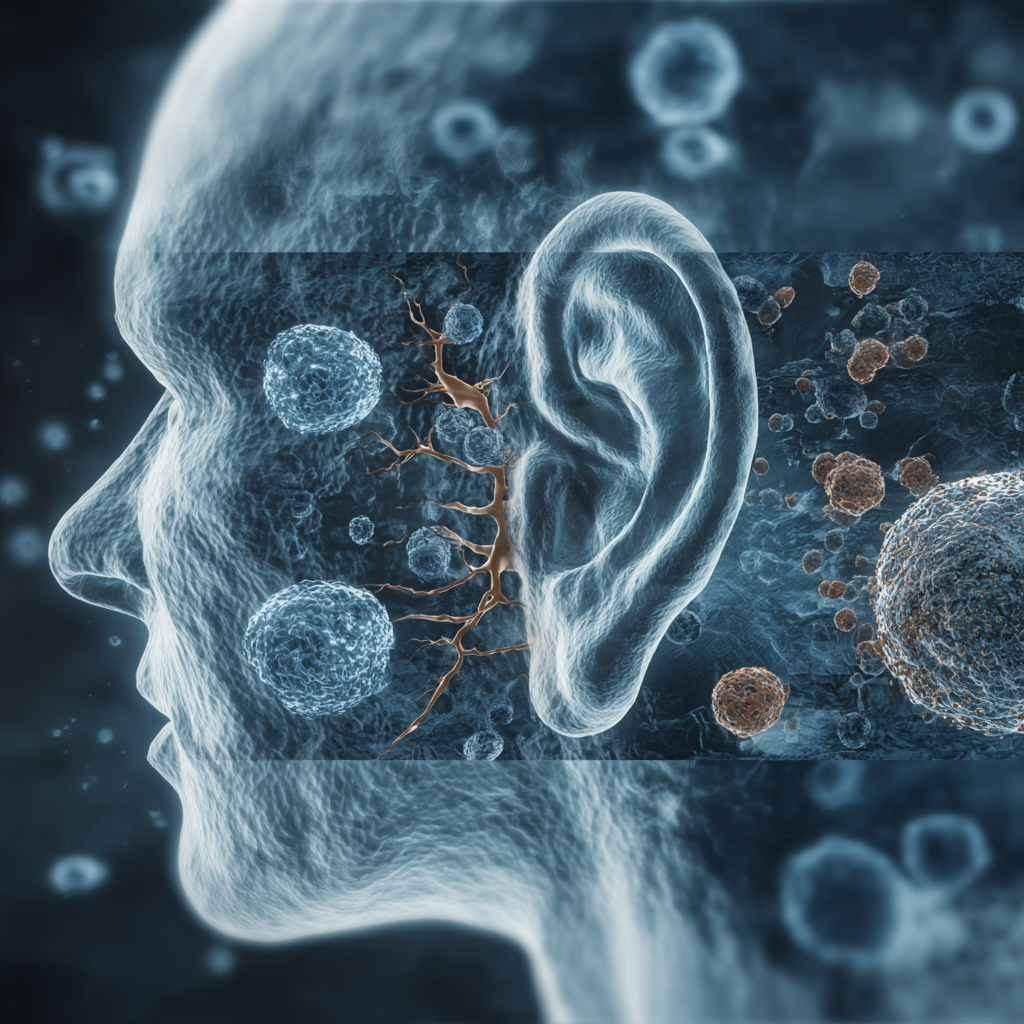
Hearing is not simply a mechanical process.
It is deeply connected to brain function.
Modern neuroscience increasingly explores how auditory health may influence:
- Memory
- Attention
- Cognitive load
- Social engagement
- Emotional resilience
- Brain aging
The Hearing Support Blueprint views hearing wellness as part of broader brain longevity.
Hearing Requires Brain Energy
The brain constantly processes:
- Sound location
- Speech recognition
- Tone interpretation
- Language filtering
- Background noise suppression
When hearing declines, the brain often works harder to fill in missing information.
This increased effort may contribute to listening fatigue and cognitive exhaustion.
Social Connection Matters
Communication is essential to brain stimulation.
Hearing difficulties may reduce:
- Conversation participation
- Social interaction
- Mental engagement
Long-term social isolation is increasingly associated with poorer cognitive health outcomes.
Protecting hearing may therefore support healthier aging beyond the ears alone.
Cognitive Load and Listening Fatigue
Many individuals with hearing decline report:
- Mental exhaustion after conversations
- Difficulty concentrating
- Reduced focus in noisy environments
This may occur because the brain allocates more resources toward decoding sound.

Lifestyle and Brain Resilience
Many lifestyle strategies that support cardiovascular and metabolic health may also support brain and auditory systems.
Examples include:
- Exercise
- Sleep optimization
- Stress management
- Anti-inflammatory nutrition
- Blood sugar stability
The body’s systems are interconnected.
Final Thoughts
The brain and auditory system function together as an integrated sensory network.
The Hearing Support Blueprint encourages preventive awareness:
Support hearing https://usupton.com/hearing-support-supplements-review/health not only for sound clarity, but for long-term cognitive resilience and quality of life.
The ability to hear a loved one’s voice, enjoy music, and stay connected to the world is worth protecting. Begin your journey toward better hearing awareness and lifelong cognitive well-being.