
The Mouth as a Window to the Body
Why Modern Dentistry Is About More Than Teeth
For generations, dentistry was often viewed as a specialty focused on fillings, extractions, and cleaning teeth. Many people still think of dental visits as appointments designed simply to prevent cavities or fix toothaches.
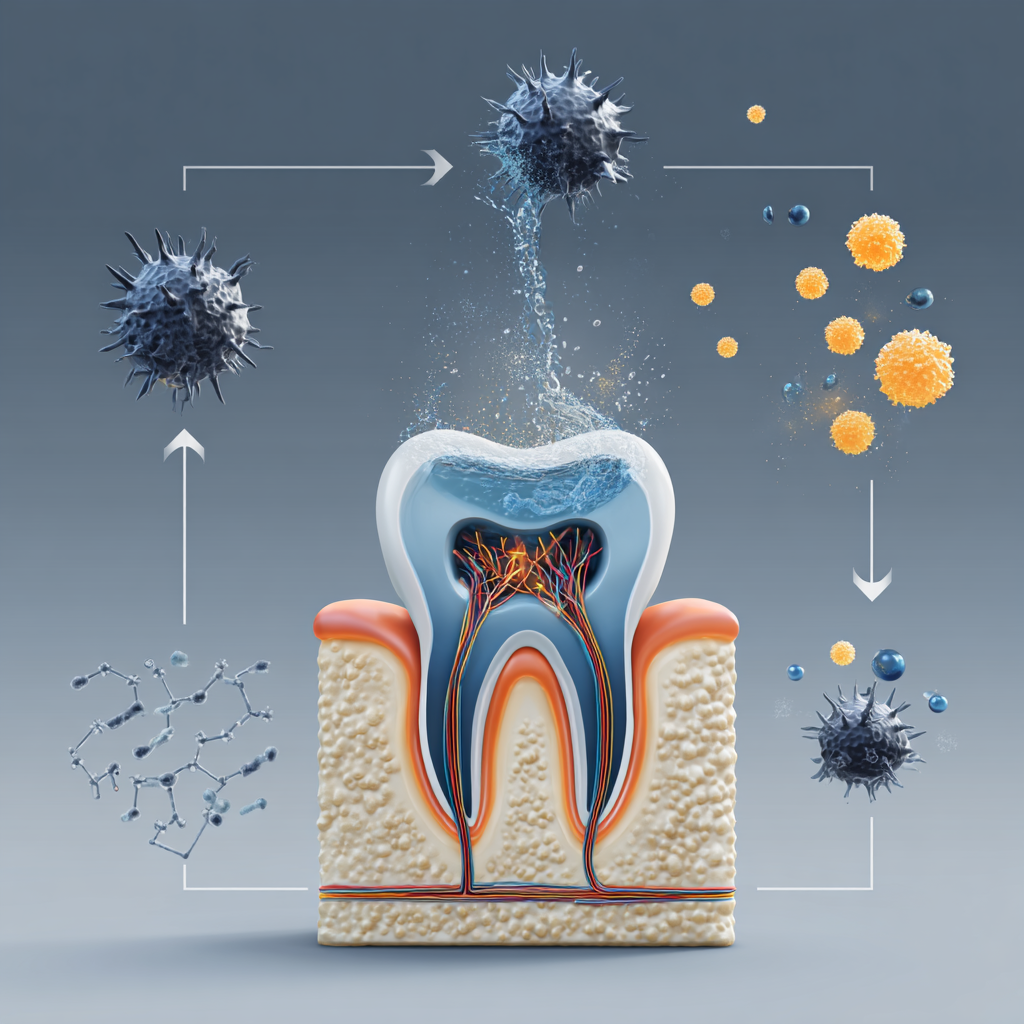
Figure 1. The Complete Guide to Modern Dentistry
From Oral Biology to Whole-Body Health
Modern dentistry extends far beyond treating cavities and restoring smiles. The mouth serves as a dynamic biological gateway, where teeth, gums, saliva, oral microbiota, immune defenses, and neural pathways interact continuously with the rest of the body. As illustrated in this framework, oral tissues exist within a complex cycle of microbial activity, inflammation, immune regulation, tissue repair, and systemic communication.
Emerging research reveals that poor oral health is associated with cardiovascular disease, diabetes, cognitive decline, adverse pregnancy outcomes, and chronic inflammation. Understanding these connections transforms dentistry from a procedure-based discipline into an essential component of preventive medicine and lifelong wellness.
By exploring oral biology through a systems-based lens, this guide empowers readers to appreciate how daily habits, nutrition, microbiome balance, and early intervention support not only healthy teeth and gums, but also resilience throughout the entire body. Protecting oral health is ultimately an investment in overall health, vitality, and healthy aging.
Modern dentistry, however, has evolved into something much larger.
Today, oral health is increasingly recognized as an essential component of whole-body health. Researchers understand that the mouth reflects—and influences—the condition of multiple biological systems throughout the body. The oral cavity serves as an ecosystem where microbes, immune cells, saliva, hormones, blood vessels, and nerves constantly interact.
The question is no longer:
“Do you have cavities?”
The question has become:
“What is your mouth telling us about your overall health?”
The Oral-Systemic Connection
The human body functions as an interconnected system.
The mouth does not operate independently from the brain, heart, immune system, digestive tract, or endocrine organs.
Instead, oral tissues communicate continuously with the rest of the body.
Examples include:
Cardiovascular Health
Chronic periodontal inflammation has been associated with increased cardiovascular risk.
Inflammatory molecules released from diseased gums may contribute to vascular dysfunction.
Researchers continue investigating whether treating gum disease can improve heart outcomes.
Diabetes and Blood Sugar
The relationship between diabetes and periodontal disease is bidirectional.
Poor blood sugar control increases susceptibility to infection and impairs healing.
Meanwhile, severe periodontal disease may worsen systemic inflammation and insulin resistance.
Improved oral care has been linked to better glycemic management in some patients.
Pregnancy Outcomes
Hormonal changes alter the oral environment.
Pregnant women may experience:
- Pregnancy gingivitis
- Increased gum sensitivity
- Oral microbial changes
Untreated severe periodontal disease has been investigated as a possible contributor to adverse pregnancy outcomes.
Brain Health
Scientists are exploring associations between oral inflammation and cognitive decline.
Potential pathways include:
- Chronic systemic inflammation
- Immune activation
- Microbial influences
- Vascular changes
Although research is ongoing, maintaining oral health may support healthy aging.
The Oral Microbiome
Your mouth hosts one of the most diverse microbial communities in the body.
More than 700 bacterial species have been identified.
These organisms form complex biofilms that influence health.
A balanced oral microbiome contributes to:
- Protection against pathogens
- Immune regulation
- Tissue health
- Stable pH levels
When disrupted, dysbiosis may develop.
Potential consequences include:
- Tooth decay
- Gingivitis
- Periodontitis
- Bad breath
- Opportunistic infections
Modern dentistry increasingly focuses on ecological balance rather than simply eliminating bacteria.
Figure 2. The Oral Microbiome. Your mouth hosts one of the most diverse microbial communities in the body.
The oral microbiome is a complex ecosystem composed of hundreds of species of bacteria, fungi, viruses, and other microorganisms that inhabit the teeth, tongue, gums, and saliva. In a healthy state, these microbes exist in a delicate balance, supporting digestion, maintaining oral pH, defending against harmful pathogens, and helping regulate local immune responses. However, poor nutrition, inadequate oral hygiene, smoking, chronic stress, and certain medications can disrupt this balance, leading to microbial dysbiosis. Such changes contribute not only to tooth decay and periodontal disease but are increasingly linked to systemic conditions including cardiovascular disease, diabetes, rheumatoid arthritis, and cognitive decline. Modern dentistry recognizes that oral health cannot be separated from whole-body health. By promoting microbial diversity through preventive care, healthy lifestyle habits, and early intervention, we can protect both the integrity of the oral environment and long-term human health.
Saliva: The Forgotten Superfluid
Saliva is often overlooked.
Yet it performs remarkable functions.
It helps:
- Neutralize acids
- Begin digestion
- Lubricate tissues
- Protect enamel
- Deliver minerals
- Control microbes
- Support taste
- Facilitate speech
Reduced saliva production can dramatically affect quality of life.
Common causes include:
- Medications
- Aging
- Radiation therapy
- Autoimmune disorders
- Dehydration
Protecting salivary function has become an important aspect of preventive dentistry.
Prevention as the New Standard
Modern dentistry emphasizes prevention.
Rather than waiting for disease to progress, clinicians seek to identify risk early.
Preventive strategies include:
- Individualized risk assessments
- Professional cleanings
- Fluoride therapies
- Sealants
- Dietary counseling
- Tobacco cessation support
- Oral hygiene coaching
The goal is preserving natural tissues whenever possible.
Dentistry and Longevity
People are living longer.
Maintaining oral function becomes increasingly important.
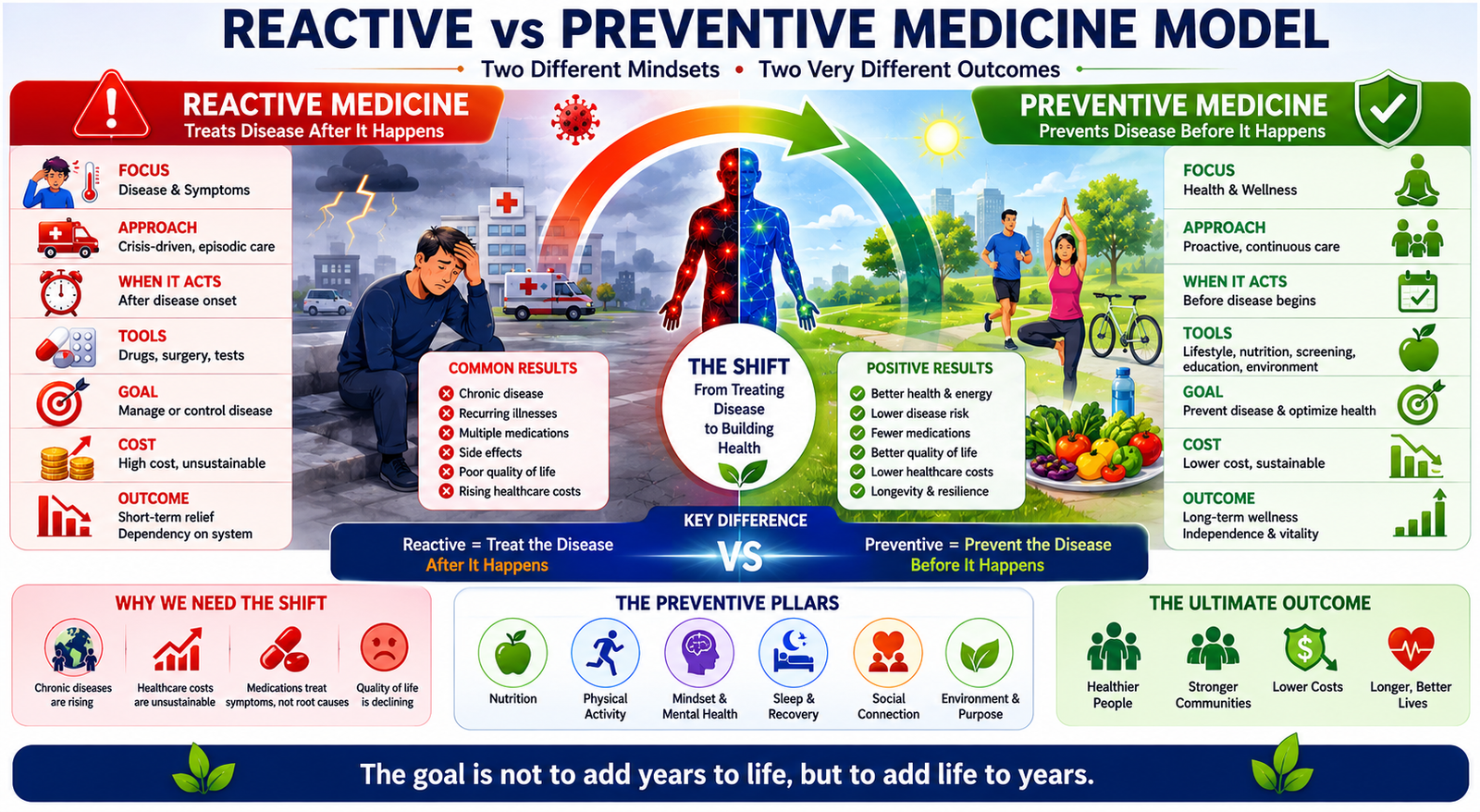
Figure 3. Dentistry and Longevity. People are living longer. Maintaining oral function becomes increasingly important.
As human life expectancy continues to rise, preserving oral health has become a fundamental pillar of healthy aging. Teeth are essential not only for chewing and nutrition but also for speech, social interaction, self-confidence, and overall quality of life. Age-related changes such as tooth loss, periodontal disease, dry mouth, reduced chewing efficiency, and oral infections can contribute to malnutrition, frailty, systemic inflammation, and declining independence. Emerging evidence also links poor oral health with cardiovascular disease, diabetes, cognitive impairment, and other chronic conditions common in later life. Modern dentistry therefore plays a vital role in longevity medicine by emphasizing prevention, early intervention, functional preservation, and lifelong oral care. Maintaining healthy teeth, gums, and oral function enables older adults to remain active, socially engaged, and nutritionally resilient. The goal is not simply to extend lifespan, but to preserve dignity, vitality, and the ability to enjoy life throughout the aging journey.
Healthy teeth and gums support:
- Proper nutrition
- Social confidence
- Speech
- Cognitive engagement
- Quality of life
Modern dentistry contributes not only to appearance, but also to healthy aging.
Key Takeaway
Your mouth is not separate from your body.
It is a dynamic biological interface that reflects systemic health and influences long-term well-being.
Understanding this connection transforms dentistry from a repair service into a cornerstone of preventive medicine.
The future of oral health extends far beyond the dental chair. By connecting the mouth to the body’s biological networks, modern dentistry is emerging as a powerful pillar of preventive medicine, precision health, and healthy aging. Begin exploring how oral intelligence may shape the future of human longevity.