
Nutrition, Lifestyle, and Prostate Wellness
Daily Habits That May Support Healthy Aging
When discussing prostate health, many people immediately think about supplements.
But research increasingly suggests that daily lifestyle habits may influence prostate wellness just as much—or even more—than individual products.
The prostate responds to the body’s larger biological environment.
Figure 1. Nutrition, Lifestyle, and Prostate Wellness for Daily Habits That May Support Healthy Aging
When discussing prostate health, many people immediately think about supplements. Yet the foundation of long-term prostate wellness is built through everyday habits that influence the body’s internal environment. That environment is shaped daily by nutrition, sleep quality, physical activity, stress management, metabolic health, and inflammation balance.
A diet rich in vegetables, fruits, whole grains, legumes, healthy fats, and antioxidant-containing foods may help support normal cellular function and healthy aging. Regular movement improves circulation, promotes metabolic resilience, and contributes to maintaining a healthy body weight. Consistent, restorative sleep allows the body to repair and regulate hormonal processes, while effective stress management helps moderate physiological responses linked to chronic inflammation.
Emerging research also highlights the close relationship between metabolic health and prostate well-being. Stable blood sugar regulation and reduced inflammatory burden may create a more favorable environment for healthy aging. Rather than relying on a single solution, a comprehensive lifestyle approach provides a practical pathway toward supporting prostate health and overall vitality throughout life.
That environment is shaped daily by:
- Nutrition
- Sleep
- Movement
- Stress
- Metabolic health
- Inflammation balance
This is why preventive men’s health increasingly focuses on lifestyle medicine alongside supplementation.
Diet Patterns Matter More Than Single Foods
There is no single “perfect prostate food.”
Instead, overall dietary patterns appear more important.
Research often associates healthier aging patterns with diets emphasizing:
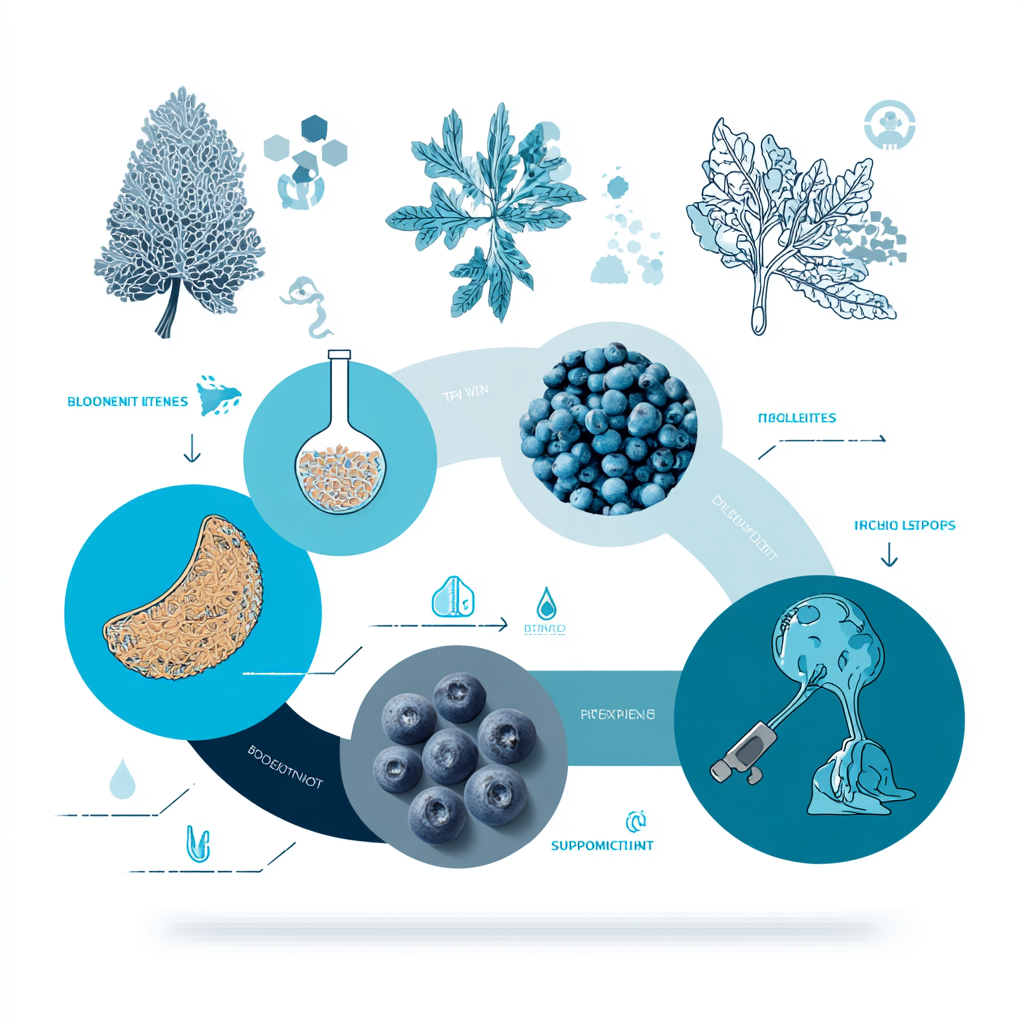
Figure 2. Diet Patterns Matter More Than Single Foods
There is no single “perfect prostate food.” Prostate wellness is influenced less by one specific ingredient and more by the overall pattern of eating practiced consistently over time. A dietary approach centered on variety, balance, and whole foods may provide a supportive environment for healthy aging.
Research suggests that diets rich in colorful fruits, vegetables, legumes, nuts, seeds, whole grains, and healthy fats supply a broad spectrum of nutrients, fiber, and plant compounds that help maintain normal metabolic and inflammatory balance.
Foods such as berries, leafy greens, tomatoes, and flaxseeds are often highlighted, but their greatest value comes as part of a diverse dietary pattern rather than as isolated solutions.
At the same time, limiting excessive intake of highly processed foods, added sugars, and unhealthy fats may support overall metabolic health. Small, sustainable choices repeated daily often have a greater impact than short-term dietary trends. In the context of prostate wellness, consistency—not perfection—may be one of the most powerful nutritional strategies for lifelong health.
- Vegetables
- Fruits
- Whole grains
- Legumes
- Fish
- Nuts and seeds
- Healthy fats
At the same time, highly processed diets rich in excess sugar, refined carbohydrates, and ultra-processed foods may contribute to metabolic dysfunction and inflammation.
The systems-based perspective looks at long-term patterns rather than isolated superfoods.
Lycopene and Tomato Research
Lycopene is a carotenoid antioxidant found in tomatoes and watermelon.
It has attracted attention because prostate tissue appears to accumulate relatively high levels of lycopene.
Some observational studies suggest diets rich in tomato products may support prostate health.
However, nutrition science remains complex.
No single nutrient works independently from the rest of the diet and lifestyle environment.
Fiber and Metabolic Balance
Fiber supports multiple systems connected to healthy aging.
Potential benefits include:
- Better blood sugar regulation
- Improved satiety
- Gut microbiome support
- Reduced metabolic stress
Since metabolic dysfunction and inflammation may influence prostate aging, fiber-rich dietary patterns may indirectly support prostate wellness.
Weight Management and Urinary Symptoms
Excess visceral fat may contribute to inflammatory signaling and metabolic dysfunction.
Some studies suggest obesity is associated with worsening lower urinary tract symptoms.
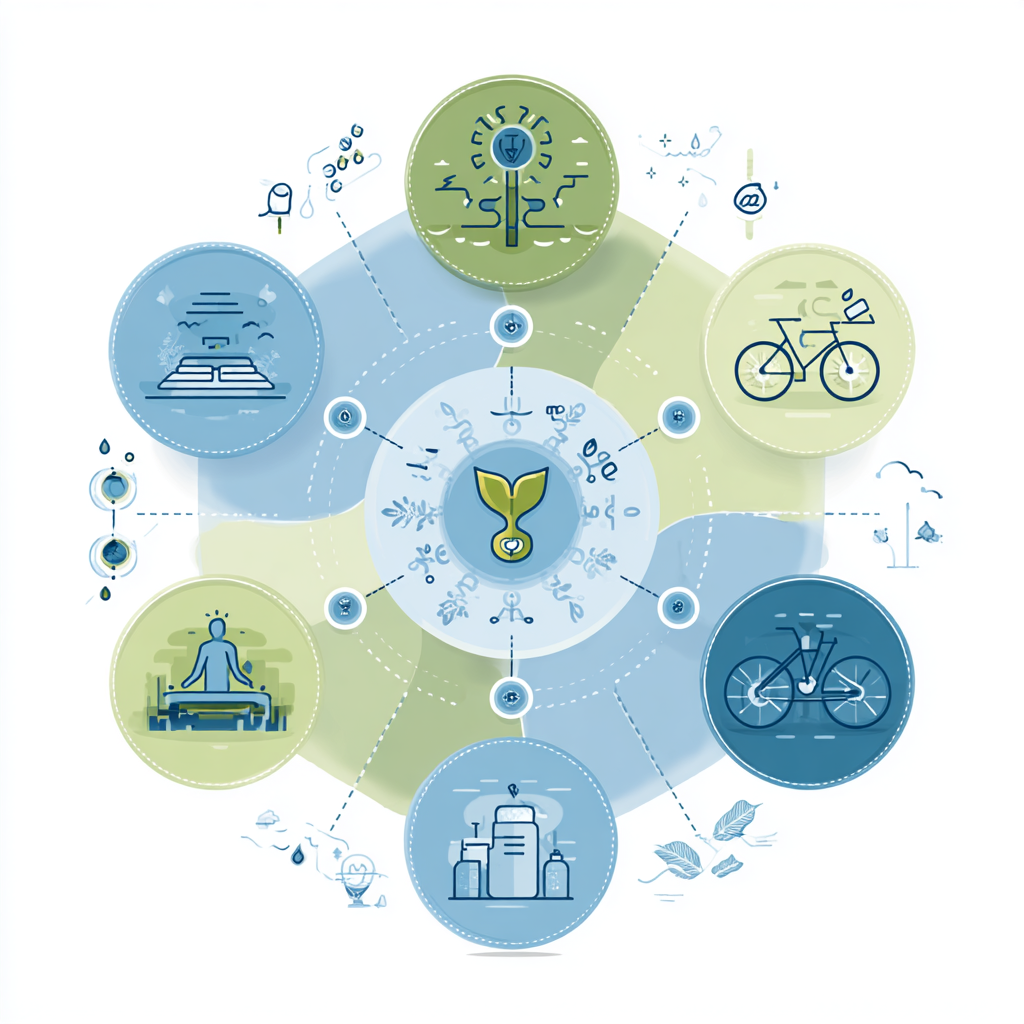
Figure 3. Weight Management and Urinary Symptoms
Excess visceral fat may contribute to inflammatory signaling and metabolic dysfunction, both of which can influence overall prostate health and urinary comfort as men age. While urinary symptoms can have many causes, maintaining a healthy body composition has been associated with better metabolic resilience and improved quality of life.
Visceral fat is metabolically active tissue that produces inflammatory compounds and may affect hormonal balance, insulin sensitivity, and vascular function. These changes can potentially place additional stress on the lower urinary tract and may be linked to more frequent nighttime urination, urgency, or reduced urinary flow in some individuals.
Sustainable weight management does not require extreme measures. Regular physical activity, balanced nutrition, restorative sleep, and stress reduction work together to support healthy metabolism and gradual weight control. Even modest improvements in body weight can have meaningful benefits for overall well-being.
Rather than focusing solely on symptom relief, adopting lifestyle habits that promote a healthy weight may support prostate wellness, enhance daily comfort, and contribute to healthier aging over the long term.
Healthy weight management may therefore support:
- Hormonal balance
- Sleep quality
- Circulation
- Metabolic resilience
Importantly, sustainable lifestyle change matters more than extreme dieting.
Sleep and Nighttime Urination
Sleep disruption is one of the most frustrating issues for many aging men.
Frequent nighttime urination may impair:
- Deep sleep
- Recovery
- Energy levels
- Mood
- Cognitive performance
At the same time, poor sleep may worsen inflammation and hormonal balance.
This creates a cycle where sleep and urinary health influence one another continuously.
Supporting healthy sleep routines becomes an important part of long-term wellness.
Movement as Preventive Medicine
Regular movement supports nearly every biological system associated with healthy aging.
Exercise may improve:
- Circulation
- Insulin sensitivity
- Body composition
- Mood
- Stress regulation
- Sleep quality
Resistance training is especially important because maintaining muscle mass supports metabolic health as men age.
Walking, mobility work, and consistent physical activity also contribute to overall resilience.
Stress and Men’s Health
Modern stress affects far more than mental well-being.
Chronic stress may influence:
- Cortisol levels
- Inflammation
- Sleep quality
- Hormonal balance
- Eating behavior
Stress management practices may support whole-body health.
Helpful approaches may include:
- Meditation
- Deep breathing
- Nature exposure
- Social connection
- Exercise
- Recovery time
The nervous system and immune system remain deeply interconnected.
Hydration and Bladder Habits
Hydration patterns may also influence urinary comfort.
Some individuals benefit from:
- Reducing excessive evening fluid intake
- Moderating caffeine late in the day
- Paying attention to bladder irritants
However, hydration should remain balanced rather than excessively restricted.
The Gut–Prostate Connection
Emerging research continues exploring the relationship between the gut microbiome and inflammation throughout the body.
Gut bacteria influence:
- Immune signaling
- Metabolism
- Inflammation balance
- Hormonal pathways
Although research remains early, scientists increasingly recognize the gut as a central regulator of systemic health.
Healthy Aging Is a Long-Term Process
The most important lesson in preventive health is consistency.
No supplement or diet works overnight.
Long-term prostate wellness likely reflects decades of cumulative habits involving:
- Nutrition
- Movement
- Sleep
- Recovery
- Metabolic health
- Stress balance
The body functions as an integrated system.
Supporting one system often helps support others as well.
A Systems-Based Vision of Men’s Health

Figure 4. A Systems-Based Vision of Men’s Health
Men’s health is often viewed through the lens of isolated symptoms or single diagnoses. Yet healthy aging is shaped by a much broader network of interconnected systems that influence how men think, move, sleep, recover, and engage with life. Prostate wellness, cardiovascular fitness, metabolic health, emotional resilience, cognitive function, and restorative sleep do not exist independently—they continuously interact throughout the aging process.
A systems-based approach recognizes that daily habits create the biological environment in which health either flourishes or declines. Quality sleep supports hormonal balance and cellular repair. Regular movement preserves strength, circulation, and metabolic flexibility. Stress management promotes emotional well-being and healthier inflammatory responses. Meaningful relationships, purpose, and mindful recovery contribute to resilience and long-term vitality.
The goal of men’s health is not simply the absence of disease. It is the preservation of energy, independence, mental clarity, and quality of life. By nurturing the whole person rather than focusing on isolated conditions, men can build a stronger foundation for longevity, purpose, and healthy aging across every stage of life.
The future of prostate wellness may increasingly move toward:
- Preventive medicine
- Personalized nutrition
- Biomarker tracking
- Lifestyle-based intervention
- Healthy aging optimization
Supplements may play a supportive role, but they work best within a larger framework of long-term biological resilience.
👉 Explore science-based prostate support supplement comparisons and ingredient quality.