
The Modern Sleep Crisis: Why We Forgot How to Sleep
Sleep should be one of the most natural human activities. Every animal sleeps. Every civilization throughout history has recognized the importance of rest. Yet modern humans increasingly struggle to do what their biology evolved to accomplish effortlessly.
According to global surveys, millions of adults report difficulty falling asleep, staying asleep, or waking feeling refreshed. Insomnia, fragmented sleep, chronic fatigue, and daytime exhaustion have become normalized parts of modern life.
The problem is not that humans suddenly lost the ability to sleep.
The problem is that modern environments increasingly conflict with ancient biology.
The Evolutionary Mismatch
For most of human history, our ancestors lived according to natural rhythms.
They woke with sunlight.
They moved throughout the day.
They experienced periods of social connection and physical activity.
Darkness signaled nighttime.
The body synchronized itself with the rising and setting sun.
Today, however, our brains are exposed to conditions evolution never anticipated:
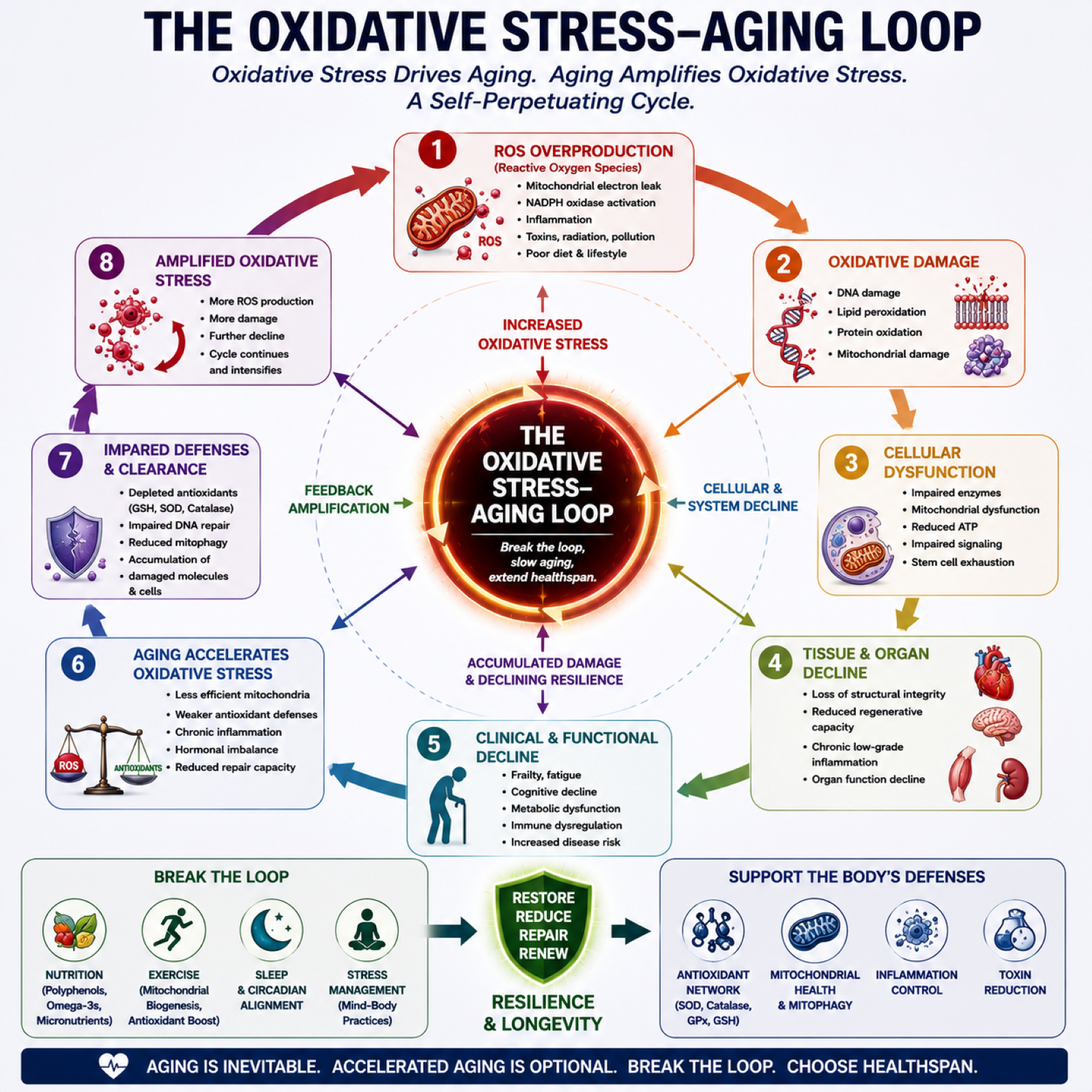
Figure 1. The Evolutionary Mismatch
For most of human history, our ancestors lived in close alignment with the natural world. Sunrise initiated activity, daylight encouraged movement and social interaction, and darkness signaled a time for rest and recovery. These predictable environmental cues shaped the development of our circadian rhythms, metabolic pathways, stress responses, and sleep architecture over thousands of generations.
Modern life, however, presents an environment that human biology was never designed to navigate. Artificial lighting extends the day far beyond sunset. Screens emit blue light that suppresses melatonin production. Around-the-clock work schedules disrupt internal clocks, while constant notifications and chronic psychological stress keep the nervous system in a state of heightened alertness. Sedentary lifestyles, processed foods, and reduced exposure to natural environments further widen the gap between our evolutionary design and daily reality.
This mismatch does not mean our biology is broken. Rather, it suggests that restoring natural rhythms through intentional lifestyle choices may help reestablish the conditions needed for deeper sleep, better resilience, and healthier aging.
• Artificial lighting until midnight
• Screens emitting blue light
• Around-the-clock work schedules
• Constant stress and notifications
• Sedentary lifestyles
• Processed food consumption
• Reduced outdoor exposure
The result is circadian confusion.
Sleep Is an Active Biological Process
Many people view sleep as simply “turning off.”
In reality, sleep is one of the most metabolically active periods of the day.
During sleep, the body:
• Consolidates memories
• Repairs tissues
• Regulates hormones
• Removes brain waste products
• Strengthens immunity
• Restores energy metabolism
Sleep deprivation disrupts these essential functions.
The Cost of Poor Sleep
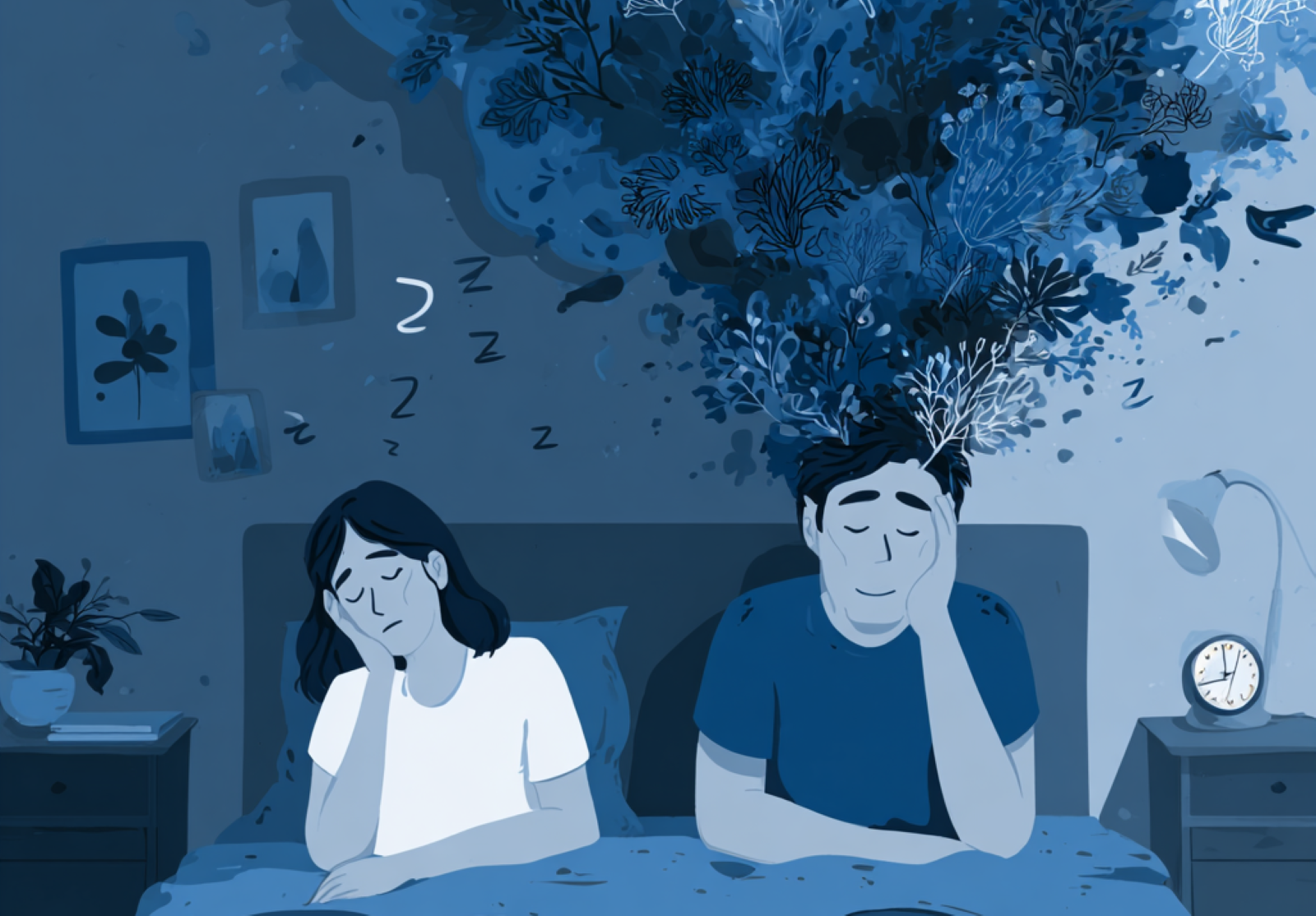
Figure 2. The Cost of Poor Sleep
Insufficient sleep affects far more than how tired we feel the next day. Sleep is a biological necessity that supports the coordination of nearly every system in the human body. When restorative sleep becomes chronically inadequate, the consequences can extend into cognition, metabolism, immunity, and cardiovascular health.
Poor sleep has been associated with reduced concentration and impaired decision-making, making it more difficult to learn, solve problems, and maintain productivity. Emotional regulation may also suffer, contributing to irritability, anxiety, and mood instability. At the metabolic level, sleep deprivation can disrupt hunger hormones, increase appetite, and reduce insulin sensitivity, promoting blood sugar imbalance and weight gain.
Research also suggests that insufficient sleep is linked to elevated inflammatory activity, weakened immune resilience, and a greater risk of cardiovascular disease over time. These effects accumulate gradually, often unnoticed until health begins to decline.
Sleep is not a luxury reserved for moments of convenience. It is foundational infrastructure for health—a nightly investment in recovery, resilience, and long-term well-being. Protecting sleep means protecting the brain, the body, and the future quality of our lives.
Insufficient sleep has been associated with:
• Reduced concentration
• Emotional instability
• Increased appetite
• Insulin resistance
• Elevated inflammation
• Reduced immune resilience
• Greater cardiovascular risk
Sleep is not a luxury.
It is foundational infrastructure for health.
Figure 3. Sleep is not a luxury. It is foundational infrastructure for health.
In a culture that celebrates productivity and constant availability, sleep is often treated as optional—something to sacrifice in pursuit of work, entertainment, or endless obligations. Yet biology tells a different story. Sleep is the period during which the body repairs tissues, consolidates memories, regulates hormones, strengthens immune defenses, restores metabolic balance, and clears waste products from the brain. Without sufficient restorative sleep, nearly every system begins to operate under strain.
The first step toward recovery is recognizing that poor sleep is not a personal failure or a lack of discipline. More often, it is the predictable consequence of living in environments that conflict with our evolutionary design. Artificial light, digital stimulation, chronic stress, irregular schedules, sedentary routines, and constant notifications disrupt the rhythms that once synchronized human physiology with the natural world.
Improving sleep is therefore not about perfection. It is about rebuilding the conditions that allow the body to do what it was designed to do: rest, repair, adapt, and renew. By protecting sleep, we strengthen the biological foundation upon which energy, resilience, cognition, and healthy aging depend.
The first step toward recovery is understanding that poor sleep is not a personal failure. It is often the predictable consequence of living in a world that constantly works against our biological design.
Fortunately, biology remembers.
With the right strategies, natural sleep can often be restored.
The Sleep Reset Blueprint
Why Modern Humans Can’t Sleep — and How to Restore Natural Deep Sleep Naturally.
Sleep is one of the most underestimated pillars of preventive longevity.
Modern neuroscience now shows that high-quality sleep directly supports:
👉 Learn more: