
Why Chronic Stress Makes Fat Loss So Difficult
Many people blame themselves for struggling with weight loss.
But modern metabolism is heavily influenced by chronic stress.
The body does not separate emotional stress from physical survival threats. Financial pressure, poor sleep, work overload, social isolation, and constant digital stimulation can all activate biological stress responses.
When stress becomes chronic, metabolism often changes in ways that promote fat storage rather than fat burning.
Cortisol: The Stress Hormone
Cortisol is essential for survival.
It helps regulate:
- energy availability
- blood sugar
- inflammation
- alertness
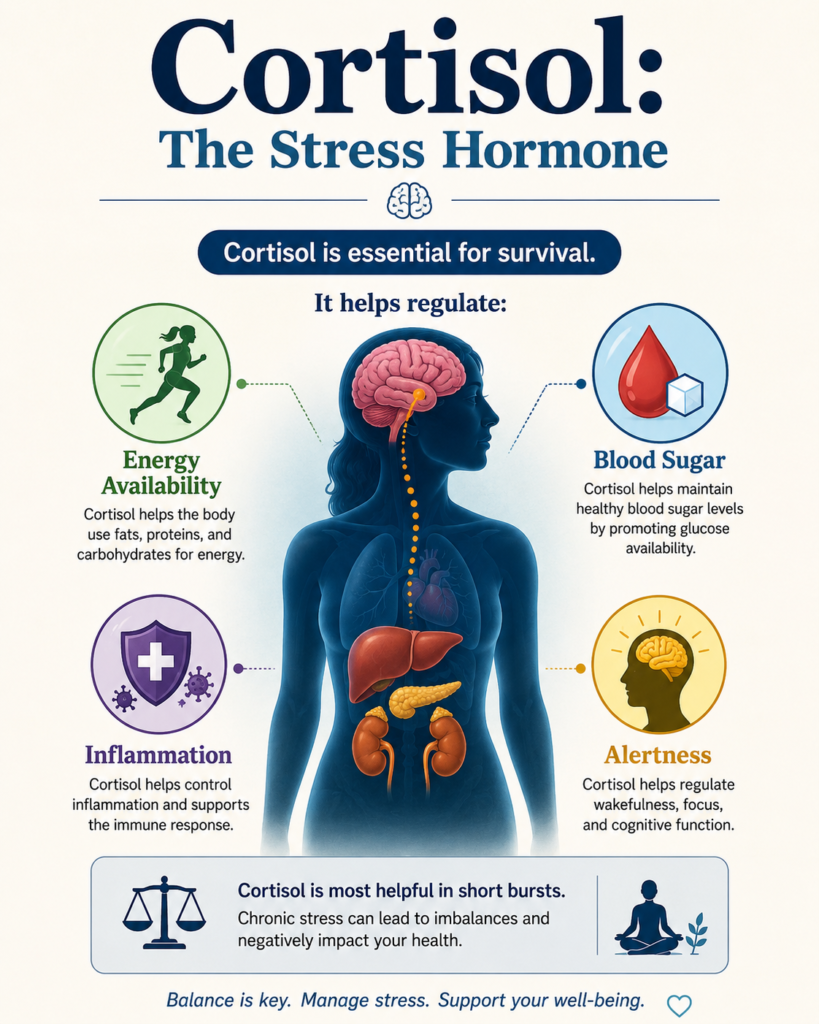
Figure 1. Cortisol: The Stress Hormone
Cortisol is often misunderstood as a harmful hormone, yet it is essential for human survival. Produced by the adrenal glands, cortisol helps the body adapt to changing demands and maintain internal balance.
It plays a vital role in regulating energy availability by mobilizing stored fats, proteins, and carbohydrates to meet the body’s immediate needs.
Cortisol also supports healthy blood sugar control by ensuring a steady supply of glucose during periods of fasting or stress.
In addition, cortisol helps coordinate inflammatory responses and immune activity, preventing excessive inflammation while allowing the body to respond appropriately to challenges. Within the brain, it contributes to alertness, focus, and the ability to react quickly to environmental threats.
Problems typically arise not from cortisol itself, but from chronic, persistent stress that keeps cortisol elevated for prolonged periods.
Maintaining healthy sleep patterns, regular physical activity, stress-management practices, and social connection can help support balanced cortisol rhythms and promote long-term health and resilience.
But chronic elevation of cortisol may contribute to:
- increased appetite
- abdominal fat storage
- insulin resistance
- poor sleep
- muscle breakdown
The body shifts into survival mode.
Stress Changes Appetite
Many people crave highly processed foods during stressful periods.
Stress can increase desire for:
- sugar
- refined carbohydrates
- comfort foods
- high-calorie snacks
These foods temporarily activate reward pathways in the brain, creating short-term emotional relief.
But repeated stress eating may worsen metabolic dysfunction over time.
Emotional Eating Is Often Biological
Emotional eating is not simply weakness.
Stress affects:
- dopamine signaling
- appetite hormones
- nervous system regulation
- decision-making pathways
When people are exhausted, overwhelmed, or sleep-deprived, the brain naturally seeks quick energy and reward.
Understanding this biology helps reduce shame and encourages more sustainable solutions.
Stress and Belly Fat
Chronically elevated cortisol is strongly associated with abdominal fat accumulation.
Visceral fat itself can increase inflammation and worsen metabolic health.
This creates a feedback loop where stress worsens metabolism and metabolic dysfunction increases stress further.
The Nervous System and Recovery
The human body needs periods of recovery.
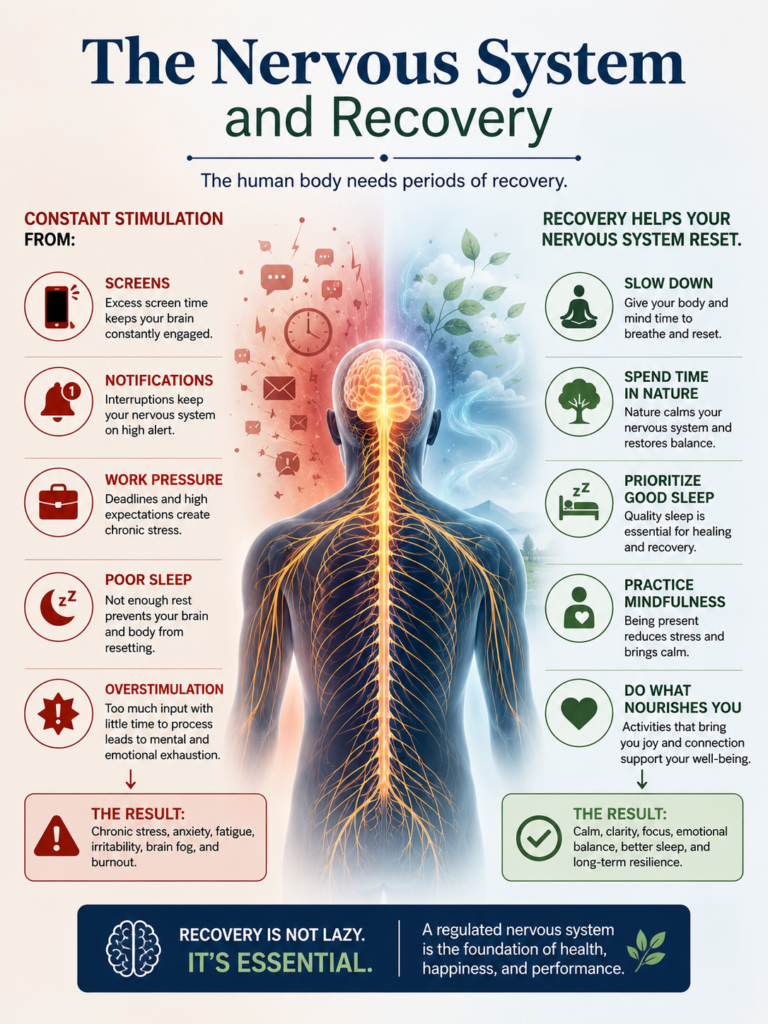
Figure 2. Cortisol: The Stress Hormone
Cortisol is often misunderstood as a harmful hormone, yet it is essential for human survival. Produced by the adrenal glands, cortisol helps the body adapt to changing demands and maintain internal balance.
It plays a vital role in regulating energy availability by mobilizing stored fats, proteins, and carbohydrates to meet the body’s immediate needs. Cortisol also supports healthy blood sugar control by ensuring a steady supply of glucose during periods of fasting or stress.
In addition, cortisol helps coordinate inflammatory responses and immune activity, preventing excessive inflammation while allowing the body to respond appropriately to challenges. Within the brain, it contributes to alertness, focus, and the ability to react quickly to environmental threats.
Problems typically arise not from cortisol itself, but from chronic, persistent stress that keeps cortisol elevated for prolonged periods.
Maintaining healthy sleep patterns, regular physical activity, stress-management practices, and social connection can help support balanced cortisol rhythms and promote long-term health and resilience.
Modern life often rewards constant productivity, yet human biology depends on cycles of effort and restoration. Taking time to recover is not a sign of weakness or laziness—it is an investment in resilience.
Small daily practices, such as mindful breathing, quiet reflection, reducing digital exposure, and creating moments of stillness, can help the nervous system regain balance and improve overall well-being, supporting healthier aging and a more sustainable quality of life.
Constant stimulation from:
- screens
- notifications
- work pressure
- poor sleep
- overstimulation
keeps the nervous system activated.
Recovery practices help restore balance.
Movement Reduces Stress Physiology
Walking, stretching, and moderate exercise help regulate stress hormones.
Physical activity also improves:
- mood
- sleep
- glucose control
- emotional resilience
The goal is not punishing workouts.
The goal is nervous system support.
Sleep and Stress Are Deeply Connected
Stress disrupts sleep, and poor sleep worsens stress sensitivity.
This cycle may increase:
- cravings
- fatigue
- emotional eating
- inflammation
Improving recovery often improves metabolism.
Stress Management Is Metabolic Medicine
Simple stress-reduction practices may improve metabolic health:
- walking outdoors
- mindfulness
- breathing exercises
- sunlight exposure
- social connection
- sleep consistency
- reduced screen overload
These strategies support biological resilience.
Sustainable Health Requires Nervous System Balance
Extreme dieting combined with excessive stress often backfires.
The body cannot thrive under constant survival signaling.
Long-term health requires balance between activity and recovery.
Final Thoughts
Chronic stress is one of the most underestimated causes of metabolic dysfunction.
The modern world constantly pushes the nervous system into overload.
Supporting metabolism means supporting the entire human system — including recovery, emotional health, and stress regulation.
Fat loss becomes far more sustainable when the body no longer feels trapped in survival mode.
Explore Science-Based Guides for Preventive metabolism Care and Healthy