
Castor Oil Packs and the Nervous System: Why Relaxation May Be the Real Benefit
Modern humans are exhausted.
Not just physically — neurologically.
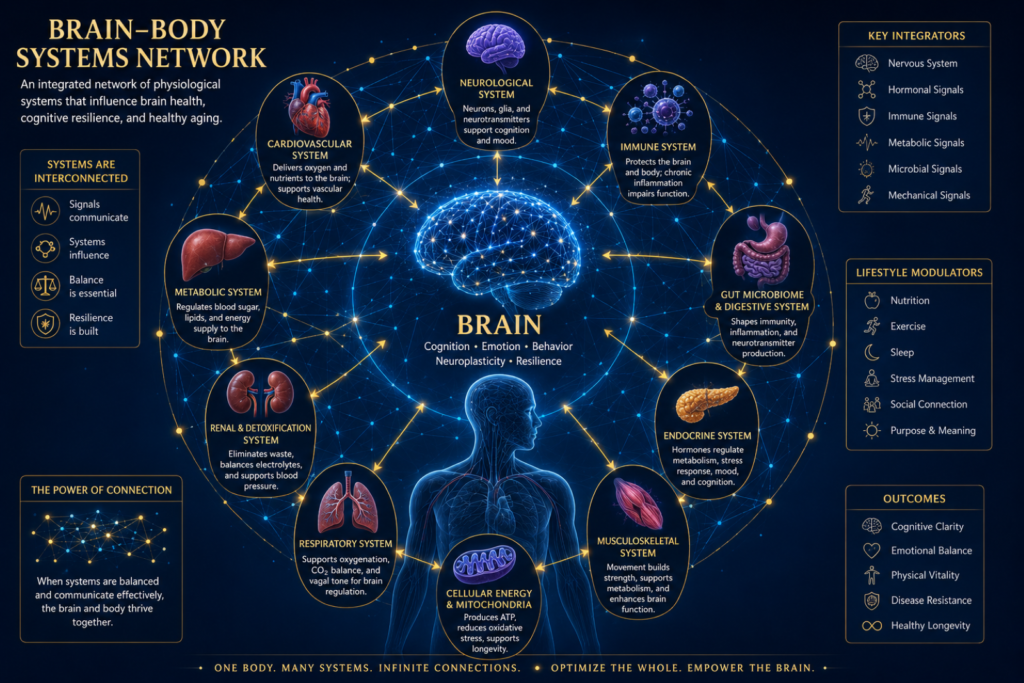
Figure 1. Modern humans are exhausted. Not just physically—but neurologically. Beneath the surface of daily fatigue lies a complex disruption of the brain–body systems network that evolved to keep us resilient and adaptable. The brain does not function in isolation. It depends on constant communication with the cardiovascular, immune, metabolic, endocrine, digestive, respiratory, renal, and musculoskeletal systems. When chronic stress, poor sleep, sedentary lifestyles, processed diets, social disconnection, and environmental overload disturb these connections, the result is more than tiredness. Mental fog, emotional instability, reduced motivation, impaired focus, and declining resilience can emerge as signals of a system under strain.
This framework reminds us that cognitive well-being is a whole-body phenomenon. Healthy aging requires restoring communication across biological networks rather than treating symptoms in isolation. By supporting sleep, movement, nutrition, stress regulation, and social connection, we strengthen the integrative pathways that nourish the brain. Recovery is not simply about having more energy—it is about rebuilding neurological resilience so the brain and body can thrive together.
People live in a constant state of:
- overstimulation
- information overload
- chronic stress
- poor sleep
- sympathetic nervous system activation
The body was never designed to remain in permanent “fight or flight” mode.
Yet millions of people now experience exactly that state every day.
This may help explain why simple wellness rituals — including castor oil packs — continue gaining popularity despite limited scientific evidence for dramatic detoxification claims.
The real story may not be about toxins at all.
It may be about:
nervous system regulation
The Modern Stress Physiology Crisis
The autonomic nervous system has two major branches:
Sympathetic Nervous System
“Fight or flight”
Parasympathetic Nervous System
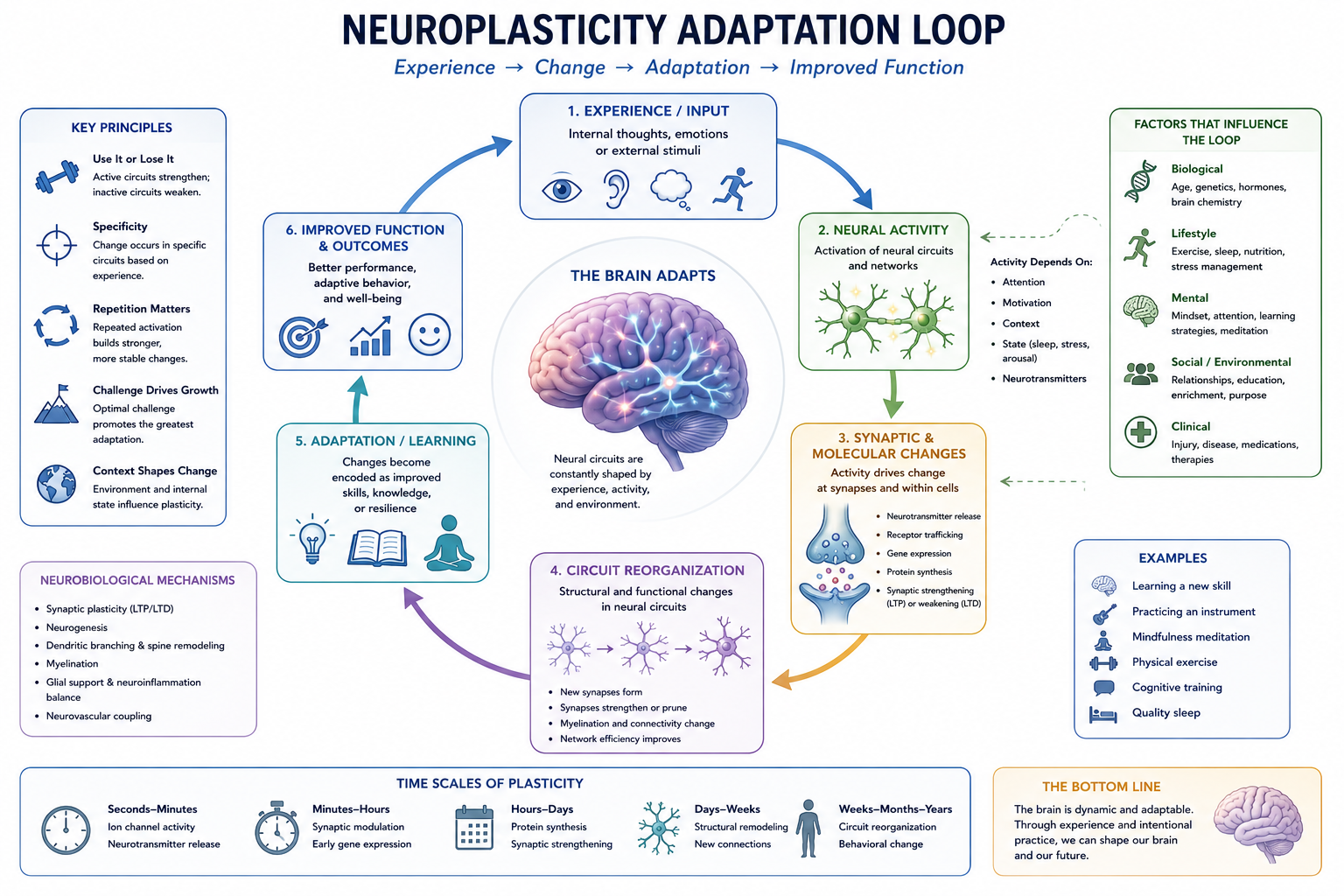
Figure 2. The Modern Stress Physiology Crisis
The autonomic nervous system regulates many of the body’s automatic functions and consists of two major branches: the Sympathetic Nervous System (SNS) and the Parasympathetic Nervous System (PNS). The sympathetic system prepares the body for action through the classic “fight or flight” response, increasing heart rate, blood pressure, alertness, and energy availability during perceived threats. In contrast, the parasympathetic system promotes “rest and digest” activities, supporting relaxation, digestion, recovery, immune function, and tissue repair.
In the modern world, however, many people experience chronic activation of the sympathetic system. Constant notifications, work pressures, financial concerns, poor sleep, sedentary lifestyles, and information overload create a state of persistent physiological vigilance. Unlike our ancestors, whose stress responses were brief and adaptive, today’s stressors are often continuous and psychological. Over time, this imbalance may contribute to fatigue, anxiety, sleep disturbances, inflammation, metabolic dysfunction, and reduced resilience. Restoring autonomic balance through sleep, exercise, mindfulness, social connection, and intentional recovery has become essential for long-term health and well-being.
“Rest and digest”
Modern lifestyles push many individuals toward chronic sympathetic dominance.
This can contribute to:
- digestive discomfort
- muscle tension
- elevated cortisol
- poor sleep
- fatigue
- anxiety physiology
- inflammation signaling
The nervous system affects nearly every biological system in the body.
That means recovery practices matter more than many people realize.
Why Rest Rituals Matter
A typical castor oil pack session often includes:
- lying still
- warmth
- reduced stimulation
- quiet time
- deep breathing
- intentional rest
In other words, the session itself may create a temporary recovery environment.
This matters because recovery is now biologically rare.
Many people never fully enter parasympathetic states during the day.
Even at night, screens, stress, and hypervigilance continue driving nervous system activation.
The Gut–Brain Axis Connection
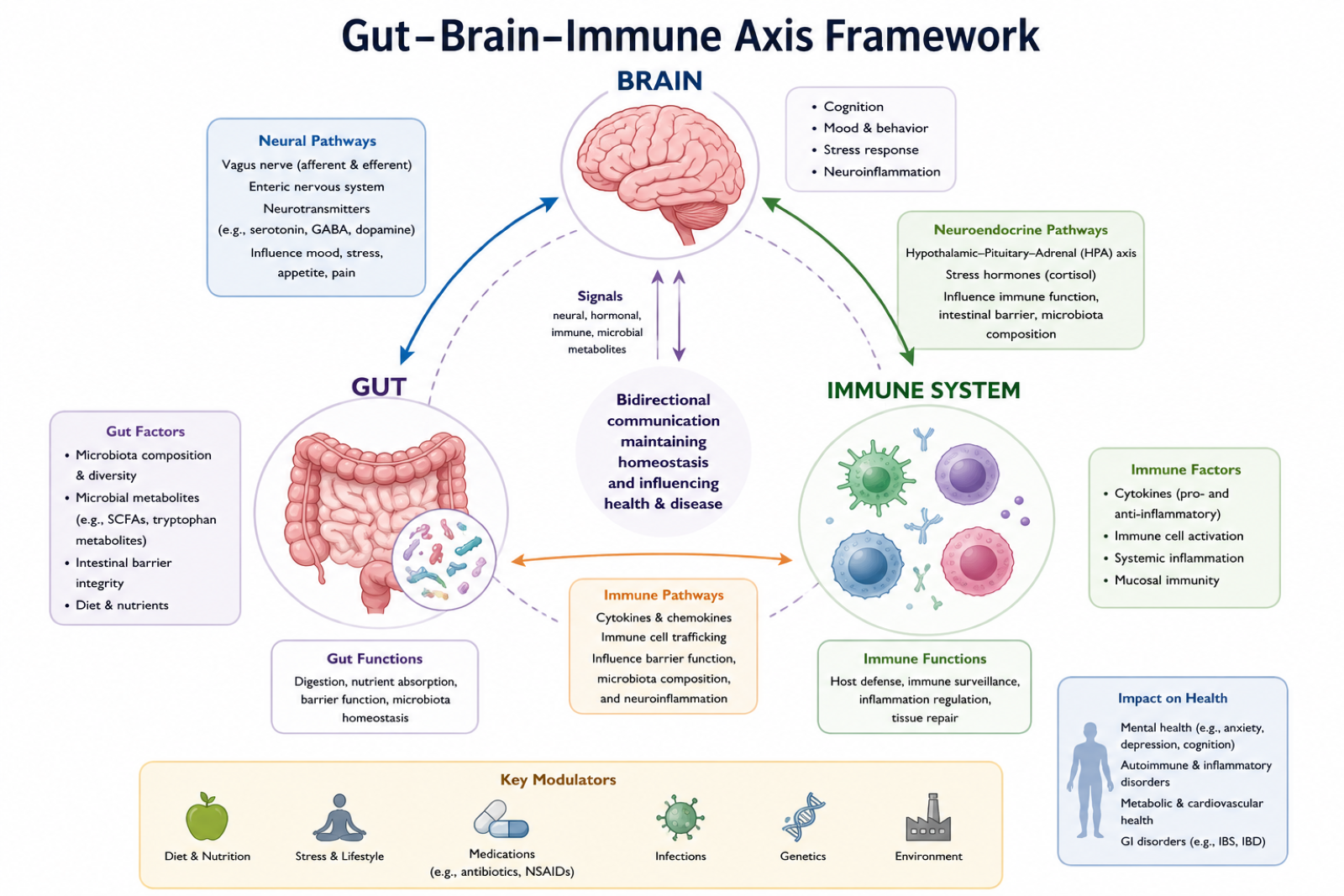
Figure 3. The Gut–Brain Axis Connection
The gut and brain are engaged in a continuous, two-way conversation that influences both physical and mental health. This complex communication network, often called the gut–brain axis, operates through several interconnected pathways. The vagus nerve serves as a major neural highway, transmitting signals between the digestive tract and the central nervous system. Immune signaling molecules, including cytokines, allow the immune system to relay information about inflammation and microbial activity to the brain. Neurotransmitters produced in the gut, such as serotonin, GABA, and dopamine, can influence mood, stress responses, and behavior. In addition, hormones help coordinate appetite, metabolism, and the body’s response to stress. Finally, microbial metabolites, including short-chain fatty acids and tryptophan-derived compounds, act as biochemical messengers that shape brain function, immune balance, and intestinal integrity. Together, these pathways demonstrate that digestive health extends far beyond the gut, playing an essential role in cognition, emotional resilience, and whole-body well-being.
The gut and brain communicate constantly through:
- the vagus nerve
- immune signaling
- neurotransmitters
- hormones
- microbial metabolites
Stress physiology directly affects digestion.
Chronic sympathetic activation may contribute to:
- bloating
- altered motility
- abdominal tension
- stress eating
- digestive discomfort
When people report digestive improvement after using castor oil packs, part of the explanation may involve:
nervous system calming
rather than literal detoxification.
Heat and the Human Body
Warmth itself changes physiology.
Heat exposure may help:
- relax muscles
- increase circulation
- reduce perceived pain
- calm sensory pathways
- reduce stress perception
Humans have used heat therapeutically for thousands of years:
- hot baths
- saunas
- steam therapy
- warm compresses
Castor oil packs combine heat with stillness and body awareness.
This combination may help explain why many users report subjective comfort.

Figure 4. Castor Oil Packs and the Experience of Comfort
Castor oil packs combine three powerful elements often associated with relaxation: gentle warmth, physical stillness, and mindful body awareness. During a typical session, individuals intentionally slow down, rest in a comfortable position, and direct attention toward sensations within the body. This ritual creates an environment that may support activation of the parasympathetic nervous system—the body’s “rest and restore” state.
The soothing warmth applied over the abdomen can promote a sense of ease and comfort, while the quiet pause from daily responsibilities encourages mental decompression. In addition, focused awareness of breathing and bodily sensations may help reduce perceived stress and enhance feelings of calm.
Although scientific evidence regarding specific physiological effects of castor oil packs remains limited, many users consistently describe subjective benefits such as relaxation, improved well-being, and a greater sense of connection with their bodies. The experience itself may represent a valuable form of intentional self-care, highlighting the importance of rest, presence, and recovery in modern life.
The Role of Ritual in Human Biology
Modern medicine often underestimates ritual.
But rituals influence physiology through:
- expectation
- emotional regulation
- behavioral conditioning
- nervous system responses
A repeated calming practice can become neurologically associated with safety and recovery.
This does not mean the effects are imaginary.
The brain constantly influences:
- hormones
- immune activity
- muscle tone
- inflammation signaling
- pain processing
The mind-body connection is not mystical.
It is biological.
The Cortisol Problem
Chronic stress elevates cortisol.
Persistently elevated cortisol may contribute to:
- sleep disruption
- abdominal fat accumulation
- blood sugar instability
- inflammation
- fatigue
- mood changes
Anything that reliably lowers stress perception may indirectly influence overall wellness.
Again, this does not make castor oil packs a cure.
But it does make relaxation biology relevant.
Why Modern Wellness Became Obsessed With “Detox”
Many people feel:
- inflamed
- exhausted
- overloaded
- metabolically unwell
The word “detox” became a simplified explanation for these feelings.
But in reality, the issue is often broader:
- poor sleep
- chronic stress
- sedentary behavior
- ultra-processed foods
- circadian disruption
- nervous system overload
The body may not need “detoxification” as much as it needs:
recovery
That distinction changes everything.
The Parasympathetic State and Healing
The parasympathetic nervous system supports:
- digestion
- tissue repair
- immune balance
- hormone regulation
- metabolic restoration
People rarely prioritize parasympathetic activation intentionally.
Yet many traditional wellness practices share common features:
- warmth
- stillness
- breathing
- touch
- sensory calming
Castor oil packs fit into this broader category.
Could Placebo Effects Still Matter?
Absolutely.
Placebo responses are real biological phenomena involving:
- dopamine
- endorphins
- expectation pathways
- stress reduction
- nervous system signaling
A practice does not need mystical toxin removal to create meaningful subjective improvements.
This is where many wellness debates become confused.
Critics say:
“It’s just placebo.”
Supporters say:
“It’s proof the detox works.”
Reality may be more sophisticated.
What Science Still Does Not Know
There are still major gaps in research regarding castor oil packs.
We lack large high-quality trials examining:
- inflammation markers
- autonomic nervous system effects
- cortisol changes
- sleep outcomes
- pain biomarkers
More research is needed.
But absence of strong evidence is not the same as evidence of zero effect.
Building Smarter Wellness Thinking
The healthiest wellness mindset avoids extremes.
Avoid:
- miracle claims
- detox myths
- pseudoscience
But also avoid:
- dismissing every low-risk supportive ritual
- reducing humans to laboratory numbers alone
Human health involves:
- biology
- psychology
- environment
- behavior
- nervous system function
Recovery practices matter.
Final Thoughts
Castor oil packs may not work because they “clean toxins from the liver.”
But they may still help some people through:
- warmth
- relaxation
- parasympathetic activation
- stress reduction
- behavioral recovery rituals
In a society driven by chronic nervous system overload, simple restorative practices may hold more value than many realize.
The future of preventive wellness should focus less on miracle detox narratives and more on helping humans rebuild recovery biology.
Explore practical ways people use castor oil packs as part of their relaxation, self-care, and wellness routines — from warmth therapy to nighttime comfort support.