
The Muscle–Metabolism Connection
Muscle is far more than a cosmetic tissue.
It is one of the body’s most important metabolic organs.
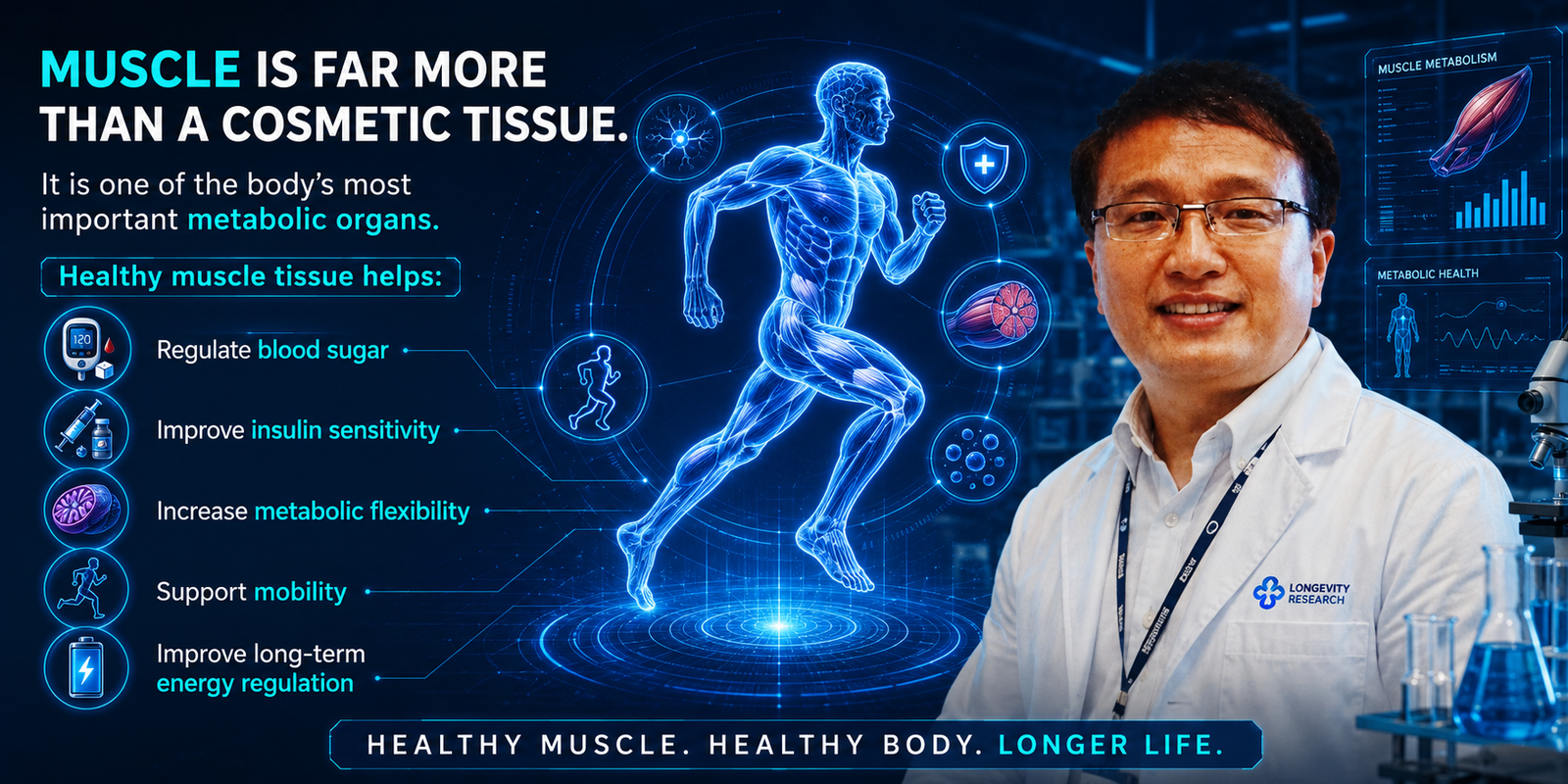
Figure 1. Muscle is often associated with strength, appearance, and athletic performance, but its biological role extends far beyond aesthetics. Modern research recognizes skeletal muscle as one of the body’s most important metabolic organs, playing a central role in energy balance, glucose regulation, and long-term health.
Healthy muscle tissue acts as a major reservoir for glucose uptake, helping regulate blood sugar levels and support insulin sensitivity. This function becomes increasingly important with age, as declines in muscle mass may contribute to metabolic dysfunction and reduced physical resilience.
Muscle also enhances metabolic flexibility—the body’s ability to efficiently switch between carbohydrates and fats as fuel sources. In addition, strong muscles support balance, mobility, posture, and overall functional independence.
Regular physical activity, resistance training, adequate protein intake, quality sleep, and recovery all contribute to maintaining healthy muscle tissue throughout life. Rather than serving only cosmetic purposes, muscle functions as a powerful biological system that supports metabolism, movement, and healthy aging.
Healthy Muscle. Healthy Body. Longer Life.
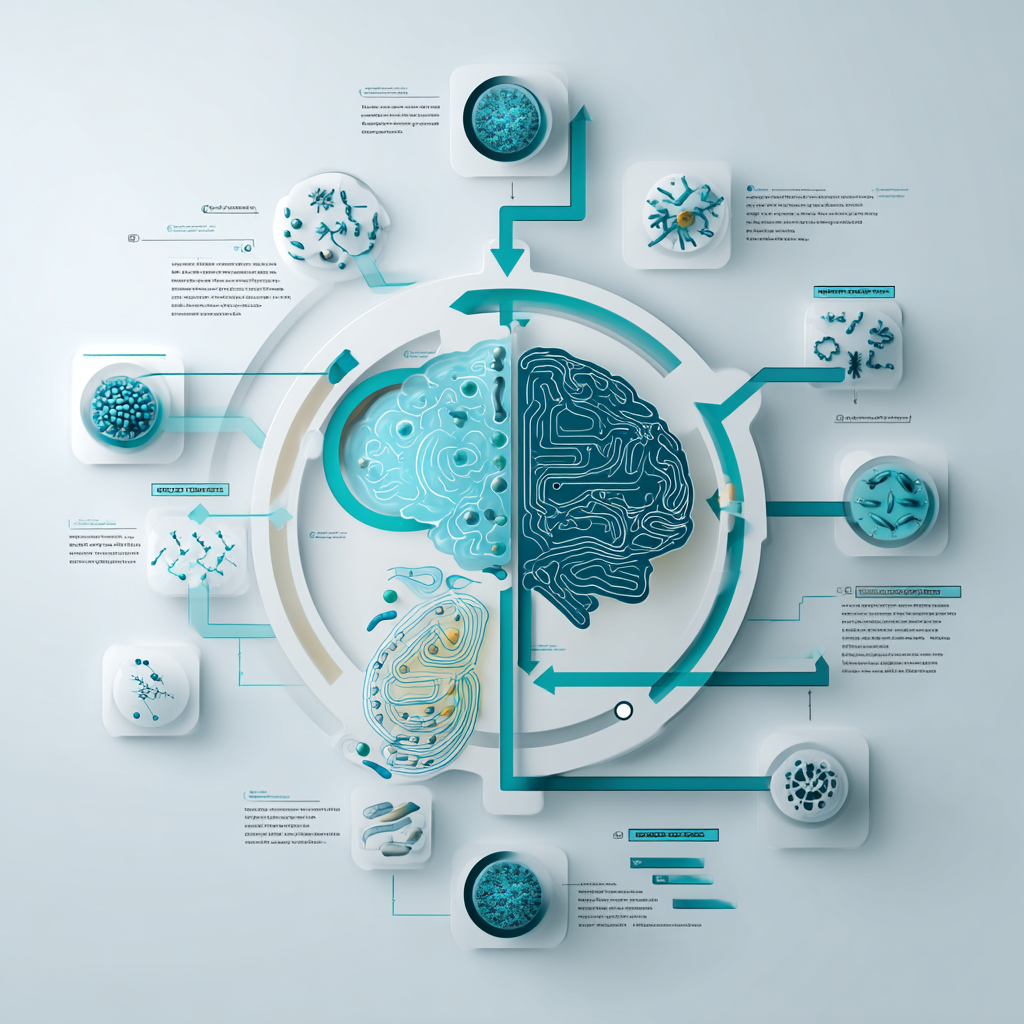
Figure 2. Healthy Muscle. Healthy Body. Longer Life.
Muscle is far more than a tissue that supports strength and appearance. It is one of the body’s most important metabolic organs, influencing how energy is produced, stored, and utilized throughout life.
Healthy muscle tissue plays a central role in regulating blood sugar by helping absorb glucose from the bloodstream and improving insulin sensitivity. Strong muscles also contribute to greater metabolic flexibility, allowing the body to efficiently switch between carbohydrates and fats as energy sources. Beyond metabolism, muscle supports balance, mobility, posture, and physical independence.
Maintaining muscle mass becomes increasingly important with age, as natural muscle loss can affect movement, energy levels, and overall health. Regular resistance training, adequate protein intake, quality sleep, and recovery all help preserve muscle function.
Researchers increasingly recognize that muscle health is closely connected to longevity, cardiovascular wellness, and healthy aging.
Building and maintaining muscle is not simply about fitness—it is an investment in long-term metabolic resilience, functional capacity, and overall quality of life. Strong muscles help support a stronger future.
Healthy muscle tissue helps:
- regulate blood sugar,
- improve insulin sensitivity,
- increase metabolic flexibility,
- support mobility,
- and improve long-term energy regulation.
When muscle mass declines, metabolism often slows alongside it.
Unfortunately, many rapid weight-loss programs cause muscle loss in addition to fat loss — especially when protein intake is low and resistance training is absent.
This can reduce resting metabolic rate and make long-term weight maintenance more difficult.
Strength training changes the equation.
Building and preserving muscle may help the body:
- use glucose more efficiently,
- burn more energy over time,
- improve metabolic resilience,
- and age more healthfully.
This becomes increasingly important after age 30–40, when muscle decline naturally accelerates.
Metabolic health is not just about becoming lighter.
It is about becoming metabolically stronger.
Even modest resistance training can provide benefits:
- bodyweight exercises,
- walking hills,
- resistance bands,
- weight training,
- or functional movement.
The goal is consistency, not perfection.
Long-term metabolic health depends heavily on preserving the body’s engine — skeletal muscle.
👉 The Metabolism Reset Blueprint explains how muscle, insulin sensitivity, inflammation, and lifestyle patterns interact in modern metabolic health.