
The Stress–Weight Gain Cycle
Stress affects metabolism far more than most people realize.
When the brain perceives chronic stress, the body activates survival pathways designed for short-term protection.
But modern stress is rarely short term.

figure 1. Stress affects metabolism far more than most people realize. While many people associate metabolism only with calories, weight, or exercise, the body’s metabolic system is deeply connected to the brain and nervous system. When the brain perceives ongoing stress, it activates survival pathways that were originally designed to help humans respond to short-term threats. In modern life, however, stress often becomes chronic rather than temporary.
Financial concerns, poor sleep, digital overload, work demands, social pressures, and highly stimulating environments can keep the stress response activated for extended periods. This may lead to prolonged elevations in cortisol and other stress-related hormones. Over time, researchers have observed associations between chronic stress and increased food cravings, emotional eating patterns, fatigue, reduced insulin sensitivity, and greater accumulation of abdominal fat. The illustration highlights how stress signals travel through interconnected biological systems, influencing brain function, hormonal balance, energy regulation, and metabolic health. Rather than functioning independently, these systems operate as a coordinated network that constantly adapts to environmental demands.
Understanding the relationship between stress and metabolism is an important step toward building healthier habits. Prioritizing sleep, stress management, physical activity, balanced nutrition, and recovery practices may help support metabolic resilience and overall well-being in an increasingly demanding modern world.
Modern health researchers increasingly recognize that metabolic health cannot be separated from nervous system health. The body continuously interprets signals from the environment and adjusts hormone production, appetite regulation, energy expenditure, and fat storage accordingly. When stress becomes chronic, these adaptive mechanisms may begin to work against long-term health goals. Supporting resilience through restorative sleep, mindfulness practices, regular movement, social connection, and balanced nutrition may help promote healthier stress responses and more stable metabolic function. Sustainable health is not simply about willpower—it is about creating biological conditions that allow the body to function as intended.
Financial pressure, sleep deprivation, digital overload, processed food environments, and constant stimulation may keep the nervous system activated for months or years.
Over time, chronic stress may contribute to:
- elevated cortisol,
- stronger cravings,
- emotional eating,
- insulin resistance,
- fatigue,
- and increased abdominal fat storage.
The body often prioritizes survival over fat burning.
This is why highly stressed individuals may struggle to lose weight even while dieting aggressively.
Metabolic health depends heavily on nervous system balance.
The body generally burns energy more efficiently when it feels safe, recovered, and biologically stable.
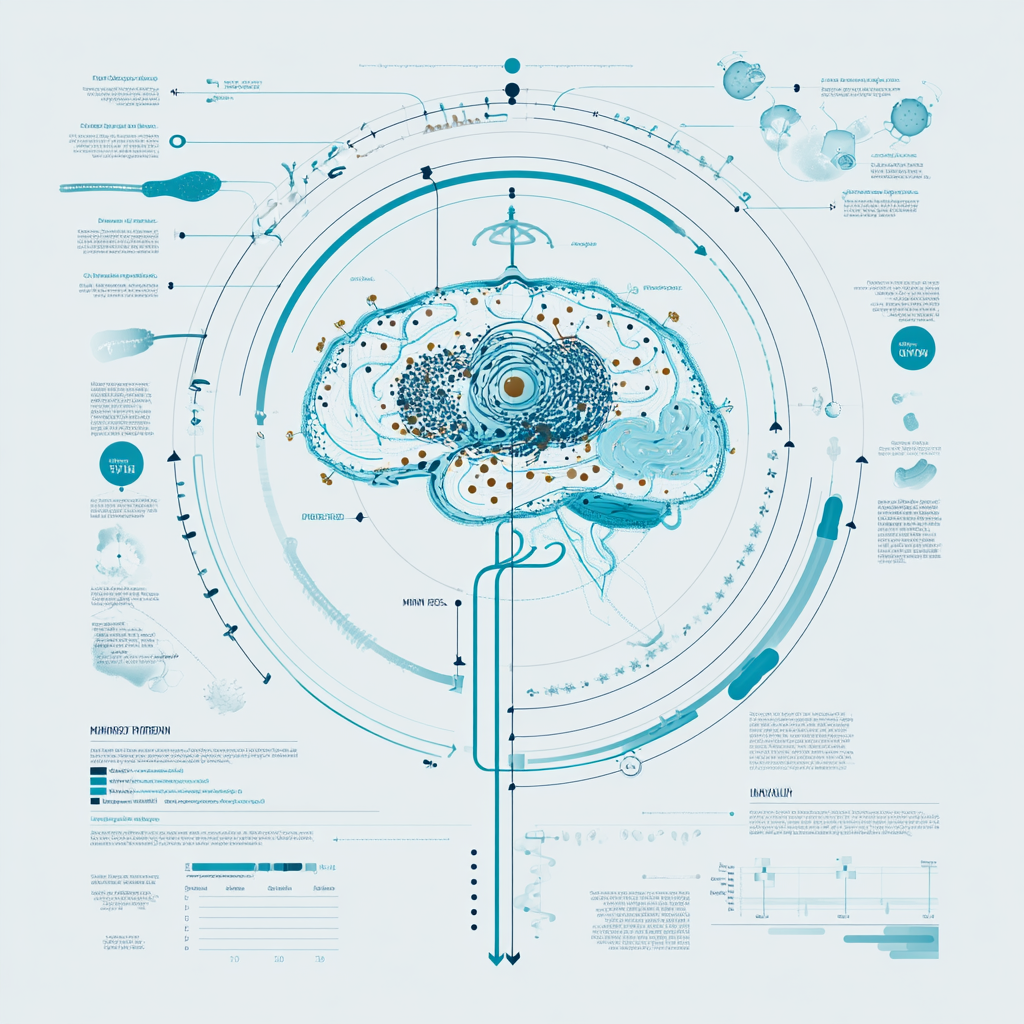
Figure 2. Metabolism: The Foundation of Human Energy and Health
Metabolism is the complex network of biological processes that allows the body to convert nutrients into usable energy. Every cell relies on metabolic pathways to support growth, repair, communication, and survival. Far beyond calorie burning, metabolism regulates blood sugar balance, hormone signaling, mitochondrial energy production, immune activity, brain function, and cellular maintenance.
The human body operates as an interconnected metabolic system. The brain, liver, muscles, digestive tract, endocrine glands, and immune system continuously exchange information to maintain internal balance. When this coordination functions efficiently, energy production remains stable and physiological systems perform optimally.
However, modern challenges such as poor nutrition, chronic stress, physical inactivity, sleep disruption, inflammation, and aging may interfere with metabolic efficiency. Over time, these factors can contribute to fatigue, insulin resistance, weight gain, impaired recovery, and reduced cellular resilience.
The illustration highlights metabolism as a dynamic systems network rather than a single pathway. Understanding these biological connections helps explain why long-term health depends on supporting the entire metabolic ecosystem. Healthy lifestyle habits, restorative sleep, regular movement, stress management, and balanced nutrition may all contribute to stronger metabolic function and improved overall well-being.
Helpful stress-support strategies may include:
- walking,
- sleep improvement,
- breathwork,
- resistance training,
- reducing ultra-processed foods,
- mindfulness practices,
- sunlight exposure,
- and improving recovery rhythms.
The solution is not eliminating all stress.
The solution is improving resilience.
A healthier nervous system often supports a healthier metabolism.
👉 The Metabolism Reset Blueprint explores the relationship between stress biology, hormones, inflammation, and modern weight gain patterns.