
Why Blood Sugar and Metabolism May Affect Hearing
Hearing health and metabolic health may be more connected than most people realize.
Research suggests that insulin resistance, poor circulation, chronic inflammation, and blood vessel dysfunction may influence auditory function over time.
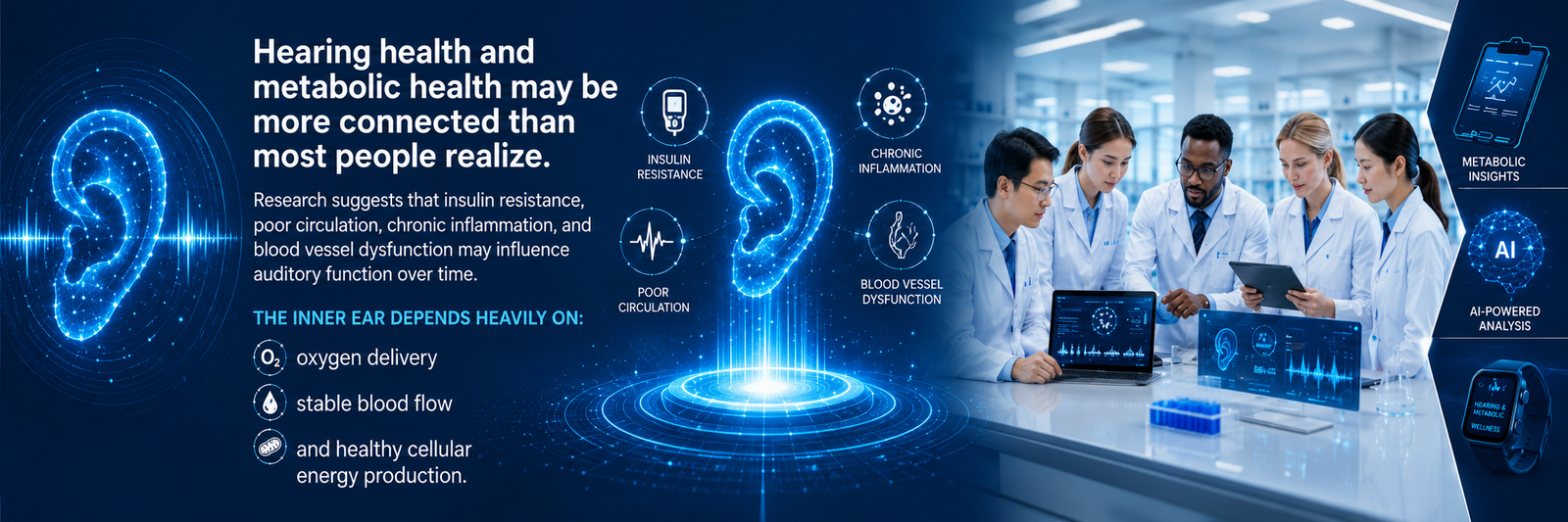
Figure 1. Hearing health and metabolic health may be more connected than most people realize. Hearing Health and Metabolic Health
Hearing health is often viewed as an isolated sensory issue, but growing research suggests it may be closely connected to overall metabolic function. The inner ear is one of the most energy-demanding structures in the human body, relying on a constant supply of oxygen, nutrients, and cellular energy to process sound accurately.
Factors such as insulin resistance, impaired circulation, chronic inflammation, and blood vessel dysfunction may gradually affect the delicate structures responsible for hearing. Reduced blood flow can limit oxygen delivery to auditory tissues, while metabolic stress may contribute to cellular damage over time.
Researchers are increasingly exploring how systemic health influences auditory performance throughout the lifespan. Conditions that affect cardiovascular and metabolic health may also influence hearing resilience and long-term sensory function.
This systems-based perspective highlights the importance of supporting whole-body health. Healthy nutrition, regular physical activity, metabolic balance, and inflammation management may all play important roles in maintaining both hearing function and overall well-being as people age.
Research suggests that insulin resistance, poor circulation, chronic inflammation, and blood vessel dysfunction may influence auditory function over time.
The inner ear depends heavily on:
- oxygen delivery,
- stable blood flow,
- and healthy cellular energy production.
The inner ear depends heavily on:
- oxygen delivery,
- stable blood flow,
- and healthy cellular energy production.
When metabolic systems become dysregulated, sensitive auditory structures may become more vulnerable to stress and damage.
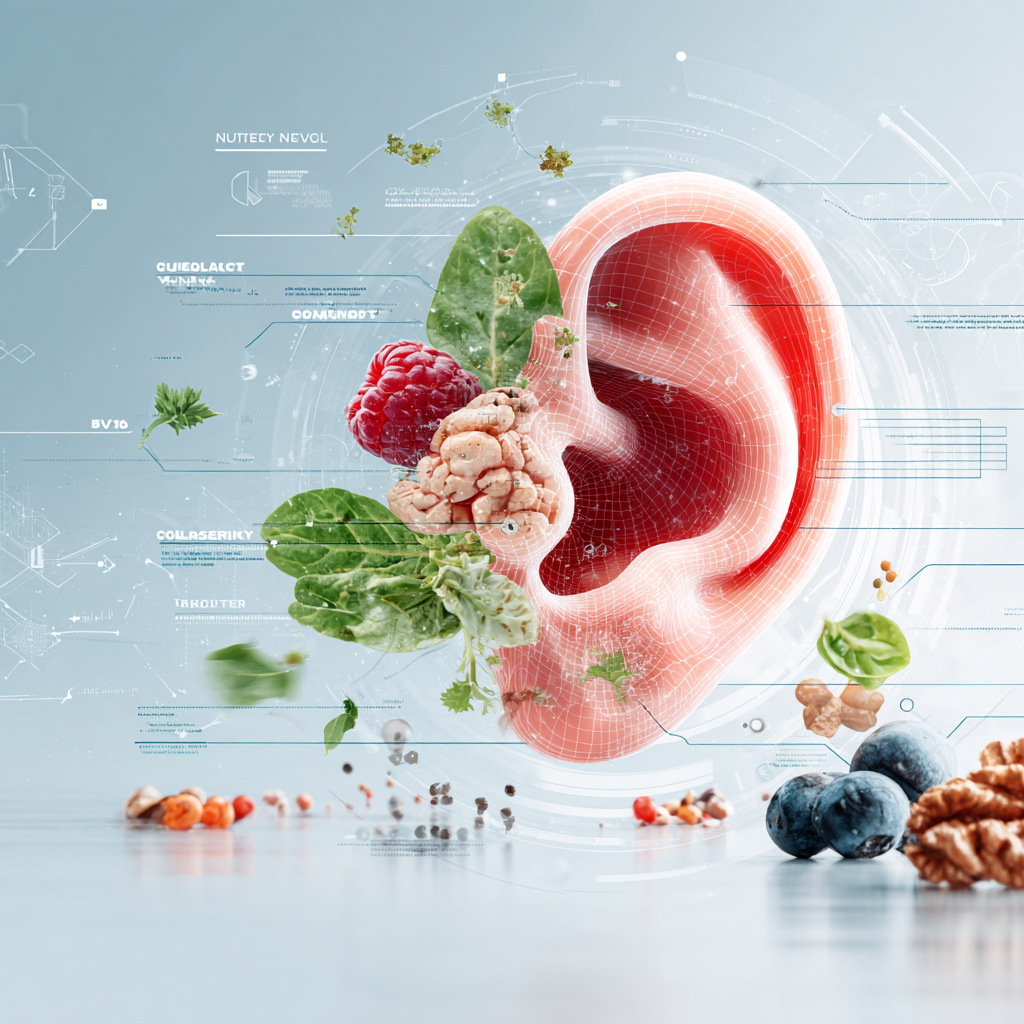
Figure 2. Metabolic Health and Auditory Resilience
The inner ear is one of the most metabolically active structures in the human body. Every moment of the day, specialized sensory cells convert sound waves into electrical signals that the brain can interpret. This highly sophisticated process depends on efficient circulation, oxygen delivery, nutrient availability, and healthy cellular energy production.
When metabolic systems become dysregulated, these delicate auditory structures may become increasingly vulnerable to stress and damage. Insulin resistance, chronic inflammation, impaired blood flow, oxidative stress, and vascular dysfunction may all influence the environment in which hearing cells function. Because the inner ear contains tiny blood vessels and energy-demanding cells, even subtle disruptions in metabolic health may affect long-term auditory resilience.
Researchers increasingly view hearing through a systems-biology lens rather than as an isolated sensory process. This perspective helps explain why discussions surrounding hearing support often overlap with cardiovascular health, inflammation management, metabolic wellness, and healthy aging strategies.
Maintaining metabolic balance through nutritious eating patterns, regular physical activity, adequate sleep, stress management, and cardiovascular support may contribute to overall auditory health. As science continues to evolve, hearing wellness is increasingly being recognized as part of a broader picture of lifelong systemic health and resilience.
This systems-based perspective helps explain why hearing-support discussions increasingly overlap with:
- cardiovascular health,
- inflammation management,
- and healthy aging strategies.
Protecting Hearing May Involve Improving the Health of the Entire Biological Network
For many years, hearing loss was viewed primarily as an issue confined to the ears. Traditional approaches often focused on the auditory system itself—examining sound exposure, age-related changes, infections, or structural damage within the ear. While these factors remain important, modern research increasingly suggests that hearing health may be influenced by a much larger network of biological systems operating throughout the body.
The inner ear is an extraordinarily complex and energy-demanding organ. Tiny sensory cells known as hair cells continuously convert sound vibrations into electrical signals that travel to the brain. This process requires a constant supply of oxygen, nutrients, and cellular energy. Unlike some tissues in the body, many auditory cells have limited regenerative capacity, making them particularly vulnerable to long-term stress and dysfunction.
Because of this dependence on metabolic support, researchers have begun exploring how whole-body health may influence auditory resilience over time. The emerging evidence points toward a systems-based perspective in which hearing is connected to circulation, metabolism, inflammation, mitochondrial function, and overall biological aging.
One important factor is cardiovascular health. The inner ear contains an intricate network of microscopic blood vessels responsible for delivering oxygen and nutrients to auditory tissues. When blood flow becomes compromised due to vascular dysfunction, hypertension, or age-related circulatory changes, these delicate structures may receive less support. Some studies have observed associations between cardiovascular risk factors and increased risk of hearing decline.
Metabolic health may also play a significant role. Conditions associated with insulin resistance and impaired glucose regulation can affect blood vessels, inflammatory pathways, and cellular energy production. Because auditory cells require large amounts of energy, disruptions in metabolic efficiency may increase vulnerability to stress and age-related degeneration.

Figure 3. The Future of Hearing Science and Neural Regeneration
Advances in neuroscience, bioengineering, and precision medicine are transforming how researchers understand hearing and sensory health. Rather than viewing hearing loss as an isolated condition, scientists increasingly investigate the complex biological networks connecting the inner ear, auditory nerves, brain pathways, circulation, metabolism, and cellular energy systems.
Emerging research focuses on how auditory signals are processed throughout the nervous system and how damaged sensory pathways might be protected, repaired, or adapted over time. Scientists are exploring areas such as neural plasticity, regenerative medicine, stem-cell technologies, gene regulation, and advanced biomarker discovery to better understand auditory resilience.
Artificial intelligence and computational biology are also accelerating progress. Large-scale data analysis may help identify early risk patterns long before noticeable symptoms appear. Future technologies could enable more personalized approaches to hearing preservation and sensory health monitoring.
The convergence of neuroscience, digital health, and systems biology represents a promising frontier. As research continues to evolve, the future of hearing science may increasingly emphasize prevention, early detection, neural protection, and long-term preservation of auditory function throughout healthy aging.
Inflammation represents another area of growing scientific interest. Acute inflammation is a normal and essential part of the body’s defense system. However, chronic low-grade inflammation may contribute to tissue stress throughout multiple organ systems. Researchers continue to investigate how inflammatory processes may influence auditory tissues and broader sensory function over the lifespan.
Mitochondria—the energy-producing structures found inside cells—have also become a major focus of hearing research. Auditory cells require substantial amounts of energy to process sound continuously. Age-related declines in mitochondrial efficiency may contribute to oxidative stress and reduced cellular resilience, potentially affecting hearing performance over time.
Importantly, hearing health does not exist in isolation from lifestyle factors. Regular physical activity, quality sleep, stress management, balanced nutrition, and healthy metabolic regulation may all contribute to maintaining the biological environment that supports auditory function. These habits influence circulation, inflammation, energy metabolism, and overall physiological resilience.
This broader perspective is changing how many researchers think about hearing wellness. Rather than focusing solely on the ear itself, attention is increasingly shifting toward the health of the entire biological network that supports auditory function. Protecting hearing may therefore involve supporting cardiovascular health, optimizing metabolic function, reducing chronic inflammation, preserving mitochondrial performance, and promoting healthy aging throughout the body.
In this systems-based model, hearing becomes more than a sensory issue—it becomes a reflection of overall biological health. As scientific understanding continues to evolve, the future of hearing wellness may increasingly emphasize prevention, resilience, and whole-body optimization as key strategies for maintaining auditory function across the lifespan.
Hearing health is not just about the ears—it is an important part of protecting brain function, communication, independence, and quality of life. Discover how preventive choices can support long-term sensory resilience.