
Joint Pain Is More Than a Cartilage Problem: A Systems Biology Perspective
Most people think joint pain begins and ends inside the joint itself.
When knees become stiff or shoulders ache, the immediate assumption is that cartilage has worn away and nothing can be done except tolerate the discomfort or eventually replace the joint.
Modern systems biology presents a much broader picture.
A joint is not an isolated mechanical hinge. It is part of an integrated biological network that depends on muscles, nerves, blood vessels, immune cells, hormones, connective tissue, mitochondria, and the brain.
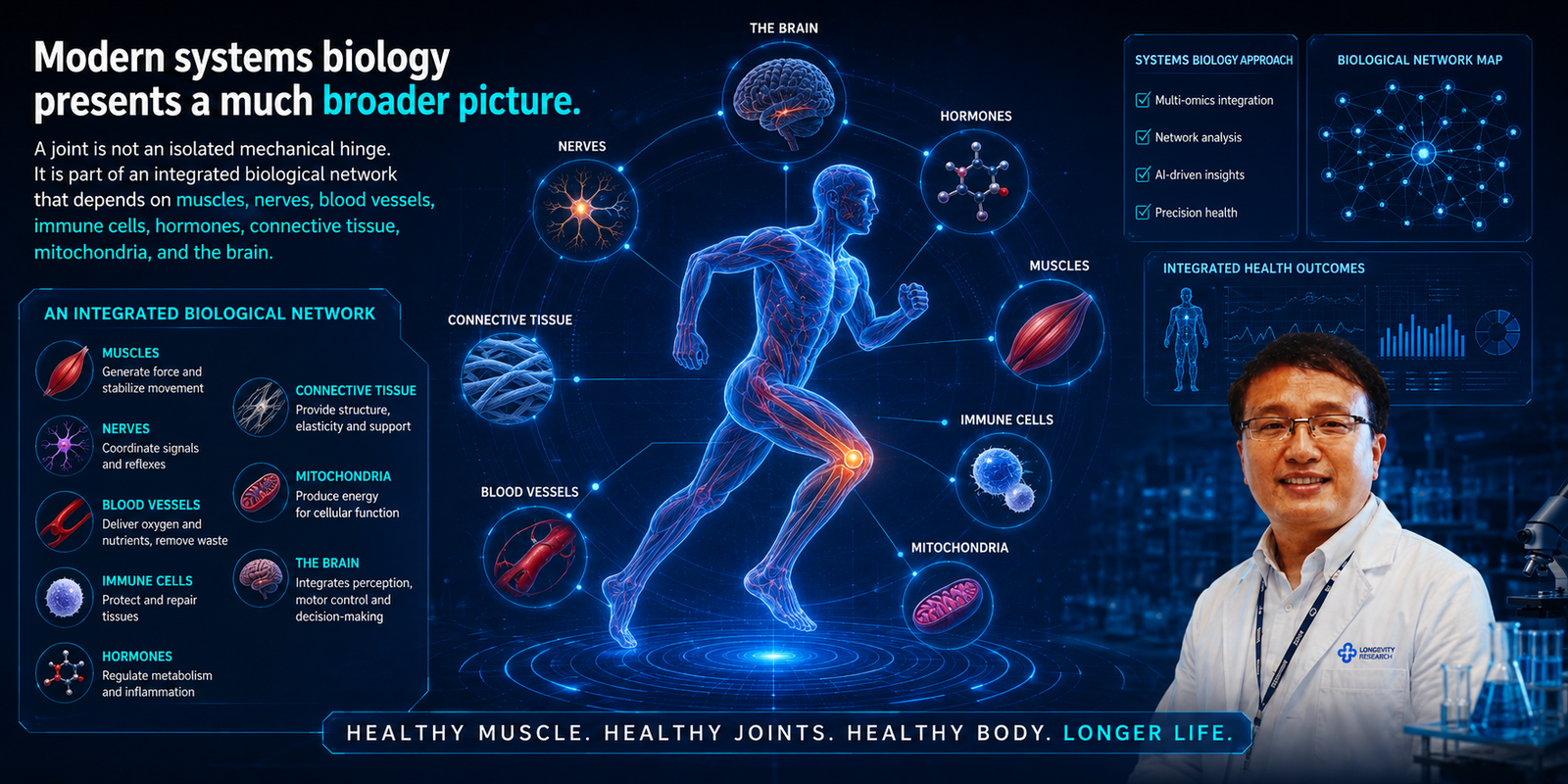
Figure 1. Modern systems biology offers a new way of understanding joint health. Rather than viewing a joint as a simple mechanical hinge, researchers now recognize it as part of a dynamic biological network that connects multiple systems throughout the body. Healthy movement depends on coordinated interactions among muscles, nerves, blood vessels, immune cells, hormones, connective tissue, mitochondria, and the brain. Muscles generate force and stabilize movement, while nerves coordinate precise motor control. Blood vessels deliver oxygen and nutrients, immune cells support tissue repair, and hormones regulate metabolism and recovery. Connective tissues provide structural integrity, and mitochondria supply the cellular energy required for every step. The brain continuously integrates sensory information to maintain balance, posture, and movement efficiency. When one component becomes impaired, the entire network may be affected. This systems-based perspective highlights why long-term joint resilience is supported not only by exercise, but also by healthy metabolism, adequate nutrition, restorative sleep, inflammation management, and overall lifestyle optimization.
When these systems work together, movement feels effortless.
When communication between these systems becomes disrupted, pain, stiffness, and reduced mobility may gradually appear.
The Joint as a Living System
Every healthy joint contains multiple interacting structures:
- Cartilage that reduces friction
- Synovial fluid that lubricates movement
- Ligaments providing stability
- Tendons connecting muscle to bone
- Muscles generating force
- Bone supporting load
- Nerves monitoring position and movement
- Blood vessels delivering nutrients
These structures continuously repair themselves.
Instead of being static, joints are constantly adapting to everyday activity.
Why Aging Changes Mobility
Aging affects nearly every component of joint biology.
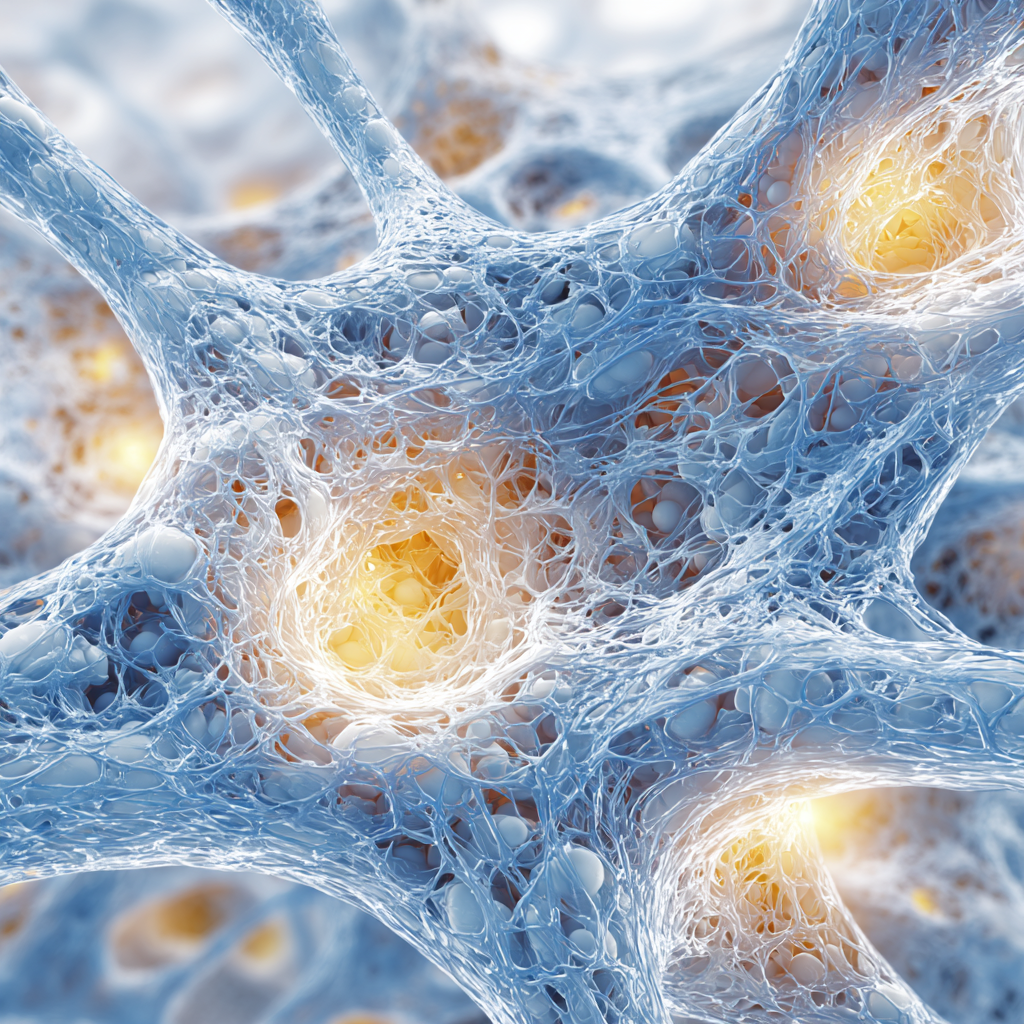
Figure 2. Why Aging Changes Mobility
Aging influences nearly every layer of the body’s movement system, gradually altering the biological processes that keep joints flexible and resilient.
One of the earliest changes is a decline in collagen production, reducing the strength and elasticity of connective tissues such as tendons, ligaments, and cartilage. Cartilage also loses water content over time, making it less effective at cushioning impact and absorbing mechanical stress. At the same time, tissue repair slows as cellular regeneration becomes less efficient, allowing minor damage to accumulate.
Age-related muscle loss, known as sarcopenia, decreases strength and joint stability, increasing the effort required for everyday movement. Many older adults also experience mild chronic inflammation, which may contribute to stiffness and discomfort. In addition, reduced mitochondrial function limits the energy available for muscle contraction, tissue maintenance, and recovery.
Together, these interconnected changes explain why mobility often declines with age. However, regular physical activity, resistance training, balanced nutrition, quality sleep, and inflammation management can help preserve movement, support joint function, and promote healthy aging.
Natural changes may include:
- Reduced collagen production
- Lower water content in cartilage
- Slower tissue repair
- Decreased muscle mass
- Mild chronic inflammation
- Reduced mitochondrial energy production
These changes do not automatically guarantee disability.
Many adults remain highly active well into their seventies and eighties through consistent lifestyle habits.
The Hidden Role of Inflammation
Inflammation is an essential part of healing.
After injury or exercise, inflammatory signals help remove damaged tissue and initiate repair.
Problems arise when inflammation becomes persistent.
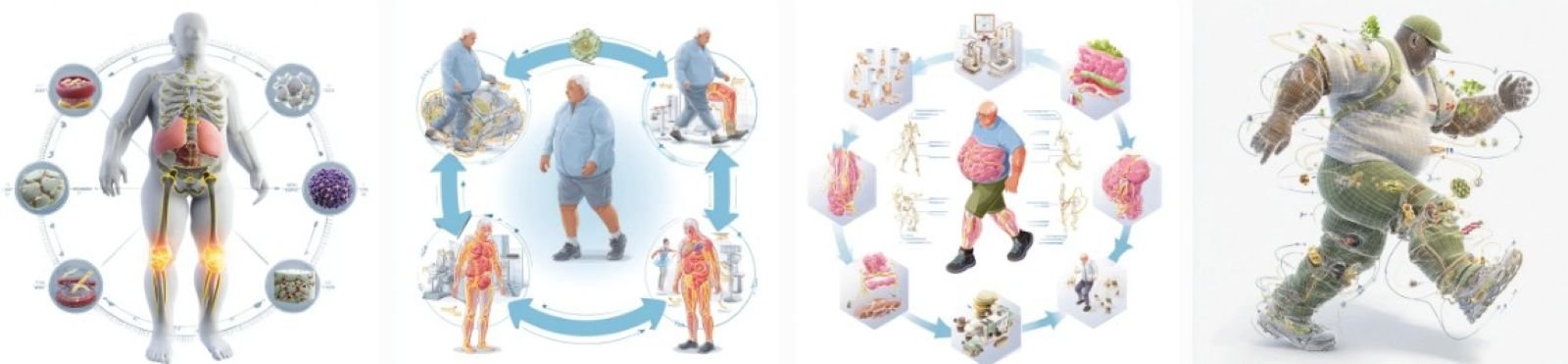
Figure 3. Problems arise when inflammation becomes persistent.
Inflammation is a natural biological defense designed to protect the body and promote healing after injury or infection. However, when low-grade inflammation becomes chronic, it may gradually disrupt the interconnected systems that regulate metabolism, movement, and overall health. Excess body fat, particularly around the abdomen, can release inflammatory signaling molecules that keep the immune system continuously activated. Highly processed diets rich in refined sugars and unhealthy fats may further amplify these responses, while sleep deprivation reduces the body’s ability to repair and restore balance. Psychological stress elevates stress hormones that can influence immune function, and physical inactivity removes the anti-inflammatory benefits of regular muscle contraction. Smoking exposes tissues to oxidative stress and vascular damage, further fueling inflammation. Metabolic dysfunction, including insulin resistance, also creates conditions that promote persistent immune activation. Together, these factors form a self-reinforcing cycle that may contribute to joint discomfort, reduced mobility, cardiovascular disease, and accelerated biological aging. Breaking this cycle through healthy lifestyle habits can support long-term resilience and improve whole-body function.
Contributors may include:
- Excess body fat
- Highly processed diets
- Sleep deprivation
- Psychological stress
- Physical inactivity
- Smoking
- Metabolic dysfunction
This low-grade inflammation may gradually influence joint comfort and mobility throughout the body.
Movement Nourishes Joints
Unlike many tissues, cartilage receives very little direct blood supply.
Instead, movement helps circulate nutrients through the joint.
Walking, cycling, swimming, stretching, and resistance training all promote healthy joint mechanics.
Motion is often part of the maintenance system.
Appropriate movement frequently supports long-term mobility better than prolonged inactivity.
Nutrition Supports Connective Tissue
Joint tissues require adequate nutrition for ongoing maintenance.
Important dietary components include:
- Protein
- Vitamin C
- Omega-3 fatty acids
- Minerals
- Polyphenol-rich fruits and vegetables
- Adequate hydration
No single food rebuilds cartilage overnight, but consistent nutrition supports the body’s normal repair processes.
The Systems-Based View
Joint health depends on the interaction of multiple biological networks rather than a single structure.
Supporting mobility therefore often includes:
- Regular movement
- Strength training
- Healthy body weight
- Stress management
- Sleep optimization
- Anti-inflammatory eating patterns
- Appropriate medical evaluation when symptoms worsen
Healthy joints are the product of healthy systems.
Small improvements repeated consistently may produce meaningful benefits over time.
Start protecting your mobility today — one small step can support stronger joints, better movement, and healthier aging.