
Brain Fog Is Becoming a Modern Epidemic
More people today report feeling mentally “foggy” even when they are relatively young.

Figure 1. Brain Fog: When the Mind Feels Clouded
More people today report feeling mentally “foggy” even when they are relatively young. Many describe the sensation as if their thoughts are moving through clouds rather than flowing clearly. While brain fog is not a formal medical diagnosis, it is a common experience that can significantly affect daily life and productivity.
Brain fog may involve:
- difficulty concentrating,
- reduced mental clarity,
- forgetfulness,
- slower information processing,
- and persistent mental fatigue.
Rather than representing a single disease, brain fog is often viewed as a systems biology phenomenon.
Multiple interconnected factors may contribute, including inadequate sleep, chronic psychological stress, blood sugar fluctuations, poor nutrition, dehydration, physical inactivity, hormonal changes, inflammation, certain medications, or recovery from illness.
The brain is one of the body’s most energy-demanding organs, consuming approximately 20% of total energy despite accounting for only a small fraction of body weight. When cellular energy production, circulation, or neural communication become less efficient, cognitive performance may temporarily decline, creating the subjective feeling of mental cloudiness.
For many individuals, supportive lifestyle habits can improve mental clarity over time. Consistent sleep, regular physical activity, balanced nutrition, stress management, hydration, and meaningful social engagement all contribute to healthy brain function. Rather than seeking a single quick fix, modern neuroscience increasingly emphasizes caring for the entire biological network that supports cognition, resilience, and lifelong brain health.
Brain fog is not a formal medical diagnosis, but it may involve:
- difficulty concentrating,
- reduced mental clarity,
- forgetfulness,
- and mental fatigue.
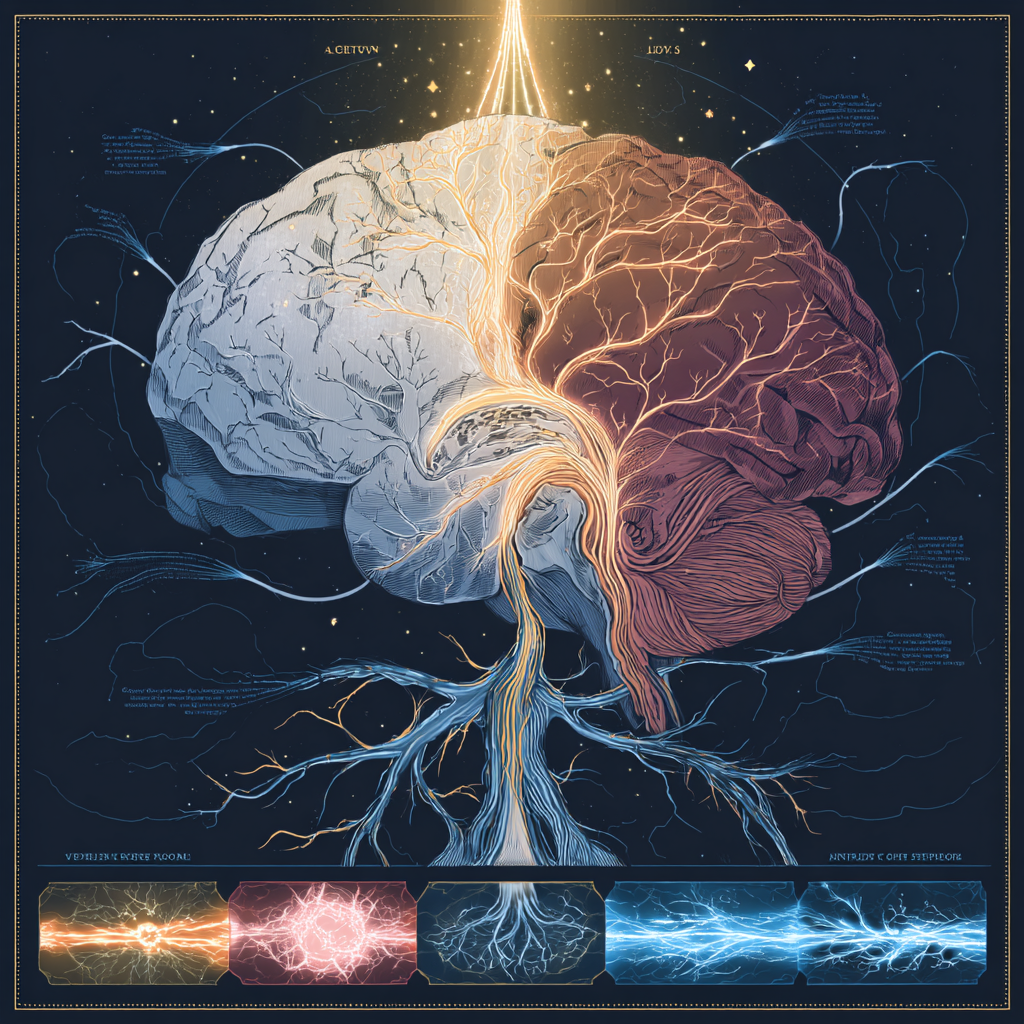
Figure 2. Understanding Brain Fog: A Systems Biology Perspective
Brain fog is not a formal medical diagnosis, but it is a widely recognized experience characterized by difficulty concentrating, reduced mental clarity, forgetfulness, and persistent mental fatigue. Many people describe feeling as though their thoughts are slower, less organized, or temporarily “clouded,” making everyday tasks more challenging.
Rather than resulting from a single cause, brain fog often reflects the interaction of multiple biological systems. Common contributing factors include sleep deprivation, which limits the brain’s ability to restore energy and consolidate memory; chronic stress, which elevates cortisol and disrupts attention networks; and low-grade inflammation, which may interfere with normal neural communication.
Nutrition also plays an important role. Diets high in ultra-processed foods and rapid blood sugar fluctuations can produce cycles of energy spikes and crashes, reducing cognitive performance throughout the day.
At the same time, information overload—constant notifications, multitasking, and prolonged screen exposure—places continuous demands on attention, leaving the brain with fewer opportunities for recovery.
The encouraging news is that brain fog is often reversible. Prioritizing quality sleep, maintaining stable blood sugar through balanced meals, engaging in regular physical activity, managing stress, staying hydrated, and scheduling periods of digital rest may all support clearer thinking. Modern neuroscience increasingly views mental clarity as the product of a well-balanced biological network rather than the function of any single brain region or nutrient.
Potential contributing factors include:
- sleep deprivation,
- chronic stress,
- inflammation,
- poor diet,
- blood sugar instability,
- and information overload.
This growing problem has fueled interest in wellness tools that support mental relaxation and cognitive recovery.
Memory Wave is marketed toward individuals looking for non-invasive approaches to support focus and mental clarity through audio-guided experiences.

Figure 3. A Systems Approach to Cognitive Wellness
While individual results vary, many people are exploring broader lifestyle strategies that support long-term cognitive health rather than searching for a single solution. Modern neuroscience increasingly recognizes that mental clarity emerges from the interaction of multiple biological systems—including the brain, nervous system, metabolism, immune function, and sleep-wake cycle.
A comprehensive wellness approach may combine stress reduction, nervous system support, improved sleep, and cognitive wellness practices. Techniques such as mindfulness, deep breathing, meditation, and spending time in nature may help shift the body toward a more restorative parasympathetic state, reducing the effects of chronic stress on attention and memory.
Quality sleep is equally essential. During sleep, the brain consolidates memories, restores energy, and clears metabolic waste products that accumulate throughout the day. Consistent sleep routines and healthy circadian habits may therefore contribute to sharper thinking and improved resilience.
Regular physical activity, balanced nutrition, adequate hydration, and meaningful social engagement also play important roles in supporting cognitive function. Challenging the brain through reading, learning new skills, music, or problem-solving may encourage lifelong neuroplasticity and mental adaptability.
Rather than focusing on quick fixes, a systems-based perspective emphasizes daily habits that work together over time. Small, consistent improvements across multiple areas of health may collectively promote clearer thinking, emotional balance, and sustained cognitive performance throughout the lifespan.
While results vary, many users are exploring broader lifestyle approaches that combine:
- stress reduction,
- nervous system support,
- improved sleep,
- and cognitive wellness practices.
A systems-based approach to metabolic health, inflammation reduction, and long-term longevity.