
Understanding Insulin Resistance
The Silent Beginning of Metabolic Dysfunction
Insulin resistance is one of the most important yet least recognized drivers of chronic disease.

Figure 1. The Silent Beginning of Metabolic Dysfunction
Insulin resistance is one of the most important yet least recognized drivers of chronic disease. It often develops quietly over many years, long before blood sugar levels rise high enough to be diagnosed as diabetes. During this early stage, the body may still produce enough insulin to maintain normal glucose levels, masking the underlying problem.
Insulin functions as a biological key. After meals, it unlocks cells, allowing glucose to move from the bloodstream into muscles, the liver, and other tissues where it is converted into energy or stored for future use.
When cells gradually become less responsive to insulin, the pancreas compensates by producing larger amounts of the hormone. This state of chronically elevated insulin, known as hyperinsulinemia, may exist for years without obvious symptoms.
As metabolic dysfunction progresses, subtle warning signs may emerge, including increased hunger, afternoon energy crashes, brain fog, difficulty losing weight, abdominal fat accumulation, and elevated triglycerides.
Persistent insulin resistance is also associated with low-grade inflammation, oxidative stress, fatty liver disease, cardiovascular disease, and cognitive decline.
Rather than affecting a single organ, insulin resistance disrupts an interconnected biological network involving hormones, muscles, adipose tissue, the liver, mitochondria, and the brain. Recognizing these early metabolic changes provides an opportunity to improve nutrition, physical activity, sleep, and stress management before more serious chronic diseases develop, supporting healthier aging and long-term metabolic resilience.
Insulin functions as a key
After meals, it unlocks cells, allowing glucose to move from the bloodstream into tissues where it becomes usable energy.
When insulin sensitivity is healthy, only modest amounts of insulin are required.
When resistance develops, the locks become harder to open.
The pancreas compensates by producing more insulin.
For years, blood sugar may remain “normal” because insulin works overtime.
Unfortunately, elevated insulin carries consequences.

Figured 2. How Chronically High Insulin Reshapes the Body
Insulin is an essential hormone that helps regulate blood sugar and energy metabolism. However, when insulin levels remain chronically elevated—often as a result of frequent overeating, excess refined carbohydrates, physical inactivity, poor sleep, and chronic stress—the hormone begins to drive widespread metabolic changes throughout the body.
Persistent high insulin promotes increased fat storage by encouraging excess glucose to be converted into triglycerides and stored in adipose tissue, particularly around the abdomen. At the same time, it reduces fat burning, making it more difficult for the body to access stored energy and contributing to weight gain despite dieting efforts.
Elevated insulin also influences the brain by amplifying hunger and food cravings, creating a cycle of overeating and continual insulin release. Beyond energy regulation, high insulin is associated with low-grade chronic inflammation, which can impair blood vessels, joints, and multiple organ systems.
Within the liver, excess insulin stimulates fat production, increasing the risk of fatty liver disease and metabolic dysfunction. Hormonal communication networks may also become disrupted, affecting cortisol, sex hormones, and appetite-regulating signals such as leptin and ghrelin.
Over time, these interconnected changes contribute to higher cardiovascular risk, including hypertension, abnormal cholesterol levels, arterial inflammation, and insulin resistance. Rather than a problem of blood sugar alone, chronically high insulin represents a systems biology imbalance that influences metabolism, hormonal health, inflammation, and long-term healthy aging.
Chronically high insulin promotes:
• Increased fat storage
• Reduced fat burning
• Greater hunger signals
• Rising inflammation
• Fatty liver accumulation
• Hormonal disruption
• Increased cardiovascular risk
Many individuals develop insulin resistance years before receiving a diagnosis of prediabetes.
Common contributors include:
Excess Refined Carbohydrates
Frequent exposure to highly processed foods creates repeated insulin surges.
Physical Inactivity
Muscles act as major glucose reservoirs. Sedentary lifestyles reduce glucose disposal capacity.
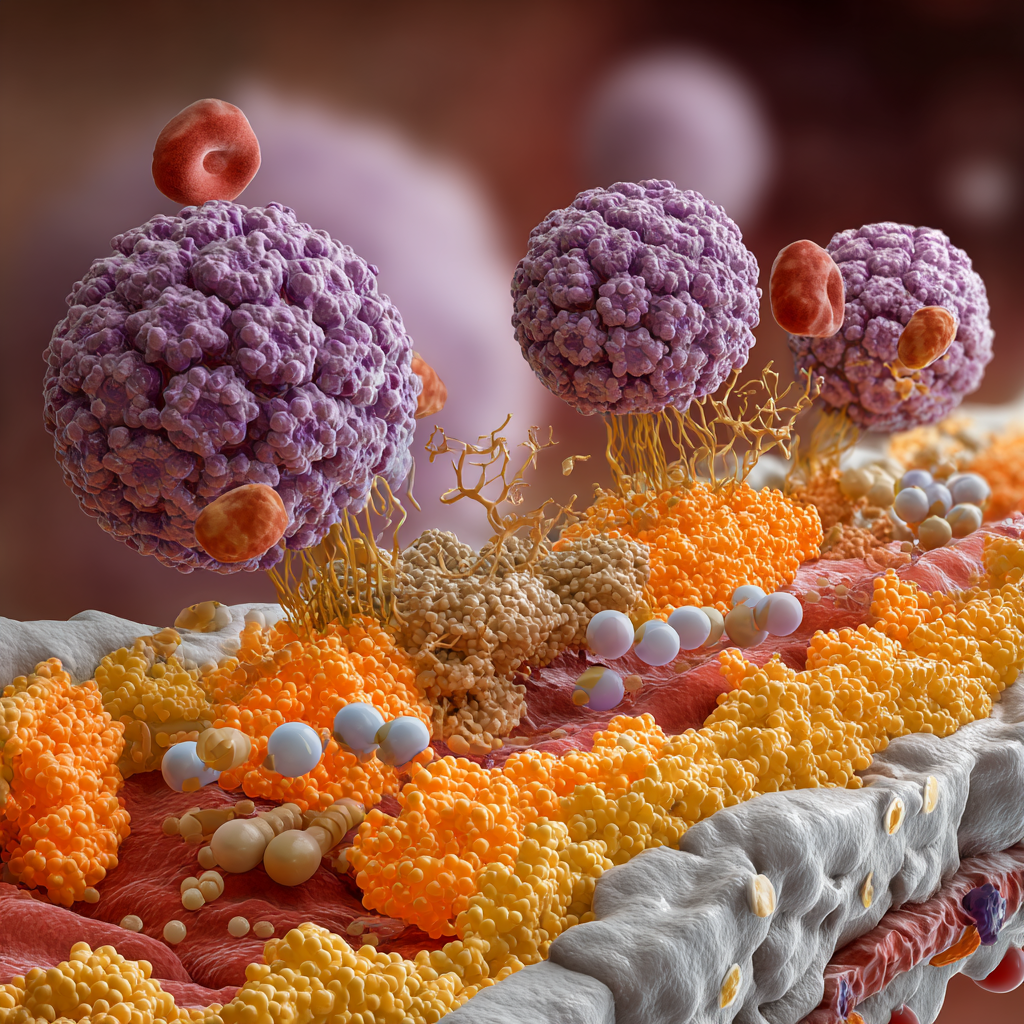
Figure 3. Physical Inactivity, Poor Sleep, Chronic Stress, and Visceral Fat
The Lifestyle Drivers of Metabolic Dysfunction
Modern metabolic health is shaped not only by what we eat but also by how we move, sleep, respond to stress, and store body fat. These interconnected lifestyle factors influence insulin sensitivity and long-term glucose regulation.
Physical Inactivity
Skeletal muscles are the body’s largest glucose-consuming tissues. During movement, muscles absorb glucose from the bloodstream and use it to produce energy. A sedentary lifestyle reduces this natural glucose disposal system, allowing blood sugar levels to remain elevated for longer periods. Over time, decreased muscle activity may contribute to insulin resistance, reduced metabolic flexibility, and gradual weight gain. Even simple activities such as walking, climbing stairs, or resistance exercise can improve glucose utilization.
Sleep is a critical metabolic regulator. Research suggests that even a few nights of insufficient sleep can reduce insulin sensitivity and impair the body’s ability to regulate blood sugar effectively. Poor sleep is also associated with increased hunger hormones, stronger cravings for calorie-dense foods, and lower daytime energy, creating a cycle that promotes overeating and inactivity.
Persistent psychological stress activates the hypothalamic-pituitary-adrenal (HPA) axis, increasing cortisol production. Elevated cortisol stimulates glucose release from the liver while influencing appetite and food preferences, often increasing cravings for highly processed foods. Chronic stress may therefore contribute to higher blood sugar levels, abdominal fat accumulation, and metabolic dysfunction.
Unlike fat stored beneath the skin, visceral fat surrounds internal organs and functions as an active endocrine tissue. It releases inflammatory molecules, alters hormone signaling, and promotes insulin resistance throughout the body. Excess visceral fat has been associated with an increased risk of type 2 diabetes, cardiovascular disease, fatty liver disease, and other chronic conditions.
Fortunately, these factors are highly modifiable. Regular physical activity, restorative sleep, effective stress management, and sustainable lifestyle habits work together to improve insulin sensitivity and support long-term metabolic health. Small, consistent changes practiced every day often produce greater benefits than extreme short-term interventions.
Poor Sleep
Even short-term sleep restriction decreases insulin sensitivity.
Chronic Stress
Elevated cortisol raises blood sugar and influences appetite regulation.
Visceral Fat
Abdominal fat releases inflammatory chemicals that worsen insulin resistance.
Aging
Although aging affects metabolism, lifestyle factors often amplify these changes.
The encouraging news is that insulin resistance can improve.
Research consistently demonstrates that lifestyle interventions may restore insulin sensitivity:
• Walking after meals
• Resistance training
• Prioritizing sleep
• Increasing dietary fiber
• Weight reduction when appropriate
• Managing stress effectively
• Reducing ultra-processed foods
Insulin resistance is not a personal failure.
It is often the predictable outcome of environments that encourage metabolic overload.
Recognizing its early signs allows individuals to intervene before serious complications emerge.
The goal is not perfection.
The goal is restoring responsiveness.
Because healthier insulin signaling supports healthier metabolism, healthier organs, and healthier aging.
Trusted Educational Resources for blood-sugar- Health Longevity and Mobility Support