
Brain Fog in Modern Life: A Systems-Based Approach to Mental Clarity
Brain fog is not a formal medical diagnosis.
Yet millions recognize the experience immediately.
“I can’t think clearly.”
“I lose my train of thought.”
“My brain feels tired.”

Figure 1. Brain Fog: When the Mind Feels Clouded
Brain fog is not a formal medical diagnosis, yet it is a familiar experience for millions of people. Many describe it as feeling mentally slow, struggling to concentrate, forgetting simple tasks, or losing their train of thought during everyday activities. While frustrating, brain fog is often a symptom rather than a disease itself.
Modern neuroscience suggests that mental clarity depends on the coordinated function of multiple biological systems. When one or more of these systems becomes disrupted, cognitive performance may temporarily decline.
Sleep and Recovery are among the most important factors. Poor sleep quality or insufficient rest can reduce attention, working memory, and information processing speed.
Stress and Mental Load also play a major role. Chronic psychological stress elevates stress hormones and increases mental fatigue, making it more difficult to focus and maintain clear thinking.
Gut Health and Inflammation may influence brain function through the gut-brain axis. Digestive imbalance and chronic low-grade inflammation have been associated with changes in mood, energy, and cognitive performance.
Nutrition and Blood Sugar are equally important. Blood sugar fluctuations, dehydration, and inadequate intake of essential nutrients may reduce the brain’s ability to generate stable energy.
Hormones and Overall Health contribute to cognitive function throughout life. Hormonal changes, thyroid dysfunction, and other underlying medical conditions can all affect concentration and memory.
Finally, environmental and lifestyle factors—including excessive screen time, sedentary behavior, constant digital stimulation, and limited recovery time—may overload the brain and reduce mental resilience.
Rather than searching for a single cause, a systems-based perspective recognizes that brain fog often reflects the combined influence of sleep, stress, metabolism, inflammation, hormones, and lifestyle. Supporting these interconnected systems through healthy daily habits may help promote clearer thinking, sustained attention, and long-term cognitive wellness.
Multiple Systems Contribute
Brain fog often reflects the interaction of several factors:
Sleep Disruption
Poor sleep undermines attention and memory.
Chronic Stress
Persistent stress drains cognitive resources.
Sedentary Lifestyle
Movement supports circulation and energy regulation.
Emotional Overload
Anxiety competes with cognitive bandwidth.
Digital Saturation
Continuous stimulation fragments focus.
Looking Beyond Symptoms
Systems thinking asks:
Not merely “What’s wrong with my brain?”
But:
“What conditions are influencing how my brain functions?”
This broader perspective encourages sustainable solutions.
Supporting Mental Clarity
Helpful strategies include:
- Sleep consistency
- Physical activity
- Stress management
- Nutrient-rich diets
- Reduced multitasking
- Intentional rest
Audio wellness can complement these practices.

Figure 2. Supporting Mental Clarity
Mental clarity is not determined by a single supplement, productivity hack, or moment of inspiration. Instead, it emerges from the interaction of healthy biological rhythms, balanced lifestyle habits, and intentional recovery.
The brain is one of the body’s most energy-demanding organs, relying on adequate sleep, movement, nutrition, and stress regulation to perform at its best.
Helpful strategies that support cognitive function include:
✓ Sleep Consistency
Maintaining regular sleep and wake times strengthens circadian rhythms, supports memory consolidation, and improves attention, decision-making, and emotional regulation.
✓ Physical Activity
Regular movement increases cerebral blood flow, supports mitochondrial energy production, and promotes the release of neurotrophic factors that help maintain healthy brain function.
✓ Stress Management
Chronic stress can impair concentration, memory, and cognitive flexibility. Practices such as meditation, deep breathing, nature exposure, and mindfulness may help restore nervous system balance and reduce mental fatigue.
✓ Nutrient-Rich Diets
A dietary pattern emphasizing vegetables, fruits, whole grains, healthy fats, lean proteins, and omega-3 fatty acids provides the vitamins, minerals, and antioxidants needed for optimal brain metabolism and cellular resilience.
✓ Reduced Multitasking
Constant task switching increases cognitive load and decreases efficiency. Focusing on one meaningful task at a time often improves productivity while reducing mental exhaustion.
✓ Intentional Rest
Short breaks, quiet reflection, stretching, or simply stepping away from screens allow the brain to recover from continuous stimulation. These moments of recovery can enhance creativity, problem-solving, and sustained attention.
Mental clarity is built through consistent daily habits rather than dramatic interventions. Small choices—sleeping well, moving regularly, eating nourishing foods, managing stress, and creating space for recovery—work together to support a healthier, more focused, and more resilient brain over the long term.
The Brain Song™ as a Reset Ritual
Listening sessions may create opportunities to:
- Pause stimulation
- Regulate breathing
- Shift emotional tone
- Refocus attention
These moments act as psychological reset points.
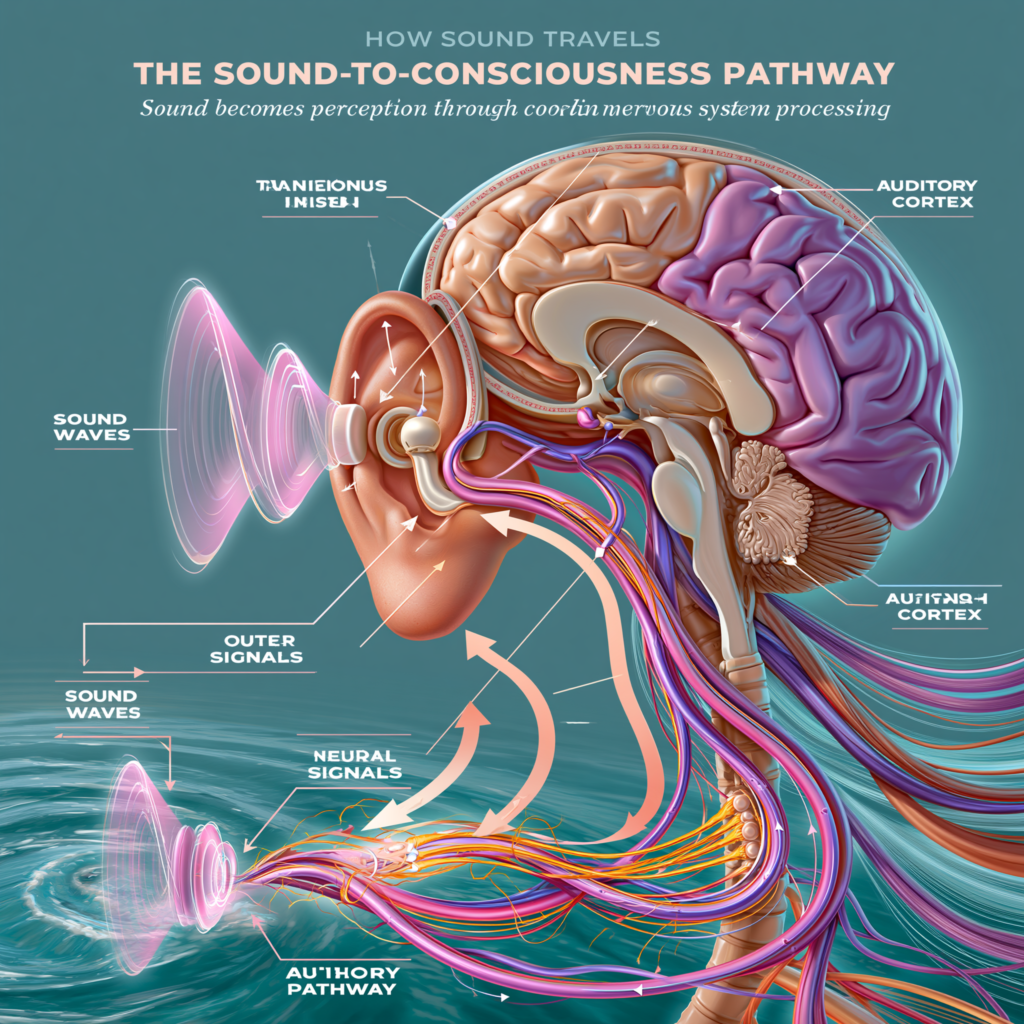
Figure 3. The Brain Song™ as a Reset Ritual
Modern life rarely gives the brain an opportunity to rest. Constant notifications, background noise, multitasking, and information overload keep the nervous system in a state of continuous stimulation. Over time, this mental intensity may contribute to fatigue, reduced focus, emotional tension, and difficulty transitioning into a calmer state.
The Brain Song™ is designed not as a medical treatment but as an intentional wellness ritual that creates space for recovery and reflection.
Listening sessions may encourage you to:
- Pause stimulation by stepping away from screens and daily distractions.
- Regulate breathing through slower, more mindful respiratory patterns that promote relaxation.
- Shift emotional tone by replacing mental busyness with a calmer and more balanced state of awareness.
- Refocus attention by gently guiding the mind away from scattered thoughts and toward sustained presence.
These simple experiences can function as psychological reset points throughout the day. Even a brief 10–20 minute listening session may provide an opportunity to interrupt cycles of stress, reduce cognitive overload, and prepare the brain for the next period of work, learning, or rest.
From a systems biology perspective, restorative practices influence multiple interconnected networks—including the nervous system, stress response, attention regulation, and emotional processing. Rather than producing dramatic instant changes, repeated moments of intentional recovery may gradually support resilience, mental clarity, and overall well-being.
The Brain Song™ is best viewed as one component of a broader healthy lifestyle that also includes quality sleep, regular physical activity, nutrient-rich nutrition, stress management, and meaningful periods of rest. Together, these daily habits help create a more balanced internal environment where focus, creativity, and emotional well-being can naturally flourish.
Avoiding Quick Fixes
Brain health is rarely transformed overnight.
Progress usually reflects repeated behaviors practiced consistently.
Tiny improvements compound.
Five minutes of recovery.
Ten minutes of focused attention.
A regular bedtime.
These habits build resilience.
When to Seek Help
Brain fog accompanied by worsening memory loss, confusion, neurological symptoms, or significant functional impairment requires medical evaluation.
Professional guidance remains essential.
Choosing Sustainability
The goal is not perfection.
It is creating conditions in which the brain can operate at its best.
The Brain Song™ may serve as one small but meaningful part of that larger journey.
The Brain Song™
A Systems-Based Audio Wellness Experience for Memory, Focus, and Cognitive Relaxation.
Ready to experience The Brain Song™ for yourself?
Understanding the science is only the beginning. The true value of audio wellness emerges through consistent practice. Explore how The Brain Song™ can become part of your daily rhythm—supporting moments of focus, emotional balance, cognitive relaxation, and mental recovery through intentional listening habits.