
The Metabolism Reset: What Actually Works for Long-Term Fat Loss
Many people spend years jumping between diets, workout plans, and health trends.
But lasting transformation rarely comes from extreme programs.
Real metabolic health improves when daily habits consistently support the body’s natural systems.
The goal is not temporary weight loss.
The goal is metabolic resilience.
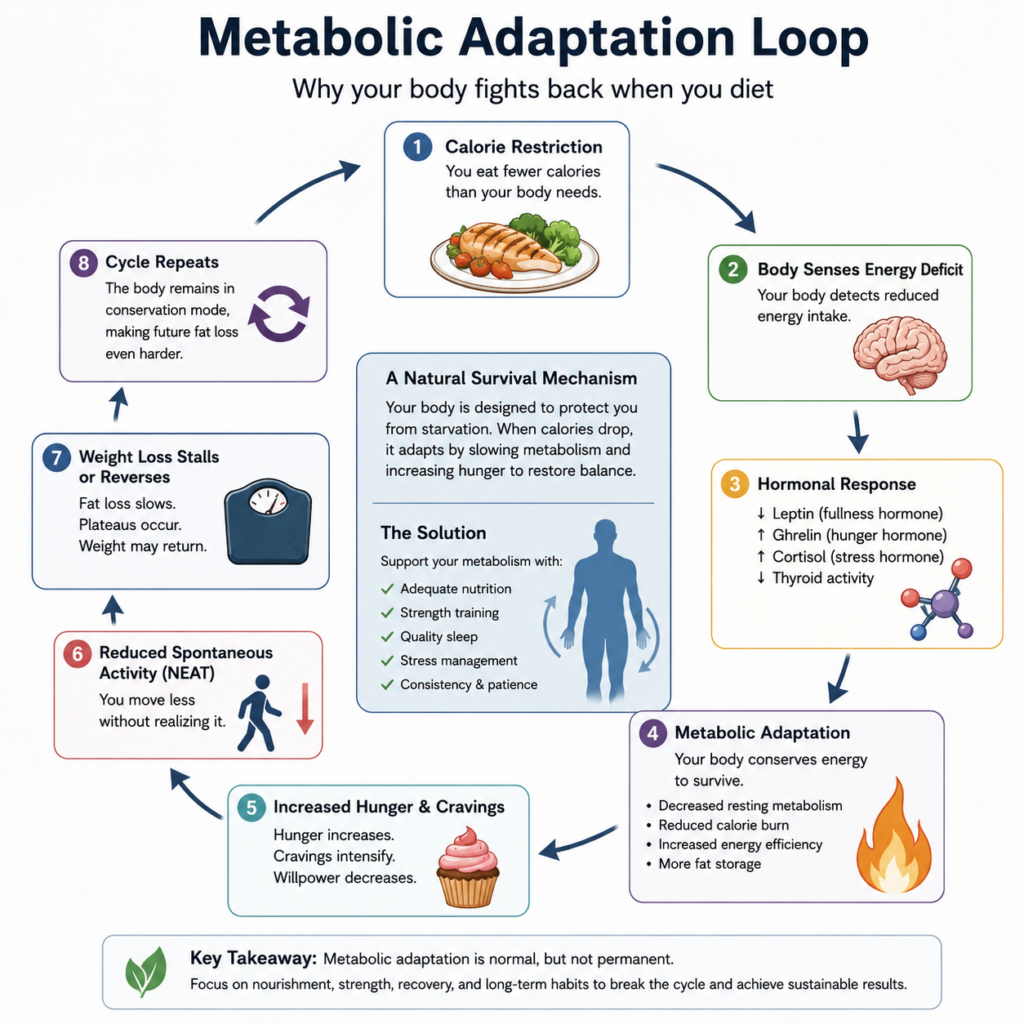
Figure 1. Metabolic Resilience: The Real Goal of Lasting Health
Many people spend years cycling through restrictive diets, intense workout plans, and the latest wellness trends, hoping to find a permanent solution. They may lose weight temporarily, only to regain it weeks or months later. This frustrating pattern is often not a failure of willpower but a reflection of normal human biology.
The body is designed to protect itself from perceived energy shortages. When calorie intake drops significantly, hormonal signals shift, metabolism slows, hunger increases, and spontaneous physical activity often declines. These adaptive responses evolved as survival mechanisms to guard against starvation. For this reason, lasting transformation rarely comes from extreme programs or short-term challenges. Sustainable metabolic health is built through consistent daily behaviors that support the body’s natural regulatory systems rather than fighting against them.
A resilient metabolism is supported by:
- Balanced, nutrient-dense nutrition
- Regular strength and aerobic exercise
- High-quality sleep and circadian rhythm alignment
- Effective stress management
- Adequate protein intake
- Long-term consistency instead of perfection
Small habits practiced every day create cumulative biological benefits that no crash diet can replicate. Rather than chasing rapid weight loss, the focus should be on improving energy regulation, preserving muscle mass, supporting hormonal balance, and enhancing overall physiological resilience.
The ultimate goal is not simply to weigh less—it is to build a body that efficiently adapts to life’s challenges, maintains stable energy, and supports health and longevity for years to come. A resilient metabolism is the foundation of sustainable wellness, allowing healthy habits to become a lifelong lifestyle rather than another temporary diet cycle.
What Is a Metabolism Reset?
A true metabolism reset is not a detox cleanse or crash diet.
It means improving:
- insulin sensitivity
- blood sugar regulation
- muscle health
- sleep quality
- inflammation balance
- stress recovery
- energy production
When these systems improve, sustainable fat loss becomes far more achievable.
Stable blood sugar helps reduce:
- cravings
- energy crashes
- overeating
- excessive insulin release
Helpful strategies include:
- prioritizing protein
- increasing fiber
- reducing sugary beverages
- minimizing ultra-processed foods
- walking after meals
Small changes can create major metabolic improvements over time.
Figure 2. What Is a Metabolism Reset?
A true metabolism reset is not a detox cleanse, starvation diet, or seven-day transformation program. Instead, it is the gradual restoration of the body’s natural ability to produce energy, regulate hormones, and maintain metabolic balance.
Rather than focusing on rapid weight loss, a metabolism reset aims to improve the biological systems that influence long-term health and body composition, including:
- Insulin sensitivity for more efficient glucose utilization
- Blood sugar regulation to support stable energy
- Muscle health to maintain a higher metabolic capacity
- Sleep quality to optimize hormonal recovery
- Inflammation balance to support cellular function
- Stress resilience through healthy cortisol regulation
- Mitochondrial energy production to fuel every cell
When these interconnected systems function more efficiently, the body is better equipped to burn energy, preserve lean muscle, and achieve sustainable fat loss without extreme restriction.
Start With Blood Sugar Stability
Blood sugar is one of the central regulators of metabolic health. Frequent spikes and crashes can trigger hunger, fatigue, and increased food intake, making healthy habits difficult to maintain.
Supporting stable blood sugar may help reduce:
- Excessive cravings
- Afternoon energy crashes
- Overeating and snacking
- Large insulin fluctuations
- Mood swings and mental fatigue
Practical strategies include eating protein and fiber with meals, choosing minimally processed carbohydrates, engaging in regular physical activity, managing stress, and prioritizing consistent sleep.
A Systems Biology Perspective
Modern science views metabolism as an integrated network rather than a single number measured by calories burned. The brain, pancreas, liver, muscles, adipose tissue, hormones, gut microbiome, and mitochondria constantly exchange signals to maintain energy balance.
A successful metabolism reset therefore focuses on restoring communication across these systems instead of relying on quick fixes. Small, consistent improvements in nutrition, movement, recovery, and lifestyle create cumulative biological adaptations that support long-term metabolic resilience.
The ultimate goal is not simply to lose weight—it is to build a healthier, more flexible metabolism that provides steady energy, supports hormonal balance, and promotes lifelong wellness.
Build Muscle to Protect Metabolism
Muscle plays a critical role in:
- glucose regulation
- calorie utilization
- healthy aging
- insulin sensitivity
Strength training helps preserve lean tissue and supports long-term metabolic function.
The goal is not perfection.
The goal is consistent movement.
Walking Is Powerful
Walking supports:
- blood sugar control
- fat oxidation
- stress reduction
- cardiovascular health
- recovery
Daily movement often matters more than occasional extreme exercise.
Sleep Is Foundational
Sleep affects nearly every aspect of metabolism.
Improving sleep may help regulate:
- hunger hormones
- cortisol
- insulin sensitivity
- recovery
- appetite control
Consistent sleep patterns support long-term metabolic stability.
Stress Management Matters
The body cannot thrive under chronic survival signaling.
Stress reduction strategies may include:
- outdoor walks
- mindfulness
- breathing exercises
- social connection
- reduced screen overload
- recovery time
Metabolic health depends on nervous system balance.
Focus on Sustainability
Extreme plans often fail because they are impossible to maintain.
Sustainable health habits should feel realistic for everyday life.
Long-term consistency beats short-term intensity.
Health Is More Than Weight
Improved metabolic health often includes:
- better energy
- improved mood
- more stable appetite
- reduced inflammation
- healthier blood sugar
- improved mobility
Fat loss is often a side effect of becoming healthier internally.
The Future of Metabolic Health
Modern medicine increasingly recognizes the importance of:
- lifestyle medicine
- systems biology
- preventive care
- continuous health monitoring
- metabolic optimization
The future of health is likely to focus less on reactive disease treatment and more on prevention and metabolic resilience.

Figure 3. The Future of Metabolic Health
The future of metabolic health is moving beyond treating disease after it develops and toward maintaining wellness before problems arise. Modern medicine increasingly recognizes that metabolism is not controlled by a single organ but by an interconnected network involving the brain, hormones, muscles, liver, gut microbiome, immune system, and mitochondria.
Lifestyle Medicine forms the foundation of this new approach. Daily habits—including nutritious eating, regular physical activity, quality sleep, stress management, and social connection—can profoundly influence blood sugar regulation, inflammation, and energy metabolism.
Systems Biology provides a broader perspective by viewing the human body as an integrated biological network. Rather than focusing on isolated symptoms, clinicians and researchers examine how multiple systems communicate through hormones, neural pathways, immune signals, and metabolic feedback loops.
Preventive Care aims to identify risk factors long before chronic diseases develop. Routine biomarker testing, body composition analysis, and personalized risk assessment may help individuals intervene earlier and maintain long-term health.
Continuous Health Monitoring is becoming increasingly accessible through wearable devices and digital health platforms that track glucose trends, heart rate variability, sleep quality, physical activity, and recovery patterns in real time.
Finally, Metabolic Optimization represents a personalized strategy that combines lifestyle interventions, precision nutrition, behavioral science, and artificial intelligence to support resilient metabolism throughout life.
The future of healthcare is shifting from simply extending lifespan to improving healthspan—helping people maintain energy, cognitive function, mobility, and metabolic flexibility as they age. AI-powered preventive medicine has the potential to transform healthcare from reactive treatment into proactive, individualized wellness management.
Final Thoughts
The human body is remarkably adaptable.
When nutrition, sleep, movement, recovery, and stress regulation improve together, metabolism often becomes more efficient naturally.
The answer is rarely another extreme diet.
The answer is building a lifestyle that supports long-term biological health.
Sustainable fat loss is not about fighting your body.
It is about helping your body function the way it was designed to function.
Explore Science-Based Guides for Preventive metabolism Care and Healthy