
Natural Strategies That May Support Long-Term Hearing Wellness
Healthy hearing is not built through one single product.
Long-term hearing wellness often depends on consistent daily habits that support:
- circulation,
- nervous system balance,
- inflammation control,
- sleep quality,
- and cellular resilience.

Figure 1. Healthy Hearing Starts With Daily Habits
Healthy hearing is not built through one supplement, one device, or one quick solution. Like heart health or metabolic wellness, long-term hearing depends on the condition of the entire body. The delicate sensory cells of the inner ear require a constant supply of oxygen, nutrients, and energy to function properly, making everyday lifestyle choices an important part of hearing wellness.
Good circulation helps deliver blood and nutrients to the cochlea, one of the most metabolically active structures in the body. Regular physical activity, blood pressure management, and cardiovascular health may all contribute to maintaining healthy auditory function.
A balanced nervous system also plays an essential role. Chronic stress and excessive stimulation can increase muscle tension, affect auditory processing, and make symptoms such as tinnitus feel more noticeable. Relaxation techniques, mindfulness, and regular movement can support nervous system resilience.
Managing inflammation through a nutrient-rich diet, adequate hydration, and healthy lifestyle habits may help create a more supportive environment for overall ear health. Foods rich in colorful vegetables, fruits, omega-3 fatty acids, and antioxidants provide nutrients that support cellular function throughout the body.
Quality sleep is another often-overlooked factor. During sleep, the brain processes sensory information while tissues repair and recover. Consistent sleep schedules may benefit both cognitive performance and auditory processing.
Finally, maintaining cellular resilience through exercise, balanced nutrition, avoiding smoking, limiting excessive noise exposure, and regular preventive care helps support healthy aging of the auditory system.
Rather than relying on a single product, the most evidence-based approach views hearing as part of an interconnected biological network. Small, consistent daily habits that support circulation, nervous system balance, inflammation control, restorative sleep, and cellular health may provide the strongest foundation for preserving hearing and overall sensory wellness throughout life.
Helpful lifestyle strategies may include:
- protecting ears from excessive noise,
- prioritizing sleep,
- eating anti-inflammatory foods,
- regular movement and exercise,
- stress reduction,
- and avoiding smoking.
Some individuals also explore hearing-support supplements as part of a broader preventive wellness strategy.
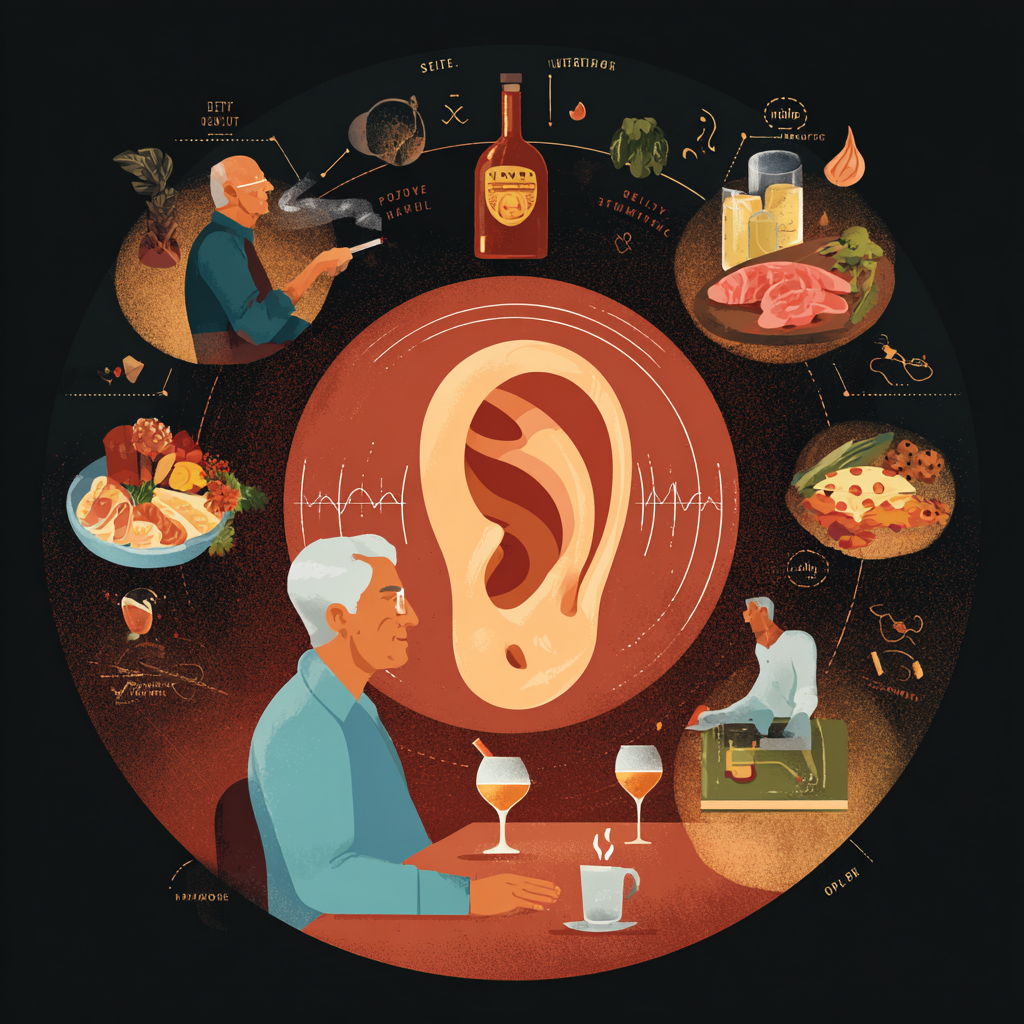
Figure 2. Healthy Habits That Support Long-Term Hearing Wellness
Healthy hearing is influenced by far more than the ears alone. The auditory system depends on healthy blood vessels, balanced nerve signaling, efficient cellular energy production, and the body’s ability to manage inflammation and recover from daily stress. While no lifestyle habit can guarantee perfect hearing, consistent healthy choices may help support auditory function throughout life.
One of the most important strategies is protecting ears from excessive noise. Limiting prolonged exposure to loud environments, using hearing protection during concerts or noisy work, and keeping headphone volumes at safe levels can reduce unnecessary stress on the delicate hair cells of the inner ear.
Prioritizing sleep is equally important. During restful sleep, the brain processes sensory information, repairs tissues, and restores energy balance. Poor sleep has been associated with increased inflammation, stress hormone activity, and reduced overall neurological resilience.
A diet emphasizing anti-inflammatory foods may also support long-term hearing health. Colorful fruits and vegetables, whole grains, fish rich in omega-3 fatty acids, nuts, seeds, and olive oil provide vitamins, minerals, and antioxidants that help maintain healthy cells and circulation.
Regular movement and exercise promote cardiovascular fitness and improve blood flow throughout the body, including the tiny vessels that nourish the inner ear. Even daily walking and moderate physical activity can contribute to better metabolic and vascular health.
Managing stress through relaxation techniques, mindfulness, social connection, or time spent outdoors may help maintain nervous system balance, while avoiding smoking supports healthy circulation and reduces exposure to toxins that can damage blood vessels and sensory tissues.
Rather than relying on a single supplement or quick fix, hearing wellness is best viewed as part of a whole-body preventive health strategy. Small, consistent lifestyle habits that support circulation, sleep, inflammation control, and cellular resilience may provide meaningful benefits for maintaining healthy hearing and overall quality of life as we age.
The key is consistency, education, and realistic expectations.
Small daily habits may have a larger long-term impact than quick-fix solutions.
Hearing health is not just about the ears—it is an important part of protecting brain function, communication, independence, and quality of life. Discover how preventive choices can support long-term sensory resilience.