
The Inflammation–Mobility Connection: Why Healthy Joints Depend on Whole-Body Health
Many people imagine inflammation as something visible—a swollen ankle or a painful knee after injury.
However, scientists increasingly recognize another form known as chronic low-grade inflammation.
This subtle biological state may influence metabolism, cardiovascular health, brain function, immune regulation, and joint comfort simultaneously.

Figure 1. The Hidden Impact of Chronic Low-Grade Inflammation
Many people think of inflammation as something obvious—a swollen ankle after a sprain or a painful knee following an injury. In reality, scientists now recognize another form known as chronic low-grade inflammation, a subtle and persistent biological state that may quietly affect multiple systems throughout the body.
Unlike acute inflammation, which helps tissues heal and protects against infection, chronic low-grade inflammation can linger for months or even years. It often produces few noticeable symptoms while continuously influencing metabolism, cardiovascular function, brain performance, immune balance, and joint health.
Research suggests that this ongoing inflammatory activity may contribute to insulin resistance, blood sugar dysregulation, and unwanted weight gain. It may also affect blood vessels and increase cardiovascular risk by interfering with normal vascular function. In the brain, persistent inflammation has been associated with mental fatigue, brain fog, reduced concentration, and mood changes.
The immune system is equally affected. Continuous low-level activation may disrupt normal immune regulation, making the body less efficient at maintaining balance. Meanwhile, joints and connective tissues may experience gradual stiffness, discomfort, and reduced mobility over time.
Fortunately, everyday lifestyle choices can help support a healthier inflammatory response. A diet rich in colorful fruits and vegetables, regular physical activity, quality sleep, effective stress management, and maintaining a healthy body weight all contribute to overall physiological balance.
Rather than searching for a single quick fix, modern preventive medicine emphasizes consistent daily habits that support the body’s natural regulatory systems. Small, sustainable improvements can have meaningful long-term benefits for whole-body health, resilience, and healthy aging.
What Is Chronic Inflammation?
Unlike acute inflammation, which resolves after healing, chronic inflammation may persist for months or years.
Contributors include:
- Excess visceral fat
- Poor sleep
- Sedentary lifestyles
- High sugar intake
- Chronic stress
- Smoking
- Environmental exposures
These factors continually activate immune signaling pathways.
The Joint Environment
Joint tissues are constantly remodeled.
Specialized cells maintain cartilage while immune cells monitor tissue integrity.
When inflammatory signaling remains elevated, this delicate balance may become disrupted.
The result may include:
- Increased stiffness
- Reduced comfort
- Slower recovery
- Greater sensitivity during movement
Body Weight and Mechanical Stress
Every additional pound of body weight increases loading forces across weight-bearing joints.
Walking may multiply these forces several times.
Even modest weight reduction may reduce mechanical stress while also lowering inflammatory signaling associated with excess adipose tissue.
Sleep and Recovery
Joint repair occurs continuously.
Sleep supports:
- Growth hormone release
- Protein synthesis
- Nervous system recovery
- Immune regulation
Chronic sleep deprivation may increase inflammatory markers while reducing tissue recovery capacity.
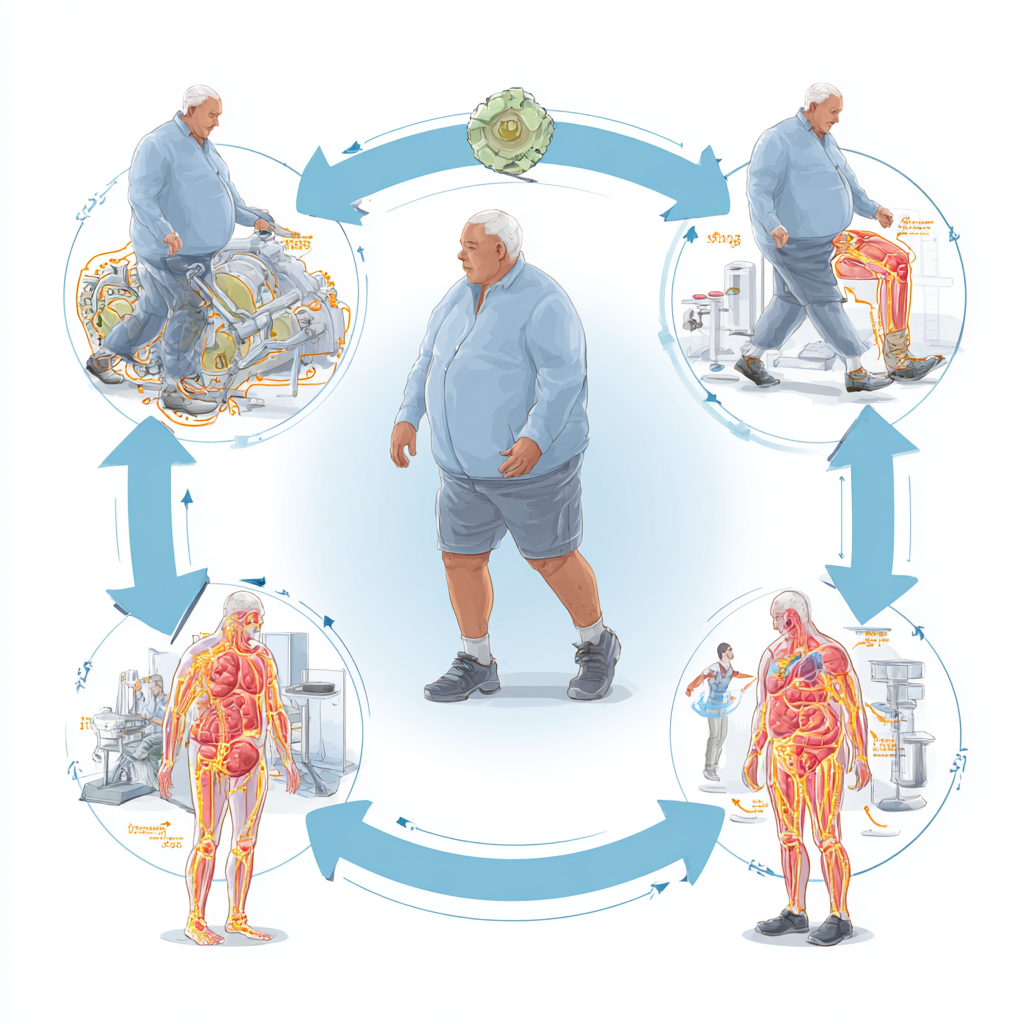
Figure 2. Body Weight and Mechanical Stress
Body weight influences far more than appearance—it directly affects how the musculoskeletal system functions every day. With every step, weight-bearing joints such as the knees, hips, ankles, and lower back absorb forces that often exceed body weight by two to four times during normal walking and even more during climbing or running.
For individuals carrying excess weight, this repeated mechanical loading places additional stress on cartilage, ligaments, tendons, and surrounding muscles. Over time, the increased pressure may contribute to joint stiffness, reduced mobility, discomfort, and the progression of degenerative changes.
Excess adipose tissue also acts as a biologically active organ. It releases inflammatory signaling molecules that may contribute to chronic low-grade inflammation, influencing not only joint health but also metabolism, cardiovascular function, and immune regulation. This means that body weight affects joints through both mechanical loading and systemic biology.
Fortunately, even modest weight reduction can produce meaningful benefits. Studies suggest that losing a relatively small percentage of body weight may decrease joint loading forces, improve mobility, and reduce inflammatory stress throughout the body. Combined with regular low-impact exercise and strength training, healthy weight management supports long-term joint resilience and overall physical function.
Sleep and Recovery
Joint repair is an ongoing biological process that continues long after physical activity ends. During restful sleep, the body shifts into a recovery state where tissues are repaired, damaged proteins are replaced, and cellular maintenance is accelerated.
Quality sleep supports several key processes essential for musculoskeletal health:
- Growth hormone release, which promotes tissue repair and regeneration
- Protein synthesis, helping maintain muscles, tendons, and connective tissue
- Nervous system recovery, reducing muscle tension and improving coordination
- Immune regulation, helping maintain a balanced inflammatory response
Insufficient or poor-quality sleep has been associated with increased pain sensitivity, slower recovery, elevated inflammation, and reduced physical performance. Over time, chronic sleep deprivation may contribute to fatigue, decreased mobility, and impaired healing.
From a systems biology perspective, healthy joints depend not only on movement and nutrition but also on consistent recovery. Prioritizing seven to nine hours of quality sleep each night provides the body with an opportunity to restore tissues, regulate hormones, and maintain the complex biological networks that support lifelong mobility and healthy aging.
Exercise as Anti-Inflammatory Medicine
Moderate physical activity does far more than strengthen muscles.
Regular exercise may:
- Improve circulation
- Enhance mitochondrial function
- Increase insulin sensitivity
- Reduce inflammatory signaling
- Improve mood
- Support joint lubrication
Consistency is more important than intensity.
Dietary Patterns Matter
Evidence increasingly favors dietary patterns rather than miracle foods.
Helpful approaches emphasize:
- Vegetables
- Fruits
- Fish
- Olive oil
- Beans
- Whole grains
- Nuts
At the same time, limiting ultra-processed foods may reduce excessive inflammatory stimulation.

Figure 3. Dietary Patterns Matter
Modern nutrition research increasingly suggests that long-term health is shaped by overall dietary patterns rather than any single “superfood” or miracle ingredient. The foods we eat interact with metabolism, the immune system, the gut microbiome, and inflammatory pathways every day, making consistency far more important than isolated nutritional trends
Beneficial choices often include:
- Vegetables – rich in fiber, vitamins, minerals, and phytochemicals that help maintain normal inflammatory balance.
- Fruits – provide antioxidants and natural compounds that support cellular resilience and cardiovascular health.
- Fish – particularly fatty fish, which supply omega-3 fatty acids associated with heart, brain, and joint health.
- Olive oil – a source of monounsaturated fats and polyphenols that fit well within Mediterranean-style eating patterns.
- Beans and legumes – excellent sources of plant protein, fiber, and micronutrients that promote blood sugar stability and digestive health.
- Whole grains – provide sustained energy, dietary fiber, and nutrients that support metabolic function.
- Nuts and seeds – deliver healthy fats, protein, magnesium, and antioxidants that contribute to overall wellness.
Healthy dietary patterns typically emphasize a variety of minimally processed, nutrient-dense foods that work together to support whole-body function.
Rather than focusing on restriction or quick fixes, preventive medicine encourages building sustainable eating habits that can be maintained for years. Small, consistent choices—adding an extra serving of vegetables, replacing refined grains with whole grains, or choosing fish and olive oil more often—may have meaningful cumulative effects on metabolic health, cardiovascular function, joint comfort, and healthy aging.
The goal is not dietary perfection, but a balanced pattern that nourishes the body’s interconnected biological systems every day.
Managing Stress
The nervous system and immune system constantly communicate.
Chronic stress may increase muscle tension, pain perception, and inflammatory activity.
Relaxation practices such as:
- Walking
- Meditation
- Deep breathing
- Yoga
- Social connection
may indirectly support joint comfort.
Looking Beyond Symptoms
Joint health reflects overall biological resilience.
Rather than focusing exclusively on pain, a systems approach considers:
- Metabolism
- Sleep
- Nutrition
- Muscle strength
- Recovery
- Emotional well-being
Healthy mobility often begins with healthy physiology.
Start protecting your mobility today — one small step can support stronger joints, better movement, and healthier aging.