
A Smarter Approach to Memory Support
There is no single “magic solution” for memory and focus.
The brain is influenced by an interconnected network of systems including:
- sleep,
- metabolism,
- inflammation,
- stress,
- movement,
- nutrition,
- and nervous system balance.
This systems-based perspective is becoming increasingly important in modern cognitive wellness discussions.
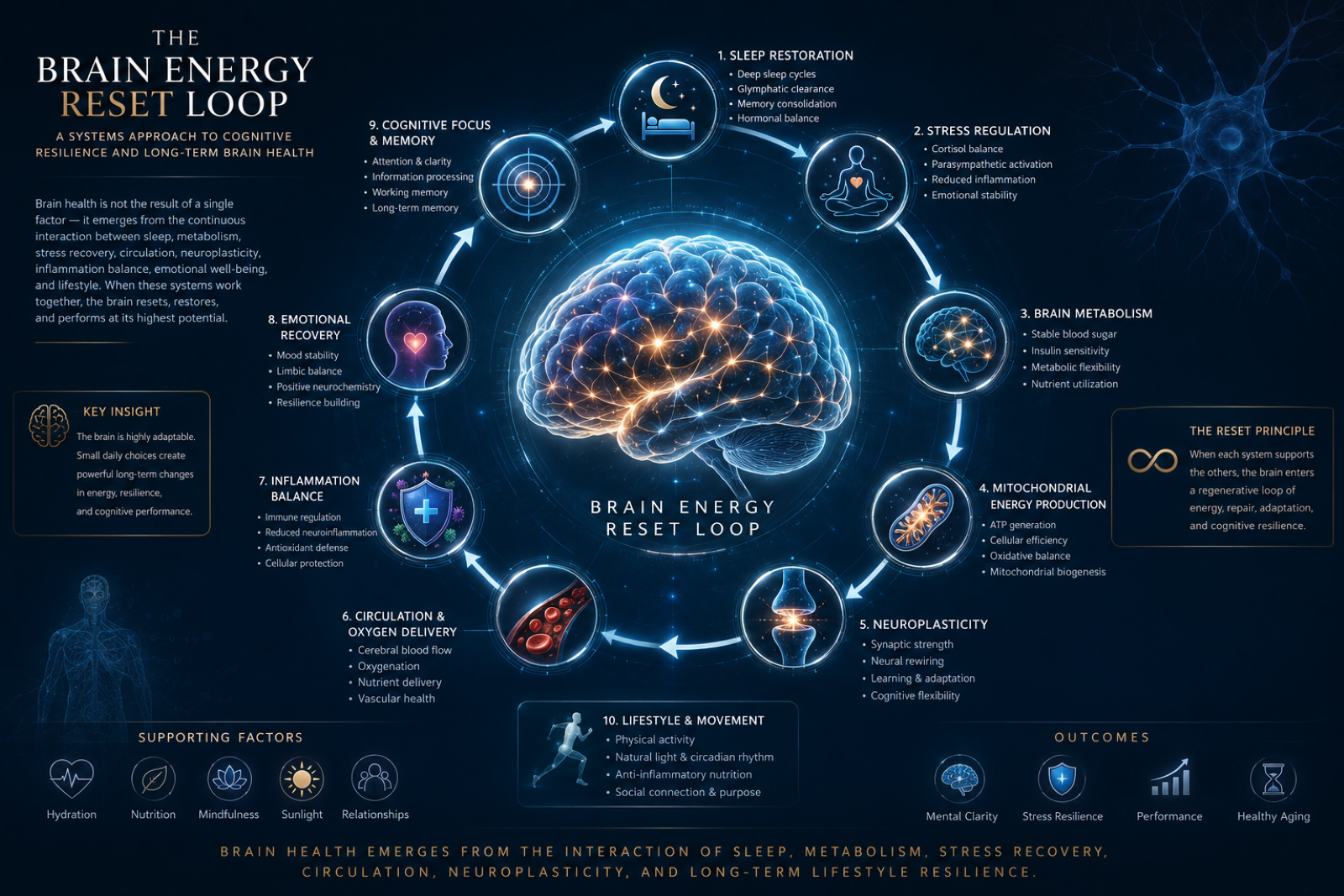
Figure 1. Systems-Based Brain Health: Why There Is No Single “Magic Solution” for Memory and Focus
Many people search for one supplement, one exercise, or one breakthrough technique that will instantly improve memory and concentration. Modern neuroscience, however, paints a much more comprehensive picture.
The brain functions as an integrated biological system rather than an isolated organ. Cognitive performance emerges from the continuous interaction of multiple physiological networks that influence one another every day.
Sleep provides the foundation for memory consolidation, glymphatic waste clearance, hormonal regulation, and neural recovery. Even a healthy brain cannot perform optimally without consistent restorative sleep.
Metabolism supplies neurons with the energy they require. Stable blood sugar, insulin sensitivity, and efficient nutrient utilization help maintain steady attention and mental endurance while reducing energy crashes.
Inflammation also plays a critical role. Short-term inflammation supports healing, but persistent low-grade inflammation may interfere with neural communication, synaptic function, and overall cognitive resilience.
Stress regulation influences nearly every aspect of brain function. Chronic elevation of stress hormones may impair working memory, attention, emotional regulation, and learning capacity, whereas relaxation and parasympathetic activation support recovery.
Regular physical movement increases cerebral blood flow, supports mitochondrial energy production, promotes neuroplasticity, and stimulates the release of growth factors that help maintain healthy neural networks.
Equally important is nutrition, which provides amino acids, essential fatty acids, vitamins, minerals, and antioxidants necessary for neurotransmitter synthesis and cellular repair.
Finally, nervous system balance integrates these processes. Healthy circadian rhythms, emotional regulation, social connection, and recovery practices help coordinate communication between the brain, immune system, endocrine system, and metabolism.
Rather than relying on a single intervention, long-term cognitive wellness is more likely to emerge from consistent daily habits that strengthen these interconnected systems. Small improvements across sleep, metabolism, movement, nutrition, stress management, and inflammation control may work together to build greater mental clarity, resilience, focus, and lifelong brain health.
Programs like Memory Wave are attracting attention because they attempt to support relaxation and mental calmness through guided audio experiences.
For many users, the goal is not perfection—but reducing mental noise, improving focus habits, and creating moments of cognitive recovery in an overstimulated world.
Whether or not a specific audio system works for an individual, the broader lesson remains important:

Figure 2. The Brain Needs Recovery, Not Constant Stimulation
Programs like Memory Wave are attracting growing attention because they seek to promote relaxation, mental calmness, and focused attention through guided audio experiences. Rather than promising instant intelligence or photographic memory, these approaches encourage intentional moments of stillness in a world filled with constant notifications, multitasking, and information overload.
For many users, the objective is simple: reduce mental noise, establish healthier focus habits, and create opportunities for cognitive recovery. Listening sessions may become part of a daily wellness routine, much like meditation, breathing exercises, or quiet reflection.
Modern neuroscience increasingly recognizes that the brain is an energy-intensive organ that benefits from regular periods of restoration. During restful states, neural networks reorganize information, stress responses may decrease, and attention systems have an opportunity to reset. While individual experiences vary and no audio program can guarantee specific cognitive outcomes, structured relaxation practices may help some people feel calmer, more present, and better able to concentrate.
The broader lesson extends far beyond any single product or technology. Memory, focus, and mental clarity emerge from the interaction of many biological systems, including sleep quality, metabolism, physical activity, stress regulation, nutrition, inflammation balance, and emotional well-being.
Just as muscles require recovery after exercise, the brain also benefits from periods of reduced stimulation and intentional rest. Building daily habits that support recovery may contribute more to long-term cognitive resilience than constantly seeking another shortcut.
Ultimately, sustainable brain health is not about chasing perfection—it is about creating consistent opportunities for restoration, allowing the mind to recover, adapt, and perform at its best over the long term.
The brain needs recovery just as much as the body does.
Trusted Educational Resources for The Brain Energy Reset Longevity and Mobility Support