
The Goal Is Metabolic Health, Not Just Weight Loss
Many people spend years chasing lower numbers on the scale.
But true health is bigger than body weight alone.
A healthier metabolism may influence:
- energy,
- brain function,
- sleep,
- mobility,
- cardiovascular health,
- inflammation,
- and long-term aging.
The real goal is not simply becoming thinner.
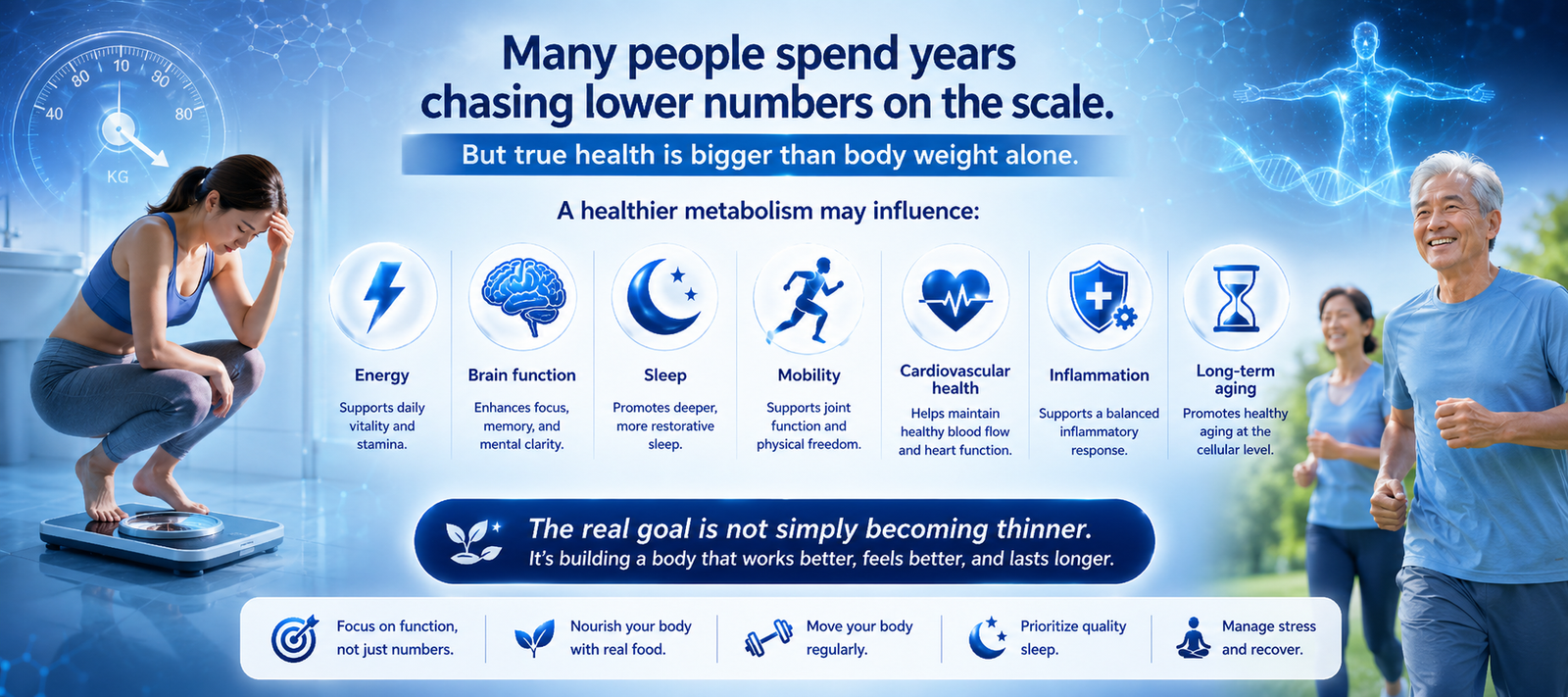
Figure 1. The Real Goal Is Better Metabolic Health
Many people spend years chasing a smaller number on the scale, believing that weight alone defines health and success. Yet modern science paints a much broader picture. Metabolic health influences how efficiently the body produces energy, regulates hormones, repairs tissues, and maintains long-term resilience. The goal is not simply to lose weight—it is to build a healthier, stronger, and more adaptable body.
A well-functioning metabolism supports steady energy throughout the day, reducing fatigue and improving physical performance. It also plays an important role in brain function, helping maintain focus, memory, and mental clarity while supporting emotional balance.
Healthy metabolism is closely connected with restorative sleep. During sleep, the body regulates hormones, repairs cells, and restores energy reserves, creating a foundation for recovery and overall well-being. At the same time, efficient metabolic function supports mobility by providing muscles and joints with the energy needed for movement and daily activities.
Cardiovascular health also benefits from balanced metabolism through healthier blood sugar regulation, improved circulation, and better vascular function. In addition, metabolic balance helps regulate inflammation, supporting the immune system and reducing chronic biological stress that can contribute to many age-related conditions.
Perhaps most importantly, metabolic health is increasingly recognized as a cornerstone of healthy aging. Maintaining efficient cellular energy production, preserving muscle mass, and supporting tissue repair may contribute to greater vitality and independence over time.
The most effective strategy is to focus on sustainable daily habits rather than rapid weight-loss solutions. Nutritious whole foods, regular physical activity, quality sleep, stress management, and consistent recovery practices work together to create lasting improvements.
The real measure of success is not becoming thinner—it is becoming healthier, stronger, more energetic, and better prepared for a long, active life.
The deeper goal is restoring biological resilience.
When metabolism improves, many people also notice:
- steadier energy,
- reduced cravings,
- better recovery,
- improved mood,
- more stable appetite,
- and healthier daily functioning.
Long-term health rarely comes from short-term extremes.
It usually comes from sustainable biological habits:
- nutrient-dense eating,
- muscle-building movement,
- stress regulation,
- quality sleep,
- hydration,
- and consistent recovery.
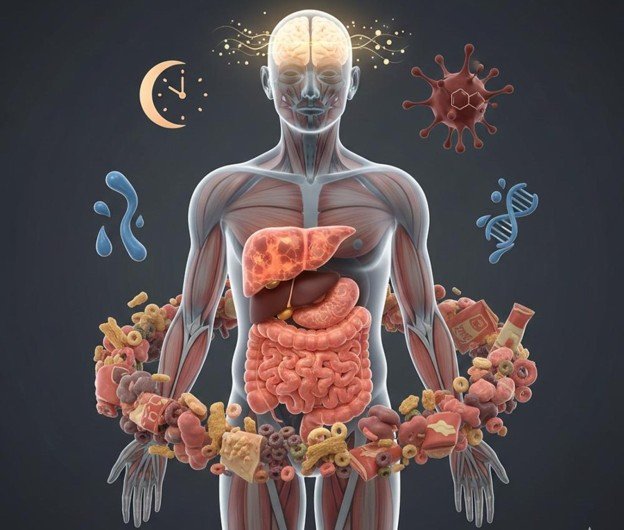
Figure 2. Long-term health rarely comes from short-term extremes.
Modern research increasingly supports the idea that lasting wellness is built through small, consistent behaviors rather than dramatic interventions or restrictive programs. The human body functions as an interconnected biological system, where nutrition, movement, sleep, stress, and recovery continuously influence one another.
A sustainable lifestyle often includes:
🥗 Nutrient-Dense Eating
Prioritize whole foods rich in protein, fiber, healthy fats, vitamins, minerals, and phytonutrients. These foods help support energy production, metabolic function, immune health, and cellular repair while promoting stable blood sugar levels.
💪 Muscle-Building Movement
Regular resistance training and daily physical activity preserve muscle mass, improve insulin sensitivity, strengthen bones, and support healthy aging. Even walking, stretching, and bodyweight exercises contribute to long-term resilience.
🧘 Stress Regulation
Chronic stress can influence hormones, inflammation, sleep quality, and appetite. Mindfulness practices, breathing exercises, social connection, and intentional breaks help maintain a balanced nervous system.
🌙 Quality Sleep
Sleep is a biological restoration period during which the brain consolidates memories, hormones rebalance, tissues repair, and the immune system recovers. Consistent sleep habits are fundamental to overall health.
💧 Hydration
Water supports circulation, digestion, temperature regulation, nutrient transport, and countless cellular processes. Maintaining adequate hydration helps every organ system function efficiently.
🔄 Consistent Recovery
Health is strengthened not only by activity but also by recovery. Rest days, gentle movement, adequate nutrition, and sufficient sleep allow muscles, the nervous system, and metabolic pathways to adapt and improve.
Rather than chasing quick fixes, a systems-based approach recognizes that small daily habits compound over time. Sustainable choices repeated consistently often produce greater long-term benefits than short periods of extreme dieting or intensive exercise, supporting metabolic health, cognitive function, mobility, cardiovascular wellness, and healthy aging.
The body is an adaptive system.
When supportive conditions improve, the body often responds remarkably over time.
Metabolic restoration is not about perfection.
It is about gradually rebuilding health from the inside out.
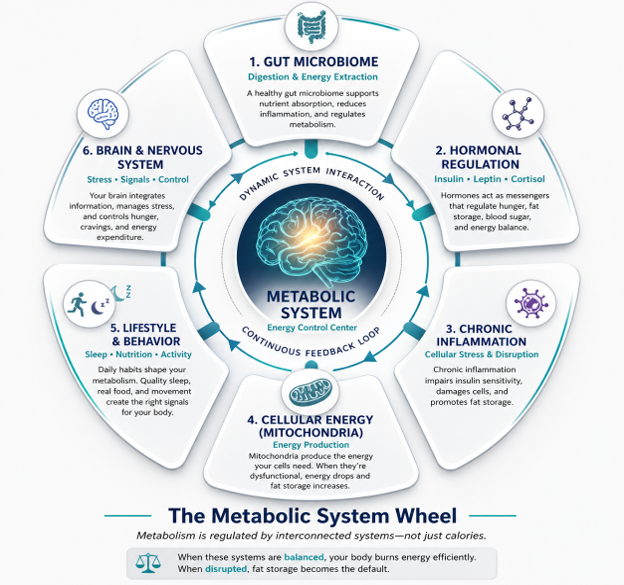
Figure 3. The Body Is an Adaptive System
The human body is not a static machine—it is a dynamic, self-regulating biological network that constantly responds to its environment. Every meal, every night of sleep, every workout, and every moment of recovery sends signals that influence metabolism, immunity, hormones, and cellular function.
When supportive conditions improve, the body often demonstrates an extraordinary capacity for adaptation. Better nutrition may enhance energy production, regular movement can improve insulin sensitivity and muscle function, restorative sleep supports tissue repair, and stress management helps rebalance the nervous and endocrine systems. These gradual changes work together, creating positive biological feedback loops that reinforce long-term health.
Metabolic restoration is therefore not about pursuing perfection or following extreme diets, detoxes, or unsustainable routines. Instead, it is a process of consistently providing the body with the conditions it needs to function efficiently.
Small daily actions can accumulate into meaningful improvements:
- 🥗 Nourishing the body with whole, nutrient-dense foods
- 💪 Building and preserving muscle through regular movement
- 🌙 Prioritizing quality sleep and circadian rhythms
- 💧 Maintaining adequate hydration
- 🧘 Reducing chronic stress and supporting nervous system balance
- 🔄 Allowing time for recovery and cellular repair
Rather than chasing rapid transformations, a systems-based approach recognizes that health is built through countless adaptive responses occurring every day. Over weeks, months, and years, these positive inputs can strengthen metabolic flexibility, reduce inflammation, improve resilience, and support healthy aging.
Metabolic restoration is not about becoming perfect overnight—it is about patiently rebuilding health from the inside out, one sustainable habit at a time.
👉 The Metabolism Reset Blueprint offers a systems-based approach to understanding modern metabolic dysfunction and supporting long-term fat-burning naturally.