
The Future of Cognitive Wellness: Why Preventive Brain Care Matters
Historically, brain health entered the conversation after problems emerged.
Forgetfulness worsened.
Stress became overwhelming.
Sleep collapsed.
Only then did people seek solutions.
Preventive medicine offers another path.

Figure 1. The Shift Toward Preventive Brain Health
For much of history, brain health received attention only after symptoms became impossible to ignore. Memory lapses increased, stress felt overwhelming, sleep quality deteriorated, and mental fatigue gradually affected daily life. By the time many people sought help, years of biological changes may already have accumulated.
Modern preventive medicine offers a different perspective. Instead of waiting for cognitive decline or persistent symptoms, it emphasizes supporting brain function throughout life by promoting healthy habits that strengthen the body’s natural regulatory systems.
Research increasingly highlights the importance of maintaining consistent sleep, regular physical activity, balanced nutrition, stress management, metabolic health, and lifelong learning. These interconnected factors influence neuroplasticity, energy production, circulation, inflammation balance, and communication between neurons.
Rather than searching for a single miracle solution, preventive neuroscience recognizes that long-term brain resilience is built through thousands of small daily decisions. A healthy brain is supported not only by the nervous system but also by cardiovascular health, immune regulation, hormonal balance, and sensory stimulation.
The future of brain health is shifting from reactive treatment toward proactive maintenance—using education, biomarkers, digital monitoring, personalized interventions, and systems biology to preserve cognitive performance before problems arise.
The goal is simple yet powerful: protect brain function early, maintain resilience over time, and support lifelong learning, memory, focus, and overall neurological well-being.
From Reactive to Preventive Thinking
Reactive approaches ask:
“What do we do after decline occurs?”
Preventive approaches ask:
“How can we support resilience before problems develop?”
This shift is transforming many areas of health.
Brain wellness is no exception.
Pillars of Preventive Brain Care
Long-term cognitive resilience depends upon multiple domains.
Sleep Health
Deep sleep supports memory processes.
Physical Activity
Movement promotes vascular and metabolic health.
Nutrition
Healthy dietary patterns nourish the brain.
Stress Regulation
Recovery protects cognitive capacity.
Social Connection
Relationships influence emotional well-being.
Lifelong Learning
Novel experiences encourage adaptability.
The Emerging Role of Audio Wellness
As interest in non-invasive strategies grows, sound-based experiences may occupy a unique niche.
They are:
- Accessible
- Portable
- Affordable
- Easy to integrate into routines
Most importantly, they encourage intentional pauses.
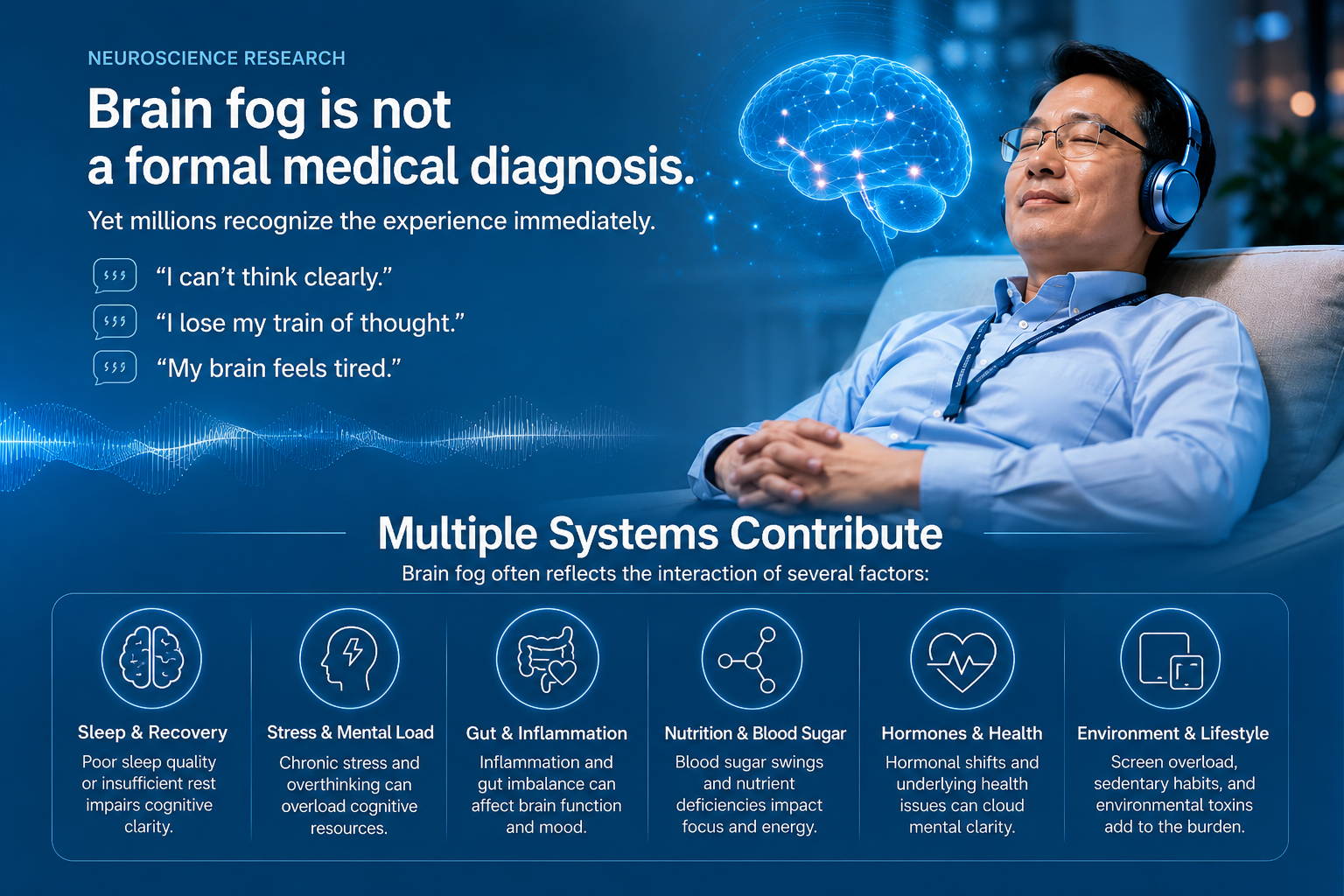
Figure 2. The Emerging Role of Audio Wellness
In an increasingly connected world, many people spend hours each day surrounded by notifications, conversations, and digital stimulation. As a result, interest is growing in simple, non-invasive approaches that encourage moments of mental recovery rather than constant activity. Audio wellness is emerging as one of these supportive practices.
Unlike complex interventions, sound-based experiences are designed to fit naturally into everyday life. They are:
- Accessible — requiring little more than a quiet space and headphones.
- Portable — usable at home, during travel, or as part of a work break.
- Affordable — often available without expensive equipment or ongoing commitments.
- Easy to integrate into routines — whether during morning preparation, meditation, or evening wind-down.
Beyond convenience, their greatest value may be the habit they create. Listening sessions encourage people to slow down, reduce external distractions, and become more aware of breathing, posture, and mental state.
While research into audio-based wellness continues to evolve and individual responses vary, many users report that these intentional pauses help them feel calmer, more focused, and mentally refreshed. Rather than serving as a medical treatment, sound-based experiences can become part of a broader lifestyle strategy that also includes quality sleep, regular movement, balanced nutrition, stress management, and healthy daily rhythms.
In this way, audio wellness is less about finding a quick fix and more about creating consistent opportunities for the brain and nervous system to recover from the demands of modern life. Small moments of intentional rest, repeated over time, may become meaningful building blocks for long-term cognitive wellness and overall well-being.
The Brain Song™ Philosophy
The Brain Song™ does not promise miracles.
Instead, it embraces realistic principles:
Support relaxation.
Encourage presence.
Promote healthy routines.
Respect the interconnected nature of the brain.
Building Your Personal Brain Wellness Plan
Ask yourself:
- How many hours do I sleep?
- When do I truly rest?
- How often do I move?
- Do I allow my mind periods of recovery?
- What rituals support my focus?
If these questions reveal opportunities for change, begin small.
Choose one habit.
Practice consistently.
Then build.
The Brain of the Future
The future of brain care may not rely solely on advanced technologies or pharmaceuticals.
It may also include simple daily practices that help people reconnect with themselves.
Moments of stillness.
Meaningful sound.
Intentional recovery.
The Brain Song™ reflects this emerging philosophy of preventive cognitive wellness—one that honors the remarkable complexity of the human mind while recognizing that sometimes, the most powerful interventions are also the gentlest.
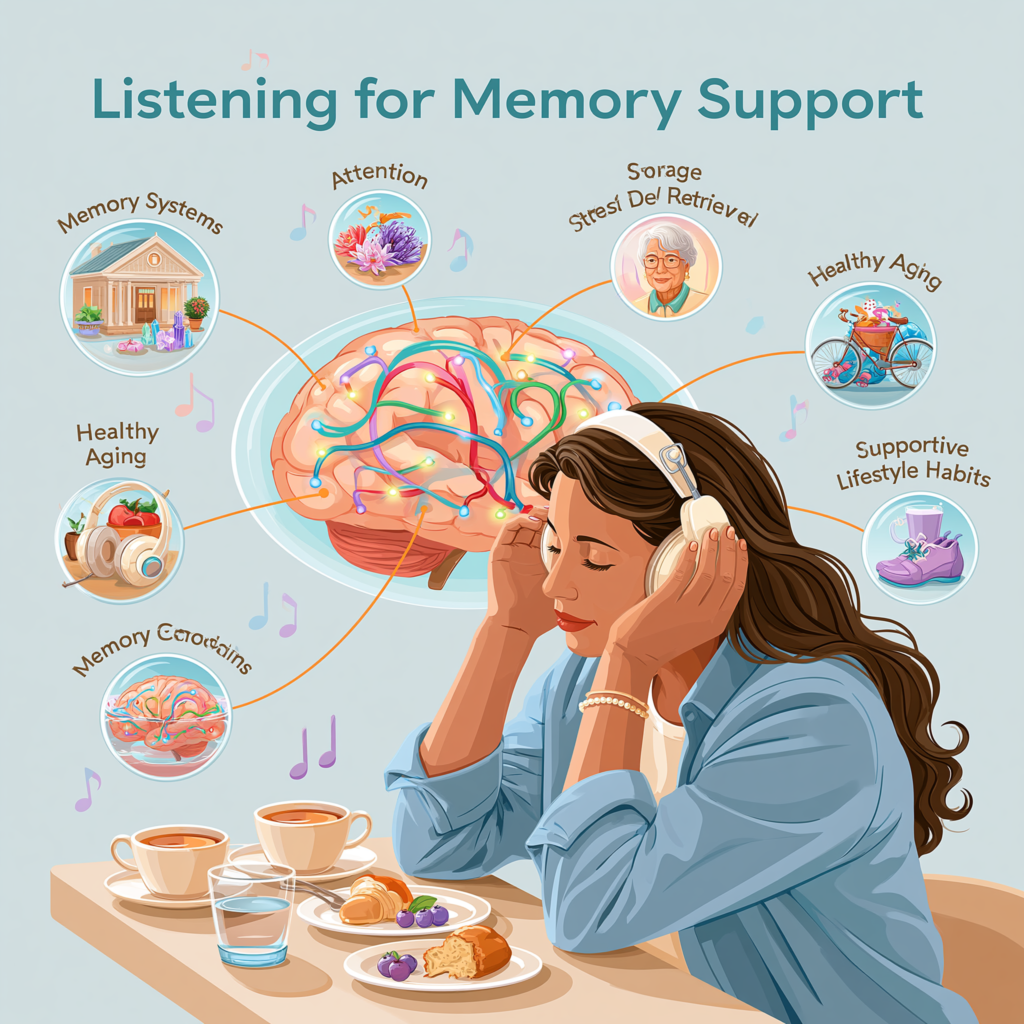
Figure 3. The Brain Song™ Philosophy
The Brain Song™ is built on a simple idea: lasting brain wellness is created through consistent daily habits, not extraordinary promises. Rather than claiming to cure memory problems or instantly sharpen cognition, it encourages people to make time for relaxation, reflection, and mental recovery in an increasingly busy world.
Its philosophy embraces four practical principles:
Support Relaxation
A calm mind is better able to recover from stress and information overload. Gentle audio experiences may help create a peaceful environment for moments of rest.
Encourage Presence
Taking a few minutes to focus on sound and breathing can shift attention away from constant distractions and toward the present moment, supporting mindfulness and emotional balance.
Promote Healthy Routines
Audio wellness works best as part of a broader lifestyle that includes regular sleep, physical activity, balanced nutrition, hydration, and stress management. Small, consistent habits often produce greater long-term benefits than occasional intensive efforts.
espect the Brain as an Interconnected System
Brain function is influenced by sleep quality, metabolism, hormones, circulation, inflammation, physical movement, and social connection. No single practice supports cognitive wellness in isolation. Instead, healthy behaviors work together to create an environment that helps the brain perform at its best.
Building Your Personal Brain Wellness Plan
A sustainable brain wellness plan can be simple and realistic:
- 🎵 Begin the day with a short audio listening session to establish a calm mindset.
- 🚶 Move regularly through walking or light exercise to support circulation and brain function.
- 🥗 Choose nutrient-rich foods that provide steady energy throughout the day.
- 😴 Maintain consistent sleep habits to promote memory consolidation and recovery.
- 📵 Schedule intentional breaks from screens and constant digital stimulation.
- ❤️ Make time for relaxation, creativity, music, and meaningful social connection.
The goal is not to achieve perfect focus every day. The goal is to create a lifestyle that gives the brain repeated opportunities to recover, adapt, and thrive. Over time, these small daily practices can become the foundation of lifelong cognitive wellness, resilience, and healthy aging.
Evidence-Based Resources for Health and Wellness