
Why Muscle Is Your Best Joint Protection System
People often focus on cartilage when discussing joint health.
Yet muscles may be one of the body’s most powerful natural protective systems.
Strong muscles absorb force, stabilize movement, improve balance, and reduce stress placed directly on joints.
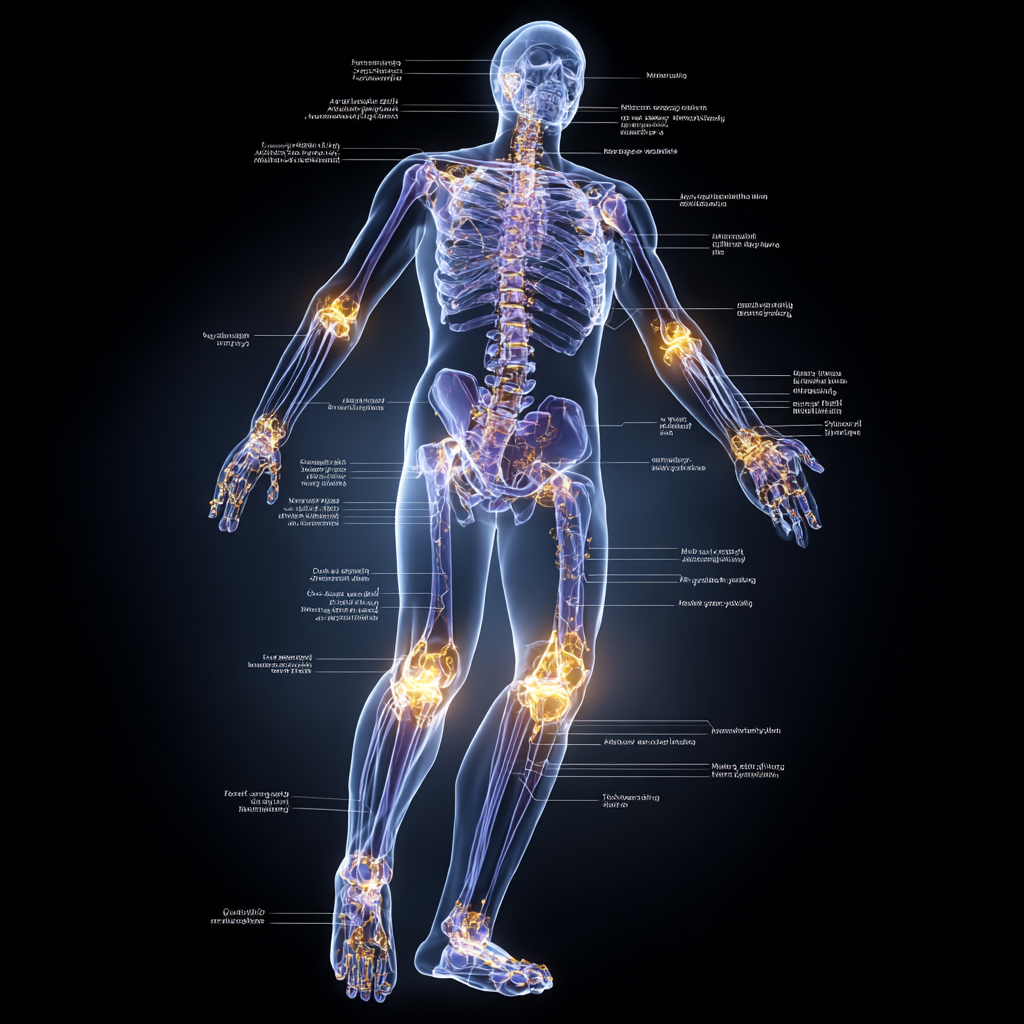
Figure 1. People often focus on cartilage when discussing joint health, but cartilage is only one part of a much larger movement system. Muscles may be one of the body’s most important natural protective mechanisms, helping preserve mobility and reduce everyday stress on the joints.
Every step, lift, and change of direction generates forces that travel through the body. Well-conditioned muscles act as biological shock absorbers, distributing these forces across larger muscle groups instead of concentrating them on cartilage, ligaments, and bones. This reduces mechanical loading while improving joint stability and movement efficiency.
Strong muscles also enhance balance, coordination, and proprioception—the body’s awareness of its position in space.
Better neuromuscular control may lower the risk of falls, awkward movements, and repetitive strain that can contribute to discomfort or injury over time.
Regular resistance training supports more than muscle strength. It helps maintain bone density, improves circulation, enhances metabolic health, and promotes the release of signaling molecules that support tissue repair and healthy aging.
Even moderate strength training performed consistently can contribute to greater functional independence throughout life.
A systems-based view of joint health recognizes that healthy movement depends on the interaction of muscles, tendons, nerves, connective tissue, and the brain—not cartilage alone. Building and preserving muscle through regular physical activity, adequate protein intake, quality sleep, and recovery may be one of the most effective long-term strategies for supporting resilient joints and lifelong mobility.
Muscles as Biological Shock Absorbers
Every step generates force.
Muscles distribute and absorb much of that energy before it reaches cartilage and ligaments.
Weak muscles allow greater mechanical loading on joint surfaces.
Over years, these differences may become significant.
Stability Creates Efficiency
Healthy movement depends on coordinated muscle activation.
For example:
The hips stabilize the knees.
The core stabilizes the spine.
The shoulder blade stabilizes the shoulder.
Weakness in one region may influence movement throughout the body.
Aging and Muscle Loss
Adults naturally lose muscle mass with age if resistance exercise is not maintained.
This process, known as sarcopenia, may contribute to:
- Reduced mobility
- Falls
- Balance problems
- Lower metabolic rate
- Increased joint stress
Fortunately, muscle remains highly adaptable throughout life.
Resistance Training Benefits
Strength training supports:
- Muscle mass
- Bone density
- Joint stability
- Glucose regulation
- Balance
- Functional independence

Figure 2. Resistance Training Benefits
Resistance training is one of the most effective lifestyle strategies for promoting healthy aging and long-term metabolic wellness. Unlike exercise programs focused solely on burning calories, strength training builds the body’s functional reserve, helping people stay active, independent, and resilient throughout life.
Muscle Mass
Regular resistance exercise stimulates muscle protein synthesis, helping preserve and build lean muscle tissue. More muscle supports everyday movement, increases strength, and contributes to a higher resting energy expenditure.
Bone Density
Mechanical loading during strength training encourages bone remodeling and maintenance. Consistent resistance exercise may help support stronger bones and reduce age-related bone loss when combined with adequate nutrition.
Joint Stability
Muscles act as natural shock absorbers around the joints. Stronger muscles improve alignment, reduce excessive joint stress, and enhance movement efficiency, supporting long-term mobility and comfort.
Glucose Regulation
Skeletal muscle is one of the body’s largest glucose-storage tissues. Increasing muscle mass and regularly activating it through resistance exercise can improve insulin sensitivity and support more stable blood sugar regulation.
Balance
Strengthening the legs, core, and stabilizing muscles enhances coordination and postural control. Better balance reduces the risk of falls and supports confidence during daily activities.
Functional Independence
Perhaps the greatest benefit of resistance training is preserving the ability to perform everyday tasks—walking, climbing stairs, carrying groceries, rising from a chair, and maintaining an active lifestyle. These improvements contribute not only to physical health but also to overall quality of life and healthy longevity.
The image illustrates this concept by depicting the human body as an interconnected biological system, where muscles, nutrition, joints, metabolism, and movement work together. Rather than focusing on a single organ or symptom, resistance training strengthens multiple systems simultaneously, making it a foundational pillar of preventive and systems-based health.
Benefits occur across a wide range of ages.
Mobility and Flexibility
Strength alone is not enough.
Healthy joints also require:
- Flexibility
- Coordination
- Range of motion
- Neuromuscular control
Combining strength with mobility exercises creates more efficient movement patterns.
Walking Is Powerful
Walking provides:
- Gentle joint motion
- Blood circulation
- Muscle activation
- Cardiovascular benefits
- Stress reduction
Even daily walking programs may support long-term mobility.
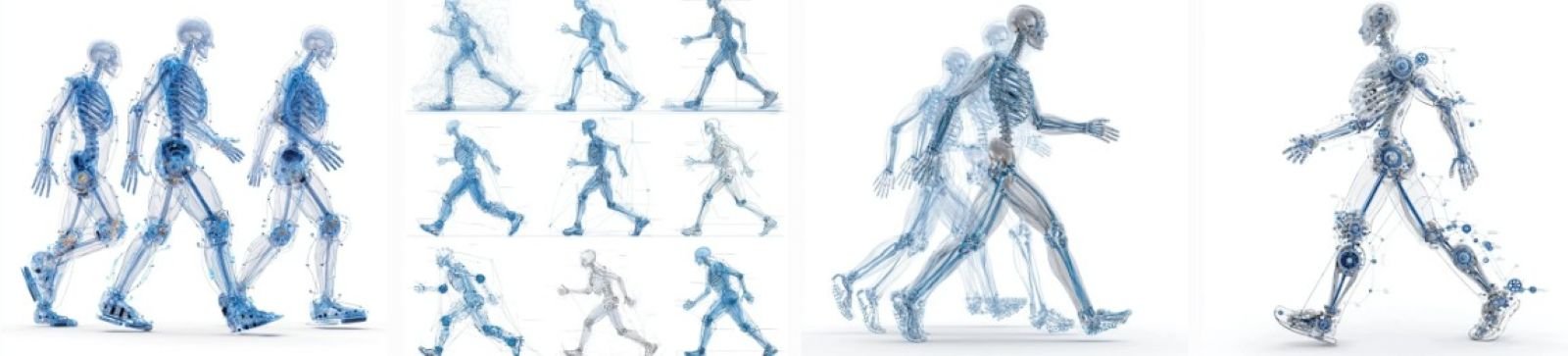
Figure 3. Walking Is Powerful
Walking is one of the simplest and most accessible forms of movement, yet it supports nearly every major system in the human body. Whether performed at a leisurely pace or as brisk daily exercise, consistent walking helps maintain mobility, metabolic health, and overall well-being.
Gentle Joint Motion
Walking promotes natural movement through the hips, knees, ankles, and spine, helping lubricate joints and nourish cartilage through regular motion. This low-impact activity supports flexibility while minimizing excessive stress on the musculoskeletal system.
Blood Circulation
Every step activates the muscles of the legs, which function as a “second heart,” helping pump blood back toward the upper body. Improved circulation delivers oxygen and nutrients to tissues while supporting cardiovascular and vascular health.
Muscle Activation
Walking engages the calves, quadriceps, hamstrings, glutes, core, and postural muscles. Regular walking helps preserve muscle function, improve endurance, and maintain the strength needed for everyday activities and healthy aging.
Cardiovascular Benefits
Consistent walking supports heart and lung function by increasing aerobic capacity, improving blood pressure regulation, and contributing to healthy cholesterol and blood sugar management. Even moderate daily walks can have meaningful long-term health benefits.
Stress Reduction
Rhythmic movement, controlled breathing, and time spent outdoors can help calm the nervous system and reduce stress hormones. Many people find that walking improves mood, mental clarity, creativity, and overall emotional resilience.
The illustration highlights walking as a coordinated whole-body process, where bones, muscles, joints, nerves, and circulation work together in continuous motion. Rather than benefiting a single organ, walking creates a systems-wide response that supports mobility, metabolism, cardiovascular fitness, and long-term functional independence. Small daily walks, repeated consistently, can become one of the most powerful foundations for lifelong health.
Protein and Recovery
Muscle repair requires adequate protein intake.
Combined with exercise, sufficient protein helps maintain muscle quality during aging.
Hydration, sleep, and micronutrients also contribute to recovery.
The Practical Message
Joint protection is not simply about avoiding movement.
Instead, appropriately loading muscles helps create stronger, more resilient movement systems.
Movement performed consistently becomes an investment in future independence.
Start protecting your mobility today — one small step can support stronger joints, better movement, and healthier aging.