
The Future of Natural Hearing Wellness and Preventive Audiology
Building a Long-Term Strategy for Auditory Resilience
The future of hearing care is rapidly evolving. Traditional audiology focused primarily on diagnosing hearing loss and prescribing amplification devices after significant decline occurred. While these tools remain important, a new model is emerging — one centered on prevention, systems medicine, neuroplasticity, and long-term auditory resilience.
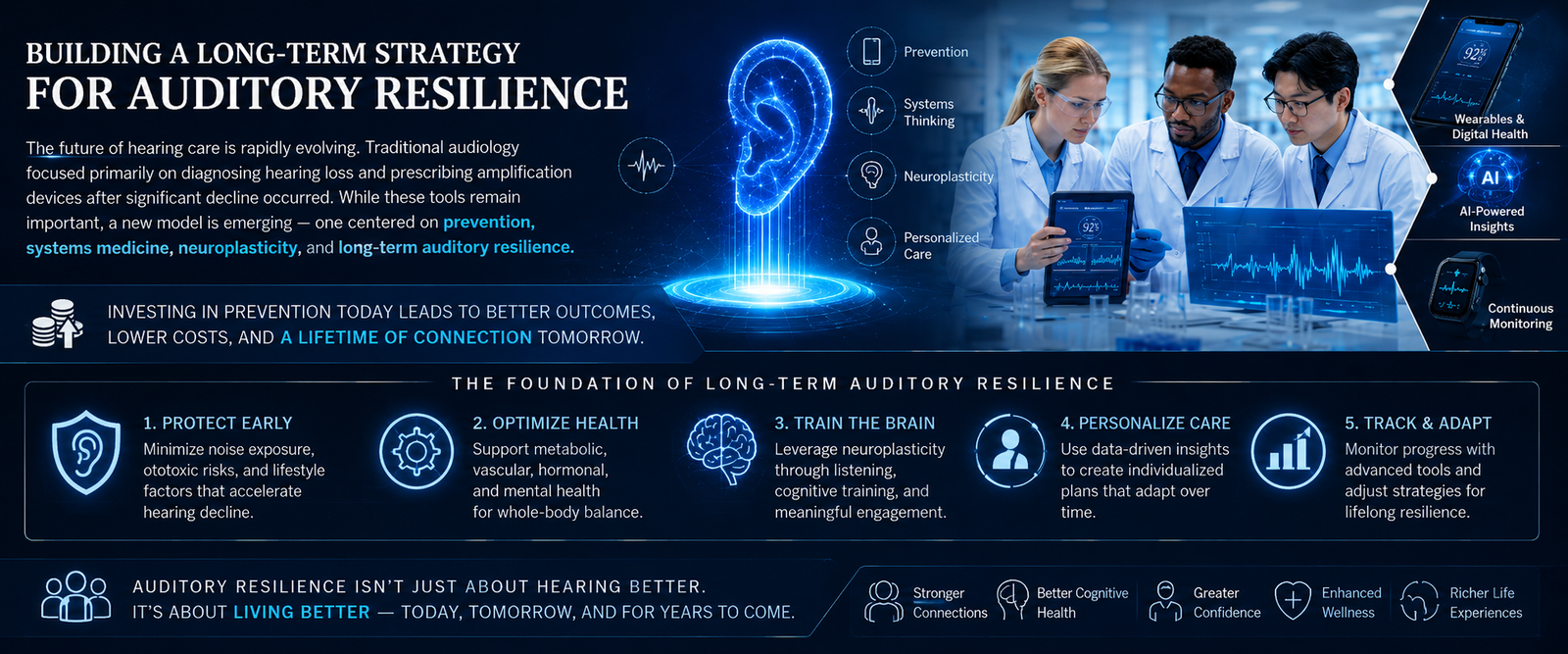
Figure 1. Building a Long-Term Strategy for Auditory Resilience
The future of hearing care is shifting from a reactive model to a proactive one. Traditionally, many people sought help only after noticeable hearing loss had already affected communication and daily life, relying primarily on hearing aids or other amplification devices to restore function.
Today, advances in neuroscience, preventive medicine, and digital health are creating a new vision of auditory wellness—one focused on preserving hearing, supporting brain function, and strengthening long-term auditory resilience.
Rather than viewing the ears as isolated organs, modern systems biology recognizes that hearing depends on an interconnected network involving the auditory system, the brain, circulation, metabolism, hormones, immune regulation, and cognitive health.
A comprehensive hearing strategy may include:
- Early protection by minimizing excessive noise exposure and avoiding unnecessary ototoxic risks.
- Whole-body optimization through healthy nutrition, regular physical activity, quality sleep, stress management, and cardiovascular support.
- Neuroplasticity training using active listening, music engagement, language learning, and cognitive exercises that help maintain strong brain-auditory connections.
- Personalized care supported by biomarkers, hearing assessments, and individual risk factors rather than one-size-fits-all solutions.
- Continuous monitoring with wearable technologies and AI-assisted digital health tools that can identify subtle changes before significant decline occurs.
This prevention-first approach aims not only to preserve hearing sensitivity but also to support communication, memory, balance, emotional well-being, and overall quality of life.
Ultimately, auditory resilience is about much more than hearing sounds clearly. It is about maintaining meaningful conversations, staying socially connected, supporting lifelong cognitive health, and adapting successfully to the natural changes that occur with aging. Small, consistent habits practiced over many years may have a greater impact on long-term hearing wellness than any single intervention, making prevention and systems-based care the foundation of the future of auditory health.
This shift reflects a broader transformation in healthcare itself.
Modern medicine increasingly recognizes that chronic conditions often develop gradually across decades through cumulative lifestyle, environmental, metabolic, inflammatory, and neurological stressors. Hearing decline appears to follow a similar pattern.
Preventive audiology asks a different question:
How can individuals support healthy auditory aging before major dysfunction develops?
This systems-based framework emphasizes protecting the entire auditory ecosystem:
- the ears
- the auditory nerve
- the brain
- circulation
- metabolism
- nervous system regulation
- cognitive health
One of the biggest modern threats to hearing resilience is continuous sound overload. Humans are now exposed to unprecedented levels of artificial noise:
- headphones
- streaming media
- traffic
- aviation
- construction
- entertainment venues
- constant digital stimulation
Unlike previous generations, many people rarely experience true auditory rest.
This has led researchers to explore the concept of “auditory recovery periods.” Just as muscles require recovery after exercise, the auditory system may benefit from periods of lower sensory intensity.
Quiet environments, nature exposure, and balanced soundscapes may help support nervous system restoration.
Nature itself may offer therapeutic benefits. Natural sound environments such as forests, rainfall, ocean waves, and birdsong may reduce sympathetic nervous system activation and promote parasympathetic recovery states.
Stress physiology remains central to hearing wellness. Chronic fight-or-flight activation may heighten auditory sensitivity, worsen tinnitus perception, impair sleep, and increase inflammatory signaling.
Nervous system resilience therefore becomes a cornerstone of preventive hearing care.
Breathing exercises, mindfulness practices, meditation, yoga, walking, and restorative sleep routines may help support autonomic balance.
Technology is also transforming hearing support. Modern hearing systems increasingly incorporate:
- AI sound optimization
- speech enhancement
- adaptive filtering
- personalized auditory profiles
- real-time environmental analysis
- smartphone integration
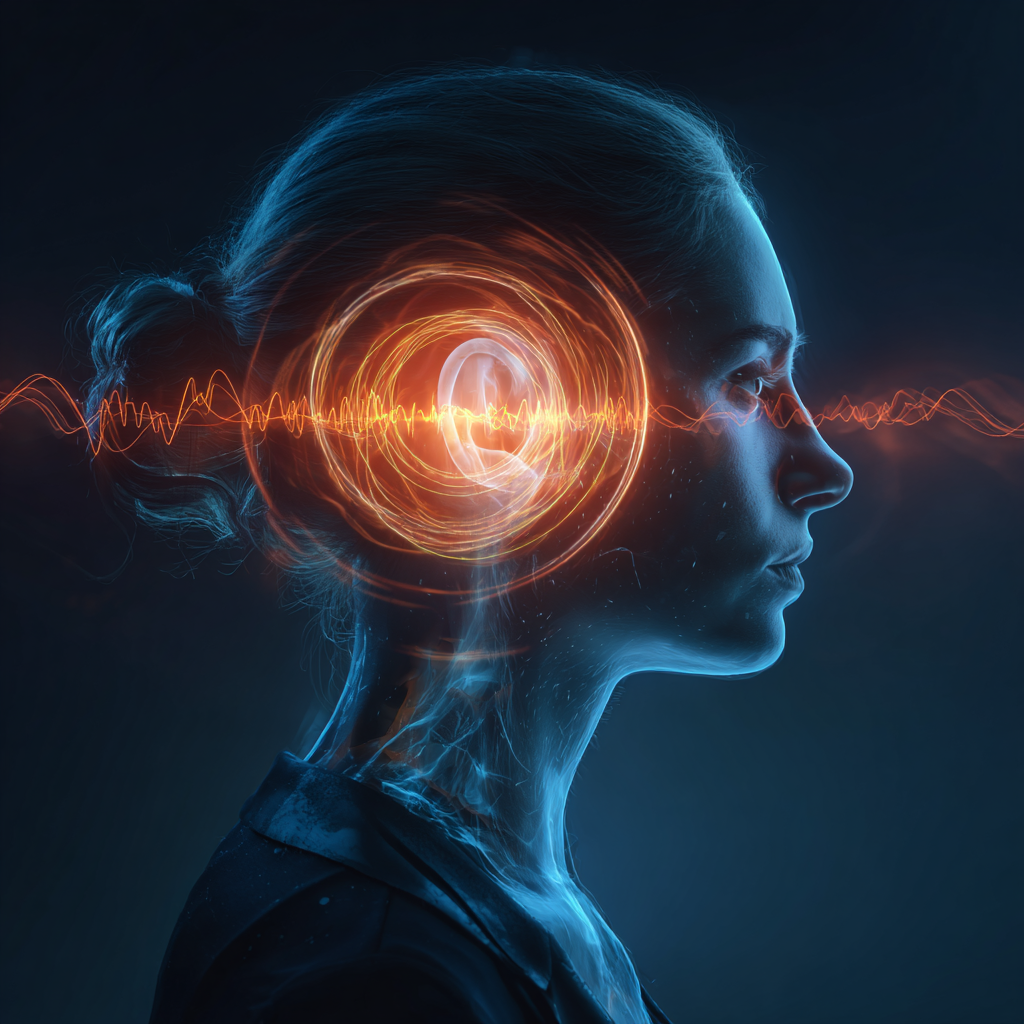
Figure 2. AI and the Future of Personalized Hearing Support
Technology is rapidly reshaping the way people experience hearing care. Modern hearing systems are evolving beyond simple sound amplification, integrating artificial intelligence, digital signal processing, and real-time environmental awareness to create more natural and personalized listening experiences.
AI-powered sound optimization can continuously analyze surrounding acoustic conditions and automatically adjust settings to improve speech clarity while reducing unwanted background noise.
Instead of applying the same amplification in every situation, intelligent algorithms adapt to restaurants, offices, outdoor environments, or quiet conversations within seconds.
Speech enhancement technologies further improve communication by identifying human voices and prioritizing important sounds over competing noise.
This helps many users follow conversations with greater confidence and less listening fatigue.
Adaptive filtering systems dynamically suppress sudden or repetitive noises while preserving the richness and natural quality of speech. As machine learning algorithms improve over time, hearing devices become increasingly capable of recognizing individual listening preferences and common daily environments.
Personalized auditory profiles represent another significant advancement. Modern devices can be calibrated using hearing assessments, lifestyle habits, and listening behaviors, creating customized settings that reflect each user’s unique auditory needs rather than relying on a one-size-fits-all approach.
Real-time environmental analysis allows hearing systems to continuously monitor sound intensity, direction, and frequency characteristics, making seamless adjustments without requiring manual input. Many devices also integrate with smartphones and wearable technologies, enabling users to control settings, stream calls and media, monitor hearing performance, and receive software updates through dedicated mobile applications.
Together, these innovations reflect a broader shift toward precision hearing care—combining AI, neuroscience, and digital health to support not only better hearing but also improved communication, cognitive engagement, and long-term auditory resilience throughout the aging process.
Future hearing technologies may eventually integrate biometric monitoring, cognitive support, and predictive auditory analytics.
Precision hearing medicine may also expand through:
- genetic insights
- inflammatory biomarkers
- vascular assessment
- auditory brain imaging
- personalized sound therapy
- neuroplasticity training
At the same time, public health prevention remains essential.
Simple daily strategies may support long-term hearing resilience:
- protect hearing in loud environments
- moderate headphone volume
- prioritize sleep
- support cardiovascular health
- maintain metabolic stability
- exercise regularly
- reduce smoking exposure
- manage stress
- eat anti-inflammatory foods
- remain socially and cognitively engaged
Small behaviors repeated consistently across decades may profoundly influence sensory aging trajectories.
Healthy hearing also supports emotional wellbeing. Sound connects humans to:
- family
- music
- language
- storytelling
- safety
- learning
- intimacy
- memory
Protecting hearing is therefore about preserving human connection itself.
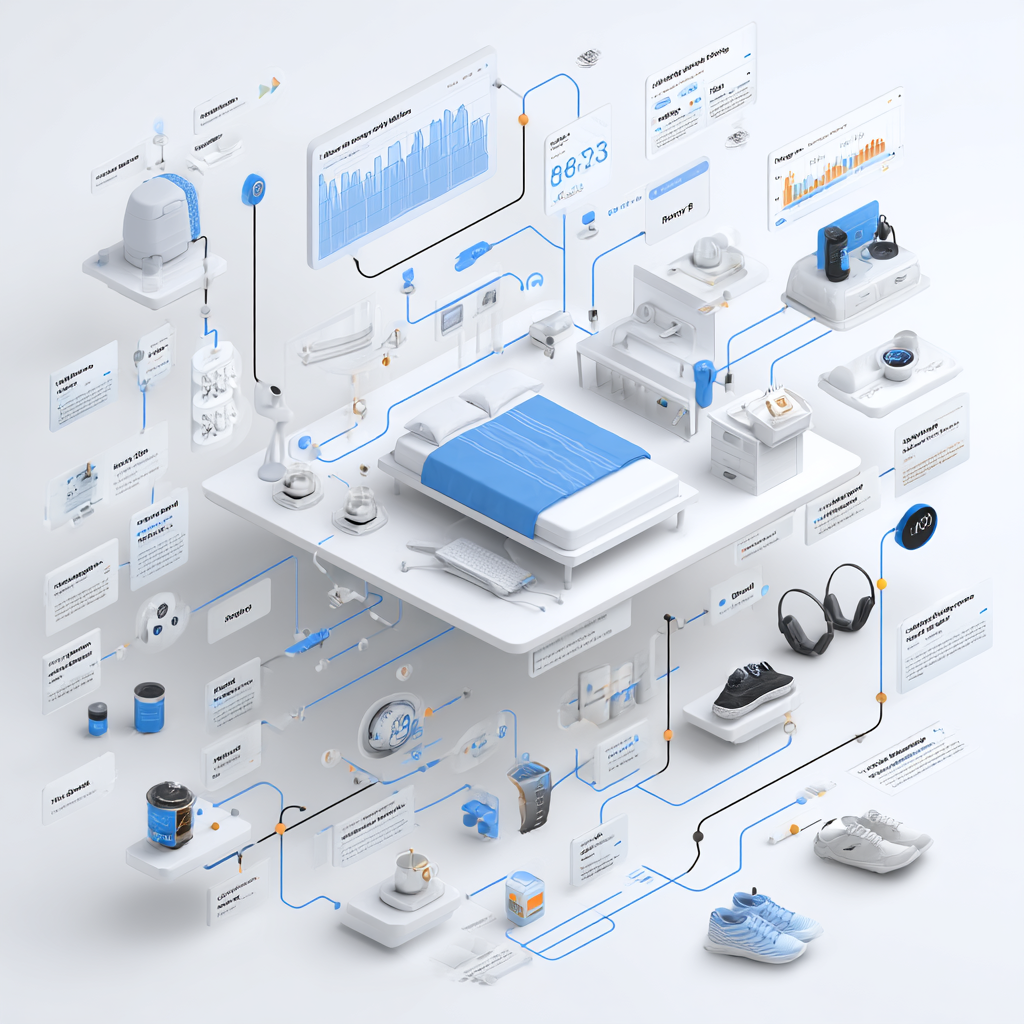
Figure 3. Hearing, Connection, and Human Wellbeing
Healthy hearing is about far more than detecting sound. It is one of the foundations of human connection, allowing people to communicate, learn, build relationships, and participate fully in everyday life. Every conversation, melody, and shared experience strengthens the bonds that connect us to others and to the world around us.
Sound enriches many essential aspects of life:
- Family – Hearing a loved one’s voice creates comfort, trust, and emotional closeness across every stage of life.
- Music – Rhythm and melody stimulate multiple brain networks, supporting emotional expression, creativity, and memory.
- Language – Clear hearing enables effective communication, social participation, and lifelong learning.
- Storytelling – Conversations and shared stories preserve culture, knowledge, and personal identity across generations.
- Safety – Recognizing alarms, traffic, approaching vehicles, and emergency signals helps protect health and independence.
- Learning – Students and adults alike depend on accurate auditory input for education, professional development, and cognitive growth.
- Intimacy – Whispered conversations, laughter, and everyday interactions strengthen relationships and reduce feelings of isolation.
- Memory – Auditory experiences activate brain regions involved in attention, emotion, and long-term memory formation.
Modern research increasingly recognizes that hearing health is closely linked with cognitive function, emotional wellbeing, and social engagement. Untreated hearing difficulties may contribute to communication challenges, loneliness, listening fatigue, and reduced quality of life, while maintaining healthy hearing supports active participation in family, work, and community activities.
Protecting hearing therefore extends beyond preserving the ability to hear sounds—it is an investment in lifelong relationships, mental resilience, independence, and overall wellbeing. Through healthy lifestyle habits, preventive care, appropriate hearing protection, and advances in personalized technology, individuals can help maintain the connections that make life meaningful and continue engaging with the voices, music, and moments that define the human experience.
The future of auditory health will likely become increasingly interdisciplinary:
- audiology
- neuroscience
- longevity medicine
- nutrition science
- preventive medicine
- AI healthcare
- behavioral medicine
- systems biology
The Hearing Support Blueprint represents this broader vision — a future in which hearing wellness is not viewed as an isolated sensory issue, but as part of lifelong human vitality.
Auditory longevity is ultimately about staying connected to the world, to other people, and to the experiences that give life meaning.